
I Kept Telling Myself I Was Fine Until I Couldn’t Anymore
Ignoring the truth was easier than admitting how unhappy I had become.
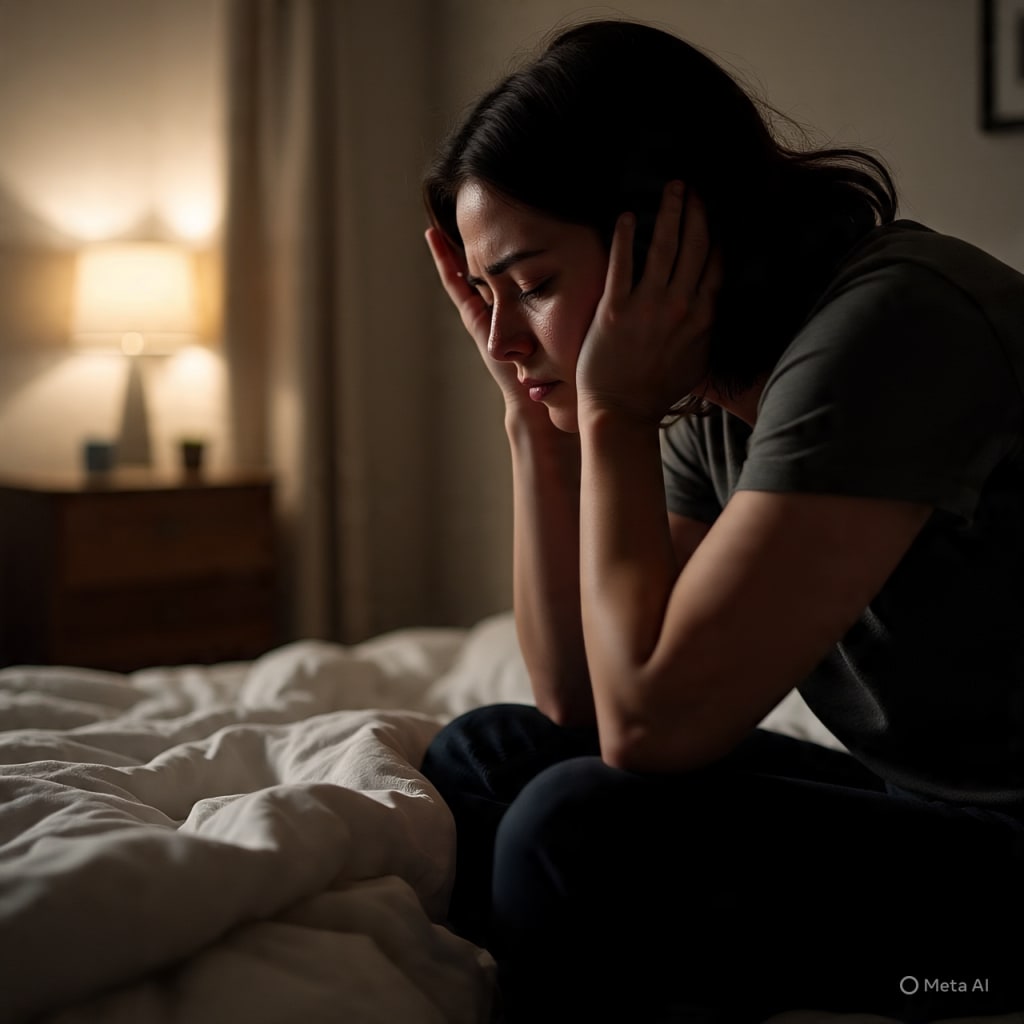
By: Tazamain Khan
For a long time, I told myself I was fine.
Not great. Not happy. Just fine. And somehow, that felt acceptable. I thought as long as I was functioning—showing up, doing what was expected, keeping things together—I didn’t need to question how I really felt.
That lie carried me for years.
On the surface, nothing looked wrong. My life wasn’t falling apart. I wasn’t in constant crisis. There was no single dramatic problem I could point to. That made it easy to ignore the quiet dissatisfaction growing inside me.
I told myself other people had it worse.
I told myself I should be grateful.
I told myself feeling empty was just part of being an adult.
So I stayed quiet and kept going.
Every time something bothered me, I brushed it off. Every time I felt overwhelmed, I minimized it. I learned how to explain away my own discomfort so well that I stopped recognizing it as a warning sign.
I didn’t realize that “fine” had become a place where I was slowly suffocating.
Days started blending together. I woke up tired, went through the motions, and went to sleep feeling like I hadn’t actually lived the day. I kept waiting for motivation to return, for clarity to arrive, for something to change.
Nothing did.
The more I ignored how I felt, the heavier everything became. Small problems felt exhausting. Decisions felt overwhelming. I was constantly tense, but I couldn’t explain why. I wasn’t unhappy enough to make changes, but I wasn’t content enough to feel at peace.
I existed in between.
What scared me most was how normal it all felt. This wasn’t a breakdown. It was a slow fade. And because it happened gradually, I didn’t notice how disconnected I had become from myself.
I stopped asking what I wanted.
I stopped trusting my instincts.
I stopped believing my feelings deserved attention.
Instead, I focused on being “reasonable.”
Be patient.
Be understanding.
Don’t overreact.
Don’t complain.
I had convinced myself that emotional restraint was maturity. In reality, it was avoidance.
The turning point wasn’t dramatic. There was no single moment where everything collapsed. It happened quietly, one evening when I realized I couldn’t remember the last time I felt genuinely excited about my own life.
That realization hurt.
It forced me to admit something I had been avoiding: I wasn’t okay. And I hadn’t been for a long time. I had just become very good at pretending.
Once I acknowledged that, everything shifted.
I started noticing how often I dismissed my own needs. How quickly I talked myself out of rest. How easily I accepted situations that drained me because they were familiar and safe.
I realized I had been choosing comfort over honesty.
Being “fine” required less courage than being truthful. It allowed me to stay in the same place without making difficult decisions. It protected me from conflict, but it also protected me from growth.
Letting go of that lie wasn’t easy.
At first, being honest with myself felt unsettling. I didn’t immediately know what I wanted or what needed to change. All I knew was that I couldn’t keep living on autopilot and expect things to feel different.
So I started small.
I paid attention to what drained me and what gave me energy. I stopped forcing myself to tolerate things that left me resentful. I allowed myself to admit when something wasn’t working, even if I didn’t yet know the solution.
That honesty felt uncomfortable—but also relieving.
I learned that ignoring your feelings doesn’t make you strong. It just makes you disconnected. I learned that being functional is not the same as being fulfilled. And I learned that you don’t need a dramatic breakdown to justify changing your life.
Sometimes, quiet unhappiness is reason enough.
This is my confession:
I wasn’t fine.
I was avoiding myself.
I was surviving instead of living.
If you’re reading this and you keep telling yourself you’re “okay” while feeling empty, restless, or numb, I want you to pause. Ask yourself whether “fine” is truly enough—or just familiar.
You don’t need to have everything figured out.
You don’t need permission to feel differently.
You don’t need to wait until things fall apart.
Listening to yourself before it’s too late might be the most important decision you ever make.
About the Creator
Keep reading
More stories from Tazamain Jan and writers in Confessions and other communities.
The Day a Broken Street Taught the World How to Care
The street was broken long before the people noticed it. Cracks ran through the pavement like old scars, streetlights flickered as if tired of trying, and abandoned buildings stood silently, watching life pass by. Most people crossed that street quickly, heads down, eyes fixed on somewhere else. It was easier that way. Easier not to see the pain that lived there.
By Tazamain Janabout a month ago in Humans
The Piggy Project
I’ve had so many names in this life I lose track of which ones were ever really mine and which ones I wore because someone needed me to. Some were handed to me before I had words to refuse them, before I knew what they meant, before I knew I could say no. Most weren’t meant to hurt. That doesn’t mean they didn’t leave marks. Marks that told me who I belong to, who I am by way of who claims me, recognizes me in the good and bad, who walks beside me.
By Fatal Serendipity5 days ago in Confessions
An Open Letter to Rachel Dolezal
Dear Miss Dolezal, My beautiful black queen! How are you? I’ve noticed you’ve taken on a new look. You wear it well. With comparisons to Beyoncé, it is remarkable how you transformed yourself from media circus to established sex instructor. Bravo!
By Skyler Saunders4 days ago in Confessions




Comments (1)
Nice