
INFLATION IN THE WORLD
SKYROCKETING INCREASE IN PRICES
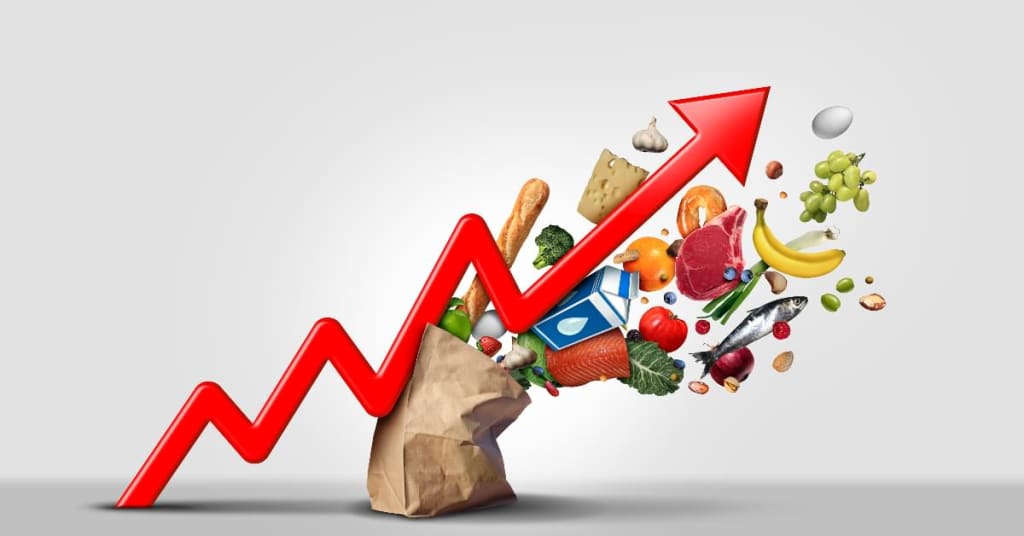
Inflation refers to the increase in the price of goods and services over time, leading to a decrease in the purchasing power of money. Inflation has been a global phenomenon for centuries, and it can have significant impacts on individuals, businesses, and entire economies.
In recent years, inflation has been a hot topic around the world. Several countries have seen inflation rates rise above their targeted levels, causing concern among policymakers and citizens alike. In this article, we will explore the causes of inflation, its effects, and how governments are responding to this issue.
Causes of Inflation
There are several factors that can contribute to inflation. One of the primary causes is an increase in the money supply. When a central bank prints more money, it leads to an increase in the amount of money in circulation, which can lead to higher prices. This is because the increased money supply can make it easier for people to buy goods and services, leading to increased demand and higher prices.
Another factor that can contribute to inflation is supply chain disruptions. For example, if there is a shortage of a particular commodity, such as oil, it can lead to higher prices for that commodity and other goods and services that rely on it. This is because the shortage can cause a decrease in supply, leading to increased demand and higher prices.
Inflation can also be caused by changes in consumer behavior. For example, if consumers start to hoard goods, it can lead to shortages and higher prices. Similarly, if consumers start to expect higher prices in the future, they may be willing to pay more for goods and services now, leading to increased prices.
Effects of Inflation
Inflation can have several effects on individuals, businesses, and entire economies. One of the primary effects is a decrease in the purchasing power of money. This means that individuals and businesses can buy fewer goods and services with the same amount of money, leading to a decrease in their standard of living.
Inflation can also lead to increased uncertainty and volatility in financial markets. This can make it difficult for businesses to plan for the future and can lead to a decrease in investment and economic growth.
Finally, inflation can lead to social and political unrest. This is because inflation can lead to a decrease in the standard of living for many individuals, which can lead to dissatisfaction and unrest. In extreme cases, inflation can even lead to hyperinflation, which can have severe economic and social consequences.
Government Responses to Inflation
Governments around the world have taken several steps to try to combat inflation. One of the primary tools used by governments is monetary policy. This involves setting interest rates and controlling the money supply to try to keep inflation under control.
Another tool used by governments is fiscal policy. This involves changes to government spending and taxation policies to try to stimulate or cool down the economy. For example, if the economy is experiencing high inflation, the government may decrease spending or increase taxes to reduce demand and lower prices.
Finally, some governments have implemented price controls to try to keep prices from rising too quickly. However, price controls can have unintended consequences, such as shortages and reduced quality of goods and services.
Conclusion
Inflation is a complex issue that can have significant impacts on individuals, businesses, and entire economies. While there are several factors that can contribute to inflation, governments have several tools at their disposal to try to keep inflation under control. However, the effectiveness of these tools can vary, and it is essential for policymakers to carefully consider the potential consequences of their actions.
About the Creator
Abdul Rehman
I am 15-year-old boy who is passionate about making money.
Keep reading
More stories from writers in Confessions and other communities.
Thoughts on Vocal and the way the world is
"Death cannot stop true love, only delay it." – Wesley in The Princess Bride. I decided to come back to Vocal on a very cold and dark night at the end of December. I had been, and still am, convalescing from a horrible staph infection that had gone misdiagnosed for months. This, paired with the increasing challenges of being healthy, making the best choices for my co-parented child, being a wife, and being a director at a new job, was a lot to manage.
By Jazzy 9 days ago in Confessions
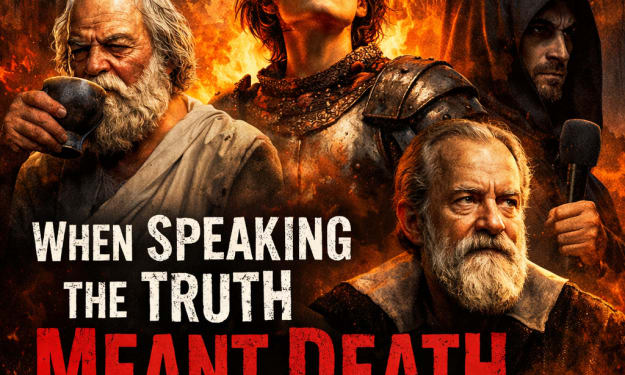
When Speaking the Truth Meant Death
Throughout history, truth has rarely been neutral. It has threatened kings, embarrassed empires, exposed religious authority, and shaken political systems built on fear and illusion. For many who dared to speak it aloud, truth was not rewarded with recognition—but with exile, imprisonment, or death.
By Aiman Shahid2 days ago in Confessions
🅼🅸🅳🅽🅸🅶🅷🆃 🆂🅽🅰🅲🅺🆂
"It's 10 in Tuscon! We all know what that means... It's Time for Midnight Snacks with your man, Gerald Gee! Ready to spend the night together? Me too! I'm full of snacks and can't wait to regurgitate them all back into your hungry ears. Crack a brew! Pop some corn! Anything to get ready for one hell of a show where the talk maybe cheap but the words cut deep...
By Lamar Wiggins5 days ago in Fiction



Comments
There are no comments for this story
Be the first to respond and start the conversation.