
I Pretended to Be Happy for Years—Here’s What Really Happened When I Stopped
Wearing a smile was easier than facing the truth

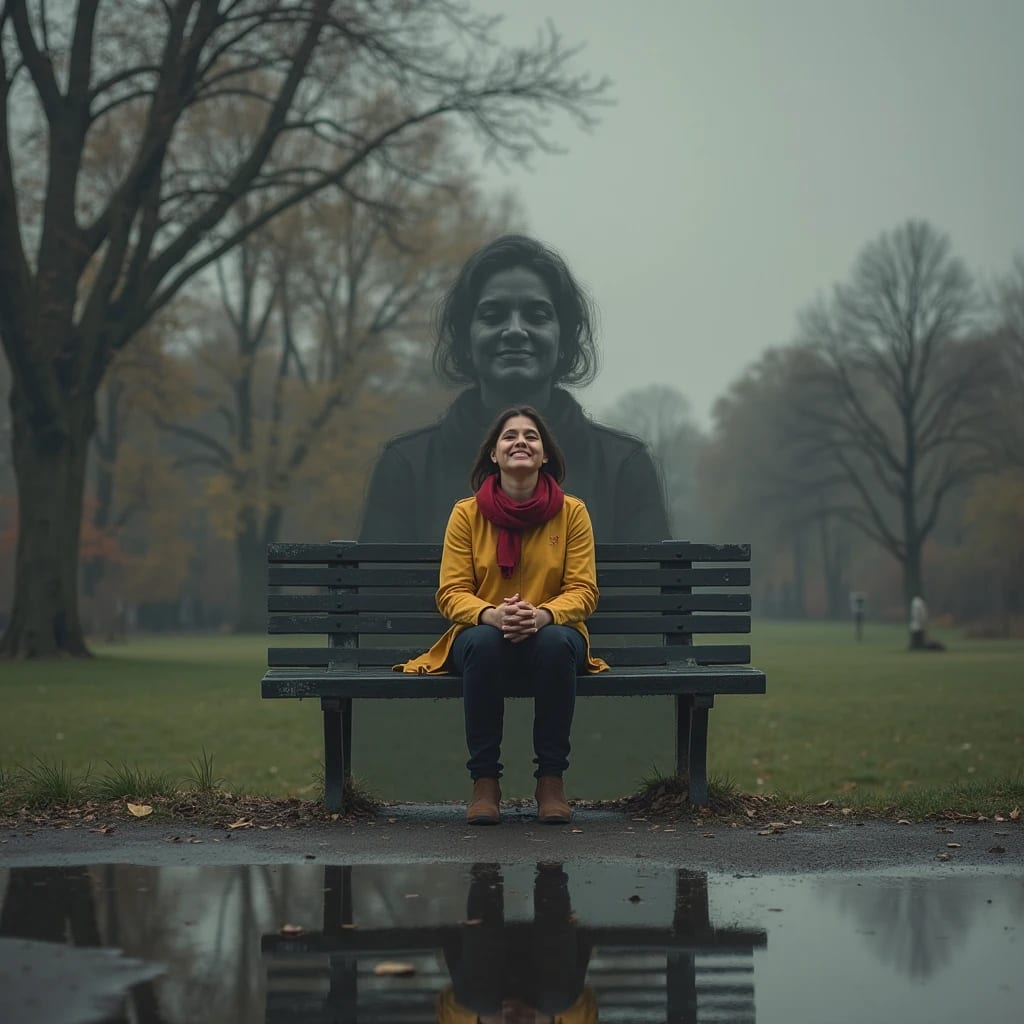
For years, I was the “happy one.”
The one who made jokes at family gatherings.
The one who said, “I’m fine!” even when I wasn’t.
The one who showed up smiling to every event, party, and workplace meeting—even when the weight of the world was pressing down on my chest.
I had mastered the art of appearing okay.
And the truth? That mask of happiness? It was exhausting.
At first, it started small. I’d hide my frustrations behind humor. I’d swallow disappointment and turn it into sarcasm. I’d cry in the bathroom at night, then show up to work the next day with a fresh shirt and a stale smile.
People called me strong. Resilient. Positive.
They had no idea I was barely holding myself together.
The act started back in college. I had just lost a close friend in a tragic accident. The grief was sharp and sudden, but I didn’t know how to process it—so I didn’t. Instead, I distracted myself. I smiled through the pain and dove into helping others. I became the “therapist friend.” Always available. Always listening. Always “doing great.”
But behind closed doors, I was unraveling.
There’s something incredibly lonely about pretending to be okay when you're not. You become invisible—not because people don’t care, but because you’ve trained them to believe you never need help.
And the scariest part? I started believing it too.
Years went by. I built a decent life. A stable job, polite colleagues, weekend plans, Instagram-worthy moments. From the outside, everything looked normal. I was functioning.
But inside, I felt like a shell.
Every day was a performance. Wake up, smile, survive, repeat. I ignored the signs—chronic fatigue, overthinking, numbness. I kept pushing, thinking it was just a “rough patch.”
Then came the breaking point.
One evening, I was sitting at dinner with friends. Someone made a light joke about mental health—about how "some people are too sensitive." Everyone laughed. I laughed too.
But something inside me snapped.
I went home that night and cried for three hours straight.
Not the kind of cry you can control. Not the kind you can explain.
It was a silent, shaking, snot-on-your-shirt kind of cry. Years of grief, exhaustion, and denial pouring out in waves I couldn’t stop.
That was the moment I realized:
I wasn’t okay.
And I hadn’t been for a very long time.
The next morning, I did something I had never done before.
I called in sick—not because I had a fever, but because I finally accepted I was mentally and emotionally drained.
Then, I called a therapist.
Just saying the words “I need help” made my chest feel lighter. It was terrifying and freeing all at once.
That first session was awkward. I didn’t know where to start. I talked about work, stress, my friend’s death, family pressure, everything except how I really felt.
But my therapist was patient. Gentle. She didn’t rush me. She just listened.
Week by week, I started peeling off the layers.
I talked about how I always felt responsible for everyone’s happiness. How I feared being a burden. How pretending to be happy had become my survival strategy—one that no longer served me.
It was during one of those sessions that she said something that stuck with me:
“Pretending to be okay robs you of the chance to be truly seen. And you deserve to be seen.”
That sentence broke something open inside me.
So I stopped pretending.
Not all at once. But little by little.
I started answering “How are you?” honestly—with friends I trusted. I began writing down my thoughts, uncensored, messy, real. I gave myself permission to feel sadness, anger, loneliness—emotions I used to bury beneath forced smiles.
And surprisingly, the world didn’t fall apart.
In fact, some of the people I feared would pull away actually leaned in closer.
They said things like, “I had no idea you were going through that.”
And, “Me too.”
Turns out, we’re all just waiting for someone else to be real first.
Today, I still have bad days. I still get anxious. I still wrestle with the urge to slap on a smile and “fake it.” But I fight that urge.
Because now, I know better.
Happiness isn’t a constant state. It’s not a mask you wear—it’s a moment you earn by living honestly, even through the hard stuff.
I don’t pretend to be happy anymore.
I aim to be authentic. To be whole. To be seen.
Because real connection only happens when we’re brave enough to be real.
And the truth is: being real is the most freeing thing I’ve ever done.
About the Creator
Muhammad Sabeel
I write not for silence, but for the echo—where mystery lingers, hearts awaken, and every story dares to leave a mark
Keep reading
More stories from Muhammad Sabeel and writers in Confessions and other communities.
The Letter She Never Read
When we bought the house, it was more of a ruin than a residence. The real estate agent called it “charmingly historic.” My wife, always the dreamer, called it “full of potential.” I called it a money pit. The wood groaned under our feet, the wallpaper peeled like sunburnt skin, and the fireplace hadn’t seen fire since someone danced the Charleston in the living room.
By Muhammad Sabeel8 months ago in Confessions
I Didn’t Realize I Was Ruining My Own Life Until It Was Almost Too Late
By: Tazamain Khan For a long time, I believed I was doing exactly what I was supposed to do. I stayed busy, pushed myself hard, and ignored anything that felt uncomfortable. I told myself that stress was normal, exhaustion was temporary, and success would eventually make it all worth it.
By Tazamain khan 5 days ago in Confessions
So You Decided To Become a Nurse Practitioner:
So you decided to become an "Advanced Practice" nurse. Congratulations!... is what I would say if this was a good idea. Grad school? In this economy? What were you thinking? Likely it was something along the lines of either 1) “I've seen these other chucklefucks do it— Why can't I?” or even 2) “I've got a nice career, I should shake it up. I miss feeling like I have no clue what I'm doing.”
By Sandor Szaboa day ago in Fiction



Comments (1)
I can really relate to this. I've been there, putting on a happy face even when I felt like crap. Hiding my true feelings behind jokes and false smiles. It's so exhausting. I also had a similar experience in college after a tough loss. I tried to be the strong one, but it took a toll. It's scary how easy it is to get stuck in that cycle. How did you finally break free from that constant act?