
I Am Not What I Survived
"My Scars Tell a Story—But They Don’t Define Me"

I never liked mirrors.
Even as a child, I’d stare into them with a strange unease, as if they knew something I didn’t. Over the years, they began to whisper louder. By the time I was twenty, the woman staring back at me was someone I barely recognized — eyes shadowed with pain, shoulders curled inward from carrying things I never asked for.
I had survived, yes. But I had become a museum of scars, some visible, many not.
The night it all changed, I was sitting alone in my one-bedroom apartment — a space that once symbolized independence but now echoed isolation. The walls were too quiet. The silence was no longer peaceful; it was heavy. Even my thoughts felt too loud, looping the same questions:
Why did this happen to me? Why couldn’t I just be normal?
Trauma has a way of rewriting your story without permission. It doesn’t knock on your door politely. It crashes in, uninvited, and reorders everything — your sense of safety, your relationships, your identity.
For me, it came in layers. Childhood abandonment. Emotional abuse. A relationship that stripped me down to bones and fear. And even after I escaped those people, they lived inside me.
For the longest time, I thought survival was the end of the story.
I was wrong.
Healing didn’t begin in a therapist’s office or at a support group. It began one quiet morning with a choice — not a grand, sweeping decision, but a whisper of rebellion:
I don’t want to carry this anymore.
I started small.
I walked. Not for exercise, not to lose weight. I walked to remind myself I still had a body. That I still existed in the world, even when I felt invisible. One block. Then two. I learned the trees on my street changed with the seasons, even if I didn’t.
Then I wrote. Not poetry. Not essays. Just words. Raw, messy, incoherent at first. Anger poured out of me like water that had been boiling for too long. Sometimes I cried while writing, not because I was sad, but because I was finally being heard — even if the listener was just a journal.
One night, I stared into the mirror again. But this time, I didn’t turn away.
I looked at my own reflection — pale skin, dark under-eyes, a faint scar under my lip — and I whispered, “I’m still here.”
It felt like a prayer.
People often think healing is a straight line, or a checklist. It’s not. It's messy. Some days, I felt like I had conquered the past. Other days, it swallowed me whole. There were triggers I didn’t expect — a song, a smell, a phrase that sent me spiraling. But each time, I returned.
To myself.
To the version of me that wasn’t defined by what I’d been through.
You see, the world loves a good survival story. The brave escape. The triumphant return. But what they rarely talk about is what happens after. How do you learn to live, when all you’ve ever done is survive?
It wasn’t until I met Lena that I began to answer that.
She was my coworker. Kind eyes, unapologetic laugh. The kind of person who made the room feel warmer just by existing in it. I kept my distance at first. I didn’t trust warmth. Warmth, in my experience, was always followed by coldness.
But Lena didn’t push. She didn’t ask intrusive questions. She just invited me to coffee one day, and when I hesitated, she smiled and said, “No pressure. But I think you might like the raspberry croissant.”
It was the first time in years someone offered me something without expecting something back.
One coffee turned into weekly lunches. Lunches turned into long talks about nothing and everything. Eventually, I told her parts of my story — not all of it, but enough to reveal my shadows.
She didn’t flinch. She didn’t try to fix me. She just listened, and then said something I’ll never forget:
“You are not what happened to you. You’re what you choose to become next.”
That night, I went home and cried. Not out of pain, but from the release of something I didn’t realize I was still holding — shame.
I had survived abandonment, betrayal, loss, and fear. But that wasn’t my identity. That wasn’t the whole of me. I was also kind. I was also funny, in my quiet way. I loved books and thunderstorms and blueberry jam. I had the ability to rebuild, even if the pieces were jagged.
I started to volunteer at a local women’s shelter. Not because I had it all figured out, but because I finally realized — healing becomes lighter when it’s shared.
Some days, I simply sat and listened. Sometimes, I offered a story. Not the one about the trauma, but the one about the walk I took yesterday, where the leaves looked like fire and the air smelled like cinnamon.
And sometimes, that was enough.
To remind someone else they were still alive.
To remind myself I was still becoming.
Years have passed now. The woman I see in the mirror isn’t a stranger anymore. She still has shadows, but they no longer own her. She laughs more easily. She trusts a little more. She walks with her shoulders back.
She no longer whispers “I’m still here.”
She says it aloud.
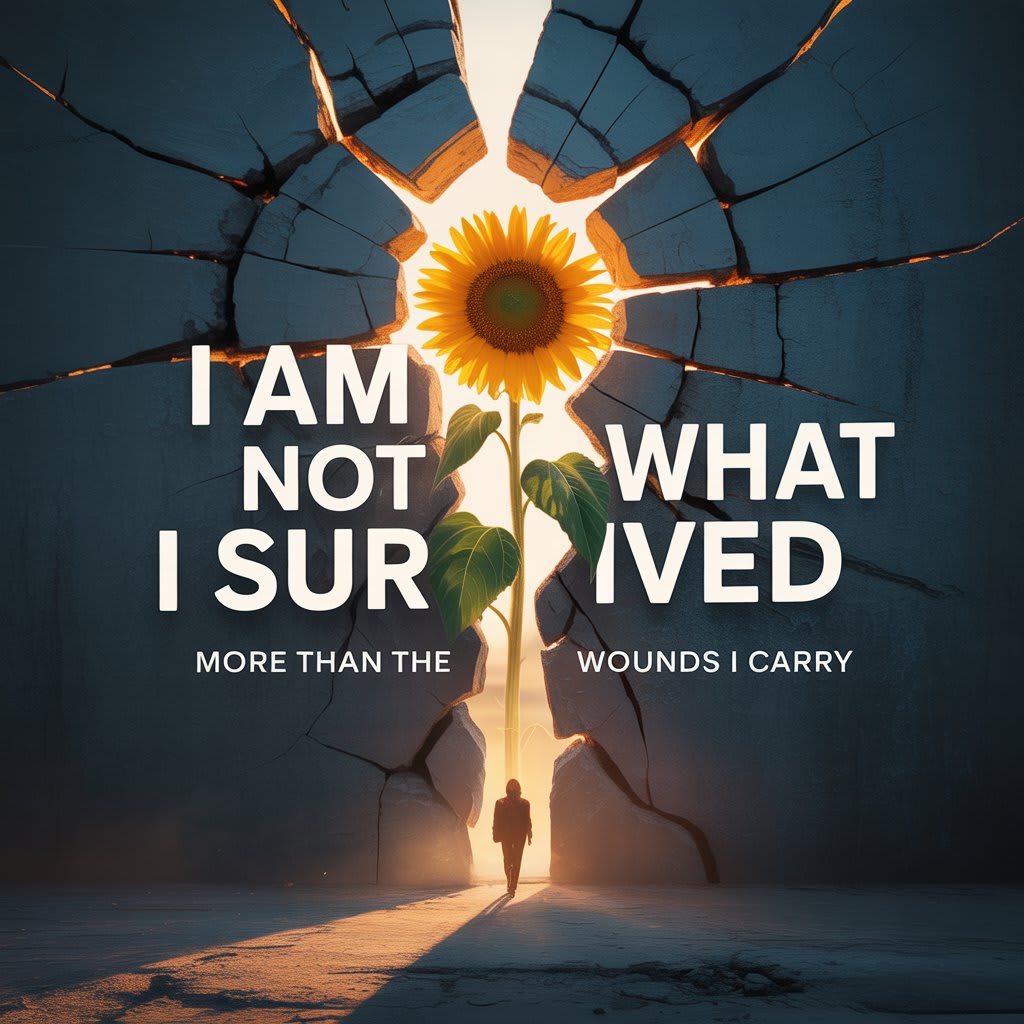
I am not what I survived.
I am not the silence I endured.
I am not the hands that hurt me.
I am not the nights I cried myself to sleep.
I am not the fear, the guilt, or the shame.
I am the choice to keep living.
I am the voice that says no more.
I am the soft yes to love, to light, to beginning again.
I am becoming.
And I am finally — finally — free.
About the Creator
Muhammad Tayyab
Story Creator
Keep reading
More stories from Muhammad Tayyab and writers in Confessions and other communities.
Loving You in Secret
They met in the quiet corner of a crowded café, where the world outside seemed to rush past like a distant storm. Amid the chatter and clinking of coffee cups, there was a stillness only they could feel — a connection woven in silence before a single word was spoken.
By Muhammad Tayyab6 months ago in Confessions
Thoughts on Vocal and the way the world is
"Death cannot stop true love, only delay it." – Wesley in The Princess Bride. I decided to come back to Vocal on a very cold and dark night at the end of December. I had been, and still am, convalescing from a horrible staph infection that had gone misdiagnosed for months. This, paired with the increasing challenges of being healthy, making the best choices for my co-parented child, being a wife, and being a director at a new job, was a lot to manage.
By Jazzy 3 days ago in Confessions
The Power of Saying No
For many of us, the word no feels heavier than it should. It carries guilt, fear, and the uncomfortable possibility of disappointing others. From childhood, we are taught to be polite, agreeable, and accommodating. We learn that saying yes makes us likable, helpful, and valued. Over time, this habit becomes so deeply rooted that we start prioritizing everyone else’s needs over our own.
By Aiman Shahid2 days ago in Confessions



Comments
There are no comments for this story
Be the first to respond and start the conversation.