
"Generation Z and the Crisis of Democratic Faith in Europe
Youth Discontent, Political Drift, and the Future of European Governance An Analysis of Rising Disillusionment With Democracy Across Europe How Economic Insecurity and Institutional Distrust Shape Young Voters

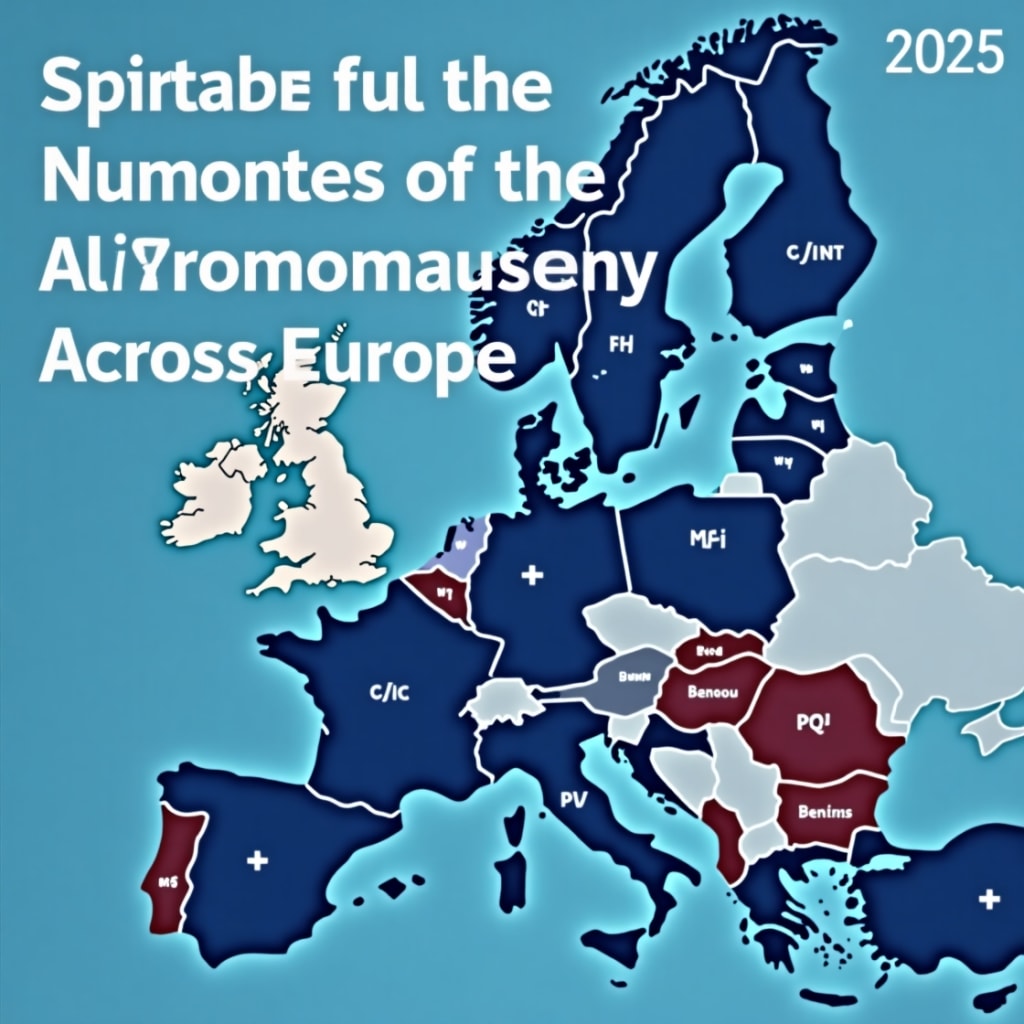
Generation Disillusioned: The Democratic Crisis Among Europe’s Youth
Written by: Huzaifa Khan
Introduction
In 2025, a YouGov study commissioned by the Tui Foundation revealed a growing crisis of faith in democracy among European youth. Only 57% of those aged 16–26 believe democracy is the best form of government. This essay explores the root causes of this disillusionment and argues that while frustrations are valid, the solution lies in reforming—not rejecting—democracy.
1. Support for Democracy Is Declining
Survey Overview
Country Support for Democracy Support for Authoritarian Rule
Germany 71% 15%
France ~51% 23%
Spain ~52% 23%
Poland 48% 23%
Italy Not stated 24%
Key Insight: While Germany shows strong democratic support, countries like Poland, France, and Spain fall below the 55% threshold—suggesting a worrying legitimacy gap.

2. Why Is Faith in Democracy Eroding?
A. Economic Discontent
Youth unemployment, housing crises, and rising costs of living are driving skepticism.
Among right-leaning, economically disadvantaged youth, support for democracy drops to just 33%.
B. Institutional Disillusionment
Only 6% of respondents believe their national government functions well.
53% feel the EU focuses on trivial issues instead of major challenges like cost of living or defense.
3. Openness to Authoritarianism
21% of young Europeans say they would support authoritarian rule in some circumstances.
This reflects frustration with democratic gridlock and demand for quicker, more decisive leadership.
However, this trend threatens core democratic principles.
4. Political Polarization and Gender Divide
Group Trend
Young women (e.g. Germany, France) Growing progressive identification
Young men (e.g. Poland, Greece) Increasing conservatism
Concern: This ideological divergence deepens social and political divides, weakening compromise and democratic cohesion.

5. The EU’s Role in the Democratic Image
Only 42% of youth see the EU as a top global player.
39% describe the EU as not particularly democratic.
Still, two-thirds want their countries to remain in the EU.
support is highest in the UK, where 73% want to rejoin the EU.
6. Climate vs. Economic Priorities
Priority Support (2025) Support (2021)
Climate over economy 33% 44%
Interpretation: As economic anxiety increases, environmental concerns take a back seat, even among younger generations previously seen as climate-first.
7. Solutions: Reform, Not Rejection
A. Responsive Economic Policy
Prioritize affordable education, housing, and youth job programs.
B. Participatory Democracy
Introduce youth assemblies, digital referenda, and civic education.
C. EU Reform
Streamline operations, address big issues, and improve communication.
Final Reflection: The Role of Education and Media
One critical factor often overlooked in discussions of democratic erosion is the role of civic education and media literacy. As misinformation spreads rapidly online, many young Europeans struggle to distinguish between legitimate political critique and manipulative propaganda. This digital confusion can amplify frustration, polarize views, and make authoritarian alternatives seem deceptively appealing. Strengthening civic education in schools—teaching not only how institutions function but why democracy matters—is essential for rebuilding resilience. Similarly, independent media and platforms that engage youth in constructive political discourse must be protected and promoted. Young people are not apathetic; they are overwhelmed by complexity and discouraged by inaction. Empowering them with the tools to participate meaningfully—and critically—in democratic life is the key to reversing the current trend. If democracy is to endure, it must be taught, practiced, and experienced as something that delivers justice, voice and opportunity for all.

Conclusion
Young Europeans are not rejecting democracy outright—they are demanding that it work better. Rising support for authoritarianism and declining belief in democratic systems are symptoms of deeper structural failures. The path forward lies not in abandoning democracy, but in reimagining it to serve the real and urgent needs of the next generation.
References
Cole, D. (2025, July 4). Young Europeans losing faith in democracy, poll finds. The Guardian. https://www.theguardian.com/society/2025/jul/04/young-europeans-losing-faith-in-democracy-poll-finds
YouGov & Tui Foundation. (2025). Youth Study 2025: Attitudes of young Europeans toward democracy and the EU. [Survey Report]. https://www.tui-stiftung.de/en/youth-study
Faas, T. (2025). Comments on youth democracy attitudes. In Cole, D. (2025, July 4), Young Europeans losing faith in democracy, poll finds. The Guardian.
About the Creator
Huzaifa Haroon
Huzaifa Haroon is someone whose heart beats for empathy and understanding. With a deep-rooted passion for **sympathy**, seeks to connect with others through genuine care and compassion.
Keep reading
More stories from Huzaifa Haroon and writers in Confessions and other communities.
Thoughts on Vocal and the way the world is
"Death cannot stop true love, only delay it." – Wesley in The Princess Bride. I decided to come back to Vocal on a very cold and dark night at the end of December. I had been, and still am, convalescing from a horrible staph infection that had gone misdiagnosed for months. This, paired with the increasing challenges of being healthy, making the best choices for my co-parented child, being a wife, and being a director at a new job, was a lot to manage.
By Jazzy 4 days ago in Confessions



Comments
There are no comments for this story
Be the first to respond and start the conversation.