
Finding My Voice: A Survivor's Story
Uderstanding the Journey of Healing After Assault

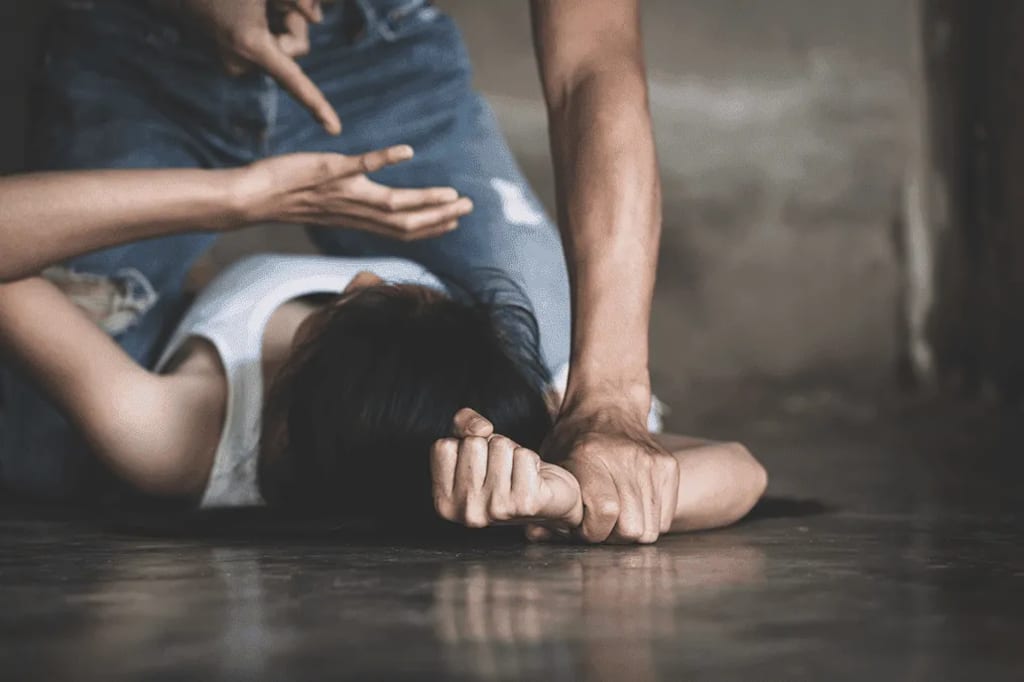
In high school, I faced a nightmare. I was a freshman when my life changed forever. I was raped by an older classmate. The moment itself felt surreal. I froze. When it was over, I felt ashamed. It's common for survivors to feel this way. I didn’t want to believe that I had lost control.
I decided to report the assault. Speaking to authorities was difficult. But I felt it was essential. I hoped that my actions would provide some measure of justice. I never imagined the backlash that would follow my choice. The attention my case received was overwhelming. It was painful and isolating. People in my community began to question my story. Some even supported my attacker. This reality was a crushing blow.
After the assault, my friends greeted me cheerfully. It was my older sister’s graduation weekend. I didn’t want to disrupt the celebration. So, I buried my trauma deep inside. I convinced myself that I was fine. But every day was a struggle. I felt the weight of shame and humiliation pressing down on me.
Initially, I shared my experience with a couple of close friends. They were sympathetic and supportive, but I still felt alone. A dorm adviser later found me in distress during a panic attack. In her office, I spoke about my situation hypothetically. I was afraid to admit the truth. She encouraged me to talk to my mother.
I had always shared a close bond with my mom. So, I took a deep breath and confided in her about the assault. She listened without judgment, which helped me feel even a little lighter. However, we had never discussed topics like consent and healthy relationships before. That gap in our discussions left me feeling vulnerable.
When my allegation became known, my community's reaction surprised me. At first, friends were concerned and supportive, but that changed. As I took legal action, their attitudes shifted dramatically. Many began to side with my attacker. I realized that for some, it was easier to believe a woman could lie than to accept that a respected young man could commit such a crime. This realization broke my heart.
The community raised funds for my attacker’s legal defense. I felt abandoned and misunderstood. Even though I had the support of my close friends and family, the wider community's response was painful. It heightened my feelings of isolation. I began to question not only their beliefs but also my worth. Did they see me as a victim or just as a nuisance?
My case received considerable media attention. It occurred before the MeToo movement gained traction. That movement has changed the conversation around sexual assault. Many survivors have taken courage to share their stories. It has created a safer space for some, but I wonder if it really makes a difference for everyone.
I had a mix of emotions about the Justice I sought. My attacker was acquitted of felony rape but convicted on three counts of misdemeanor sexual assault. It felt wrong. I fought hard for justice, but the outcome left me feeling unfulfilled. I had chosen to speak out, relying on my supportive network, but there were still unresolved feelings lingering in my heart.
Throughout the legal process, I felt supported. Detectives and prosecutors were compassionate and empowering. For the first time, I used my voice to advocate for myself and others. That realization was freeing. I learned that my pain could help prevent future assaults. My experience could serve as a beacon for other survivors.
I knew I had to share my story. So I wrote a memoir titled "I Have the Right To." In it, I detailed my journey and the turmoil I endured. Writing was an essential part of my healing process. It allowed me to express emotions I had kept bottled up for too long. I no longer wanted to keep my experiences hidden.
By sharing my story, I aimed to foster understanding for other survivors. I wanted them to know they were not alone. My voice could resonate with those who felt silenced. The process was cathartic and needed. I felt empowered by my commitment to advocacy.
I also began creating a support network for survivors and their families. I wanted to provide a safe haven where others could share their experiences without fear of judgment. I recognized that many marginalized communities face barriers when sharing their stories. I wanted to help bridge those gaps.
Recently, I met students from a public school in Washington, D.C. Their connection to the MeToo movement seemed distant. That made me realize how varied the experience of being a survivor can be. The movement has indeed created dialogue but does not apply universally. It’s crucial to understand that healing can take many forms, and each survivor has their unique path.
As I continue on this journey, I remind myself of the importance of sharing stories. They can shine a light on the experiences of sexual assault survivors. Through my memoir and advocacy, I hope to
About the Creator
Keep reading
More stories from Gibson Peters and writers in Confessions and other communities.
A Journey Through Pain to Strength
I have a story to share. It is one of pain and resilience. There are moments in life that you can prepare for. Yet, there are also moments that hit you unexpectedly, like a ton of bricks. I faced one of those moments when I was just 16 years old.
By Gibson Petersabout a year ago in Confessions
Word of the Day: ホチキス
I don't know the word for Staples. I remember I used to think that Hochikisu was an Onomatopoeia for a stapler rather than a brand name. I am pretty sure I already have this title as a theme, which is making me feel many sort of ways as Vocal is harassing me about payments currently.
By Kayla McIntosh22 days ago in Confessions
I Stole Something I Regret
I never thought I would be the kind of person who stole. Not in a big, dramatic way, like the movies show, but small—the kind of theft that whispers its way into your conscience quietly, almost unnoticed. But last year, I did. And the memory of it gnaws at me every time I remember.
By Luna Vani2 days ago in Confessions
Silver Screen Magic with Mae West
American actress and singer Mae West became a popular film actress during the Great Depression. She started entertaining in vaudeville, then performed on Broadway, and finally went to Hollywood. She signed up with Paramount Pictures and made her debut in the 1932 film “Night After Night.” She also starred in musicals, comedies, and crime dramas. The American Film Institute named her one of the best classic Hollywood actresses.
By Rasma Raisters5 days ago in Geeks



Comments
There are no comments for this story
Be the first to respond and start the conversation.