
"Breaking Down Crime: Understanding, Preventing, and Reducing Criminal Behavior"
Crimes
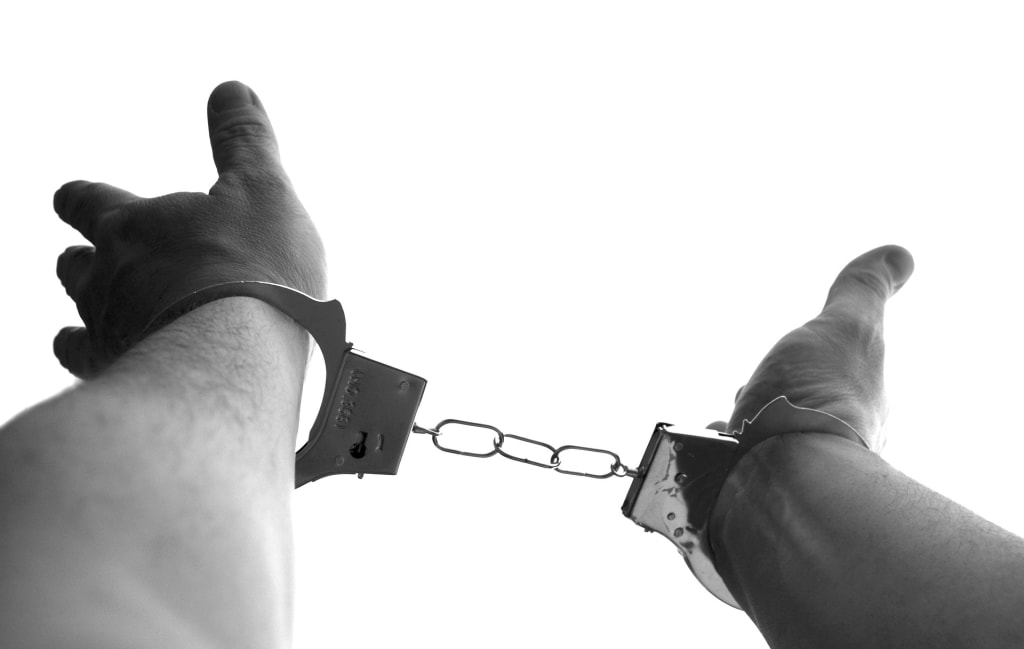
Crime is a persistent problem that affects all societies and communities. It can take many forms, ranging from minor offenses such as traffic violations to serious crimes such as murder, theft, and fraud. The effects of crime can be devastating and long-lasting, undermining public trust in the justice system and leading to a decline in property values, increased fear and insecurity, and a breakdown of social order.
The causes of crime are complex and multifaceted, and can vary from one individual to another. One of the major causes is poverty. People who live in poverty are often driven to commit crimes as a means of survival, as they may have limited access to educational and employment opportunities, and may be struggling to meet their basic needs. In many cases, they may turn to criminal activities, such as theft or drug trafficking, as a way to earn money to support themselves and their families.
Another major cause of crime is a lack of education and employment opportunities. Young people who are unable to find work or receive an education are often more likely to become involved in criminal activities. This is particularly true in areas where the economy is weak and there is limited access to job training and educational programs.
In some cases, crime may be influenced by social and cultural factors, such as the glorification of violence and criminal behavior in certain subcultures. Additionally, the lack of strong family structures and support systems can also contribute to the development of criminal behavior.
The response to crime should be comprehensive and multi-faceted, involving both preventative measures and law enforcement efforts. On the preventative side, governments and communities should work together to provide education and employment opportunities, as well as support for families and individuals who are at risk of becoming involved in criminal activities. For example, this could include programs that educate young people about the dangers of criminal behavior, as well as programs that provide job training and support.
In terms of law enforcement, it is essential to have adequate resources and support, including well-trained and equipped law enforcement officials, modern technology, and effective legal systems. This will enable law enforcement agencies to apprehend and prosecute those who engage in criminal activities, and help to restore public trust in the justice system.
In addition to preventative measures and law enforcement efforts, it is also important to consider the rehabilitation and reintegration of those who have been involved in criminal activities. This can help to reduce the likelihood of recidivism and improve public safety. For example, this could include programs that provide job training, counseling, and support for individuals who are released from prison.
In conclusion, crime is a persistent and complex issue that affects all societies and communities. To effectively address this issue, it is essential to adopt a comprehensive and multi-faceted approach that involves preventative measures, law enforcement efforts, and rehabilitation and reintegration programs. Governments, communities, and law enforcement agencies must work together to create safe and secure environments, provide educational and employment opportunities, and support those who are at risk of becoming involved in criminal activities. Only through a concerted and sustained effort can we hope to reduce crime and improve public safety for all.
About the Creator
Keep reading
More stories from Mohammed Sadeem and writers in Confessions and other communities.
The Duality of Technology: Embracing Its Benefits While Mitigating Its Drawbacks
In recent years, technology has made significant advancements and has completely transformed the way we live. From smartphones to smart homes, technology has permeated every aspect of our lives and has made many tasks easier and more convenient. However, the impact of technology on our lives is not just limited to convenience, it has had a profound effect on our society as well. In this article, we will explore the various ways technology has impacted our lives, both positively and negatively.Positive Impact of Technology
By Mohammed Sadeem3 years ago in Journal
Thoughts on Vocal and the way the world is
"Death cannot stop true love, only delay it." – Wesley in The Princess Bride. I decided to come back to Vocal on a very cold and dark night at the end of December. I had been, and still am, convalescing from a horrible staph infection that had gone misdiagnosed for months. This, paired with the increasing challenges of being healthy, making the best choices for my co-parented child, being a wife, and being a director at a new job, was a lot to manage.
By Jazzy 5 days ago in Confessions
Word of the Day: 近眼
I am sort of happy about some really random things. Like I might know something about something but, I mean I feel... god yea it is just gossip isn't it? I usually avoid that kind of stuff but it is social currency. I guess I am used to playing a more passive role in things but I think it is more in response of being overlooked.
By Kayla McIntoshabout 19 hours ago in Confessions
Smart phones, Humans and Aliens.
WARNING. I will be tapping into one of your favorite creative tensions: The absurdity of humans worshipping their glowing rectangles as if they were tiny oracles. There’s something deliciously poetic about that contradiction, and it lends itself beautifully to an instructive proviso.
By Novel Allen7 days ago in Poets


Comments (1)
Fantastic article-- thank you for writing!