
US Navy Shoots Down Iranian Drone in Arabian Sea
Rising Tensions Highlight Ongoing Military and Diplomatic Struggles in the Middle East
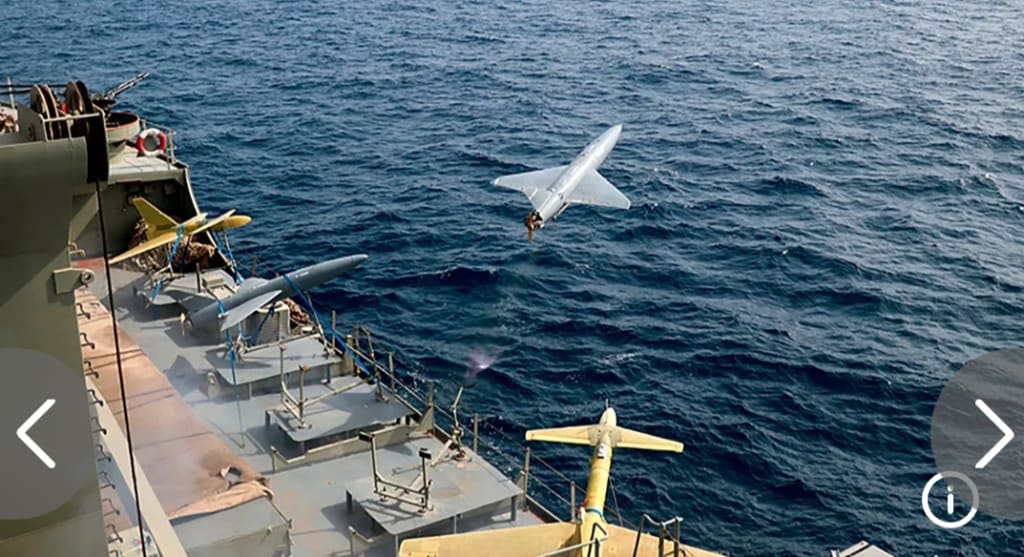
The United States Navy has reportedly shot down an Iranian drone flying over the Arabian Sea, marking another flashpoint in the already tense relationship between Washington and Tehran. The incident underscores the fragile security situation in one of the world’s most strategically important maritime regions, where global energy supplies, international shipping routes, and military interests intersect.
According to defense officials, the drone was detected approaching a U.S. naval asset operating in international waters. Military commanders determined that the unmanned aerial vehicle posed a potential threat and authorized defensive action. The drone was intercepted and destroyed before it could get close enough to endanger personnel or equipment.
Strategic Importance of the Arabian Sea
The Arabian Sea is a vital corridor for global trade and energy transportation. It connects the Persian Gulf with the wider Indian Ocean, allowing oil and gas shipments to move toward Europe, Asia, and other global markets. Any military escalation in this region can quickly have worldwide economic consequences.
Naval patrols in the Arabian Sea are routine, with multiple countries maintaining a presence to ensure freedom of navigation and maritime security. The presence of drones, surveillance aircraft, and warships has become increasingly common in recent years.
Why Drones Are Central to Modern Warfare
Military drones have transformed modern conflict. They are cheaper than traditional aircraft, can stay airborne longer, and can conduct surveillance or attacks without risking pilot lives.
Iran has invested heavily in drone technology, developing systems capable of long-range surveillance and, in some cases, offensive operations. U.S. officials have previously accused Iran of using drones for regional intelligence gathering and supporting allied militias.
The United States, meanwhile, operates some of the world’s most advanced drone detection and interception systems, designed to neutralize aerial threats quickly.
U.S. Response and Military Justification
Pentagon officials stated that the drone was shot down as part of standard defensive protocol. Military rules of engagement typically allow forces to respond if an unknown or hostile object approaches sensitive assets.
U.S. naval commanders emphasize that protecting sailors and military equipment is their top priority. Officials also stressed that actions were taken in accordance with international maritime law.
Iran’s Likely Reaction
Iran has often denied aggressive intent in previous drone incidents, sometimes claiming equipment was operating in international airspace or conducting routine surveillance.
Tehran may view the shootdown as a provocation, potentially escalating rhetoric or military readiness. Diplomatic tensions between the two countries have fluctuated over the years, often influenced by nuclear negotiations, sanctions policies, and regional conflicts.
Broader Regional Security Concerns
The Middle East remains one of the world’s most militarized regions. Conflicts in Yemen, Syria, and Iraq, along with tensions between Gulf states and Iran, contribute to a volatile security environment.
Incidents at sea can quickly escalate if miscommunication or miscalculation occurs. Military analysts often warn that drone encounters are particularly risky because they can be difficult to identify quickly.
Impact on Global Energy Markets
Whenever military tensions rise near key shipping routes, global markets react. Oil prices, shipping insurance rates, and logistics costs can fluctuate based on perceived risks to supply chains.
Energy analysts say even isolated incidents can trigger market volatility if investors fear broader regional conflict.
Diplomatic Efforts and Communication Channels
Despite tensions, communication channels between the U.S. and Iran sometimes remain open through intermediaries. These channels help reduce the risk of accidental escalation.
International organizations and allied nations often urge both sides to exercise restraint following military incidents.
Role of Allies and International Coalitions
The United States operates in the region alongside allies and coalition partners. Joint naval patrols help monitor potential threats and support anti-piracy, counter-smuggling, and maritime security missions.
Allied governments typically monitor such incidents closely, as any escalation could draw multiple nations into a broader crisis.
The Technology Race in Unmanned Systems
Both the U.S. and Iran continue to invest in unmanned military technology. This includes aerial drones, underwater drones, and autonomous surveillance systems.
Future conflicts may increasingly rely on automated defense systems capable of making rapid decisions, raising new ethical and strategic questions.
Risk of Miscalculation
Experts warn that repeated drone encounters increase the risk of accidental escalation. Unlike traditional aircraft, drones may not communicate clearly or respond to warnings.
Military analysts stress the importance of clear rules of engagement and international dialogue to prevent unintended conflict.
Global Security Implications
The shootdown highlights how regional tensions can have global consequences. Maritime security, energy stability, and geopolitical alliances are all affected by military actions in key waterways.
Many nations rely on uninterrupted shipping routes through the Arabian Sea. Any sustained conflict could disrupt supply chains and economic stability.
Conclusion
The U.S. Navy’s decision to shoot down an Iranian drone in the Arabian Sea reflects the complex and tense security environment in the Middle East. While officials describe the action as defensive, the incident adds another layer of tension to an already fragile relationship between the two nations.
As both sides continue to develop advanced military technology and expand regional influence, experts warn that careful diplomacy will be essential to prevent further escalation. The Arabian Sea will likely remain a critical focus point for global security, trade, and geopolitical strategy in the years ahead.
About the Creator
Keep reading
More stories from Aarif Lashari and writers in Cleats and other communities.
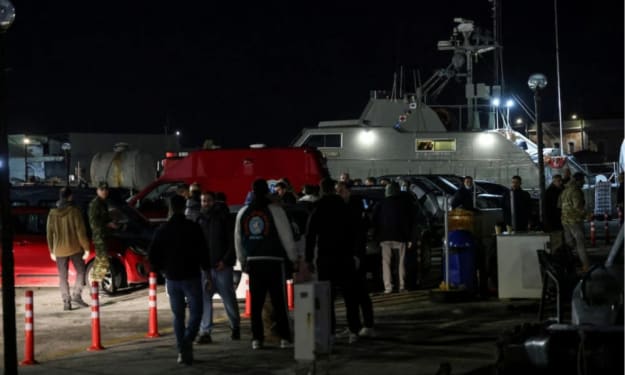
One of the Injured Women Later Died in Hospital, Bringing Total Death Toll to At Least 15
A devastating maritime incident has claimed at least fifteen lives after one of the injured women rescued from a migrant boat collision later died in hospital, according to coast guard officials. The tragedy, which unfolded in waters commonly used by migrants attempting to reach Europe, highlights the ongoing risks faced by thousands who attempt the dangerous Mediterranean crossing each year.
By Aarif Lashari8 days ago in The Swamp
Mack Hollins Stats: From College Walk-On to Super Bowl LX Standout
Mack Hollins’ stats tell a story that goes far beyond numbers. From walking on at North Carolina to producing on football’s biggest stage in Super Bowl LX, Hollins has built a career defined by efficiency, resilience, and clutch performances rather than headline-grabbing volume. While he may not always lead the league in receptions, his statistical impact shows up when it matters most.
By Story Prism3 days ago in Cleats
2026 Winter Olympics — Italy’s Alpine Promise on the World Stage
In February 2026, the world’s winter sports spotlight will settle on northern Italy as Milan and Cortina d’Ampezzo jointly host the XXV Olympic Winter Games. Branded as Milano Cortina 2026, the Games represent a modern vision of the Olympics—one that blends heritage venues with sustainability, regional cooperation, and a return to iconic alpine settings. For Italy, it is both a homecoming and a reinvention, marking the country’s first Winter Olympics since Turin 2006 and Cortina’s second appearance after its historic role in 1956.
By Story Prism7 days ago in Cleats



Comments
There are no comments for this story
Be the first to respond and start the conversation.