
The Business of La Liga: How Clubs Generate Revenue and Build Dynasties
Sports, FIFA, World Cup, Players, Ranking, Premier League, Golden Boots, Silver Boots, Tournament, Legends, Teams, and Fans

The Business of La Liga: How Clubs Generate Revenue and Build Dynasties
La Liga, Spain's premier football division, is home to some of the world's most prestigious football clubs. From the fierce rivalry between Barcelona and Real Madrid to the consistent success of Atlético Madrid, La Liga is much more than a competition between 20 teams. It is a multi-billion-dollar business that thrives on global television deals, sponsorships, matchday revenues, and a deep-rooted history of player development and fan loyalty. Behind the glittering trophies, thrilling matches, and legendary players lies a complex financial ecosystem that drives the growth of these footballing dynasties.
In this article, we will explore how La Liga clubs generate their revenue, the business strategies that sustain their dominance, and the intricate balance they must strike between sporting success and financial sustainability.
The Revenue Streams of La Liga Clubs
To understand how La Liga clubs build dynasties, it's crucial to first delve into the revenue streams that fuel their operations. Like any major football league, La Liga relies on a combination of income from television rights, sponsorship deals, merchandise sales, ticket sales, and player transfers. These sources of revenue are often interwoven, creating a dynamic environment where success on the pitch can lead to increased financial growth, while financial power can help to secure top players and build a successful squad.
Television Rights: The Lifeblood of La Liga
Television rights are the primary source of income for La Liga clubs. Spain's football league generates substantial revenue through broadcasting deals both domestically and internationally. For years, La Liga has benefitted from lucrative television deals, particularly with the rise of digital streaming platforms, which have expanded the global reach of Spanish football.
The division of television revenue has historically been a contentious issue in Spain, with clubs like Real Madrid and Barcelona receiving a disproportionate share due to their global popularity. However, in recent years, La Liga has made strides to ensure a more equitable distribution of television revenue. This shift has been designed to increase the competitiveness of the league, ensuring that smaller clubs also receive fair compensation, which in turn helps to level the playing field and improve the overall quality of football.
Sponsorship and Commercial Partnerships
Sponsorship deals are another key pillar of a La Liga club’s revenue. Corporate sponsorships, from shirt sponsors to stadium naming rights, bring in millions of euros every season. High-profile deals, like Barcelona’s long-standing partnership with Nike and Real Madrid's lucrative deal with Adidas, are crucial for maintaining the financial strength of these clubs.
Beyond traditional sponsorships, La Liga clubs also enter into commercial partnerships with companies across various industries, including tourism, hospitality, and technology. These deals often extend beyond local borders, tapping into international markets where La Liga's global fanbase resides. Real Madrid, for example, benefits immensely from its international marketing strategy, attracting global brands to advertise their products and services.
Matchday Revenue: The Atmosphere of the Stadium
While television rights and sponsorships might make up the bulk of revenue, matchday income remains significant for many clubs, particularly those with large, passionate fanbases. From ticket sales to hospitality packages, merchandise sales, and concessions, the matchday experience generates a steady stream of income for clubs throughout the season.
For teams like Barcelona and Real Madrid, matchday revenue is particularly high due to their enormous stadiums; the Camp Nou and Santiago Bernabéu, respectively, which can host more than 80,000 spectators. These iconic stadiums are not just venues for football; they are part of the clubs’ brand identity, hosting events, tours, and activities that help to boost revenue.
In contrast, smaller clubs face a different reality, often relying on packed stadiums and the fervent support of their local fanbase. The rise of dynamic, fan-focused experiences and premium seating options has allowed clubs across La Liga to enhance their matchday revenues, despite the challenges posed by smaller stadiums.
Player Transfers: A Double-Edged Sword
The transfer market is another area where La Liga clubs generate substantial income. High-profile player transfers, especially for top-tier clubs like Barcelona, Real Madrid, and Atlético Madrid, bring in millions of euros. The business of player transfers is intricate, involving scouting, negotiation, and market analysis. For example, a club may sell a star player to fund new signings or to balance its financial statements.
In the case of Real Madrid, the signing of elite players like Cristiano Ronaldo and more recently Eden Hazard has been a commercial success. These high-profile signings generate a substantial return on investment not just in terms of footballing success but also through increased merchandise sales, sponsorships, and global brand exposure.
However, it’s not just the big names that make the most money for clubs. Smaller clubs in La Liga have developed an acute eye for spotting young talent, investing in players who will appreciate in value over time. For example, players like Dani Carvajal and Fabian Ruiz have been developed at clubs like Real Betis and Real Madrid before making big moves to more prominent teams. The financial return on such deals is vital for clubs operating on tighter budgets.
Sustainability and Financial Fair Play
While revenue generation is vital for a club’s success, it’s equally important to manage expenses effectively. This is where financial fair play (FFP) regulations come into play, ensuring that clubs do not overspend and accumulate excessive debt.
La Liga has introduced its own set of financial regulations to protect the integrity of the league. Clubs are required to adhere to strict salary caps, limiting the amount they can spend on player wages, transfers, and other expenses. The idea is to create a sustainable environment where clubs live within their means, ensuring long-term stability and avoiding the financial pitfalls that have affected clubs in other leagues.
However, despite these regulations, the pressure to build a winning team often leads clubs to make risky financial decisions. Clubs like Barcelona have faced criticism in recent years for their excessive spending, particularly in player wages and transfer fees. The situation became more complex during the COVID-19 pandemic, when matchday revenue plummeted, and sponsorship deals were renegotiated, leaving clubs in dire financial straits.
Building Dynasties: A Balance of Sporting and Financial Success
The path to creating a footballing dynasty requires a combination of footballing vision and financial acumen. Real Madrid, Barcelona, and Atlético Madrid have all achieved sustained success through a combination of smart investments, strategic planning, and an ability to attract top talent.
For Barcelona, the development of La Masia has been pivotal to its success. By nurturing homegrown talent like Lionel Messi, Andrés Iniesta, and Xavi Hernández, Barcelona has built a footballing philosophy centred around youth development. The club’s focus on developing world-class players while balancing its books has made it a formidable force in both La Liga and European football.
Real Madrid, on the other hand, has relied on the "Galácticos" strategy—signing the best players in the world. Their financial power, coupled with the strategic vision of club presidents and managers, has allowed them to build a legacy of success. Real Madrid's ability to attract commercial partners and sponsors ensures the club remains financially robust, allowing it to continue signing top-tier talent.
Atlético Madrid’s rise to dominance, particularly under manager Diego Simeone, highlights the importance of a sustainable business model. The club’s smart transfer dealings, strong youth development, and robust financial strategy have helped them challenge the Spanish giants and become a force in European football.
Conclusion: The Future of La Liga’s Business Model
The business of La Liga is constantly evolving. As the global football landscape changes, clubs must continue to adapt to new revenue opportunities, embrace innovation, and ensure financial sustainability. While television deals and sponsorships remain the backbone of the league’s economy, the ever-expanding digital world presents new avenues for growth.
Building a dynasty in La Liga is not just about winning trophies; it’s about creating a sustainable, profitable operation that ensures success on and off the pitch. Clubs that manage to find the balance between footballing ambition and financial prudence will remain at the forefront of the global football scene.
As La Liga continues to grow in prominence, it will undoubtedly serve as a model for other leagues, demonstrating how a successful football business is built—not just on the pitch, but in the boardrooms and executive offices where strategic decisions shape the future of the game.
About the Creator
Mutonga Kamau
Mutonga Kamau, founder of Mutonga Kamau & Associates, writes on relationships, sports, health, and society. Passionate about insights and engagement, he blends expertise with thoughtful storytelling to inspire meaningful conversations.
Keep reading
More stories from Mutonga Kamau and writers in Cleats and other communities.
Most Iconic La Liga Matches: Drama, Goals, and Historic Moments
Most Iconic La Liga Matches: Drama, Goals, and Historic Moments La Liga, Spain’s premier football league, has given the world some of the most unforgettable moments in football history. Its legacy is built on iconic players, fierce rivalries, and matches that leave fans in awe long after the final whistle. From last-minute goals to stunning comebacks, the league has consistently delivered drama and excitement. This article revisits some of the most iconic La Liga matches, highlighting the emotion, tension, and sheer magic that define the competition.
By Mutonga Kamauabout a year ago in Cleats
Top 5 Players with Most Days as No. 1 ODI Batter
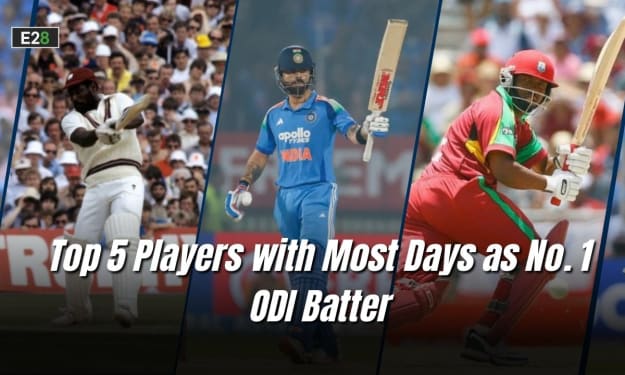
One Day International (ODI) cricket has been one of the most popular formats of the game since its beginning in 1971. With only 50 overs available, batters must combine skill, patience, and smart shot selection to succeed. In such a competitive format, individual consistency becomes extremely important, especially when players are judged through ICC rankings. Holding the top position is a sign of dominance, but staying there for years is even more difficult. The record for most days as №1 ODI batter highlights the rare cricketers who performed at the highest level for long periods. These players scored runs in different conditions, against the best bowlers, and under constant pressure. This article focuses on the legends who achieved the most days as №1 ODI batter, showing why they stand above the rest in ODI history.
By Sports Record and Stats 3 days ago in Cleats
What Marc Guehi Brings to Manchester City After £20m Move from Crystal Palace
Manchester City have strengthened their defence by completing the signing of England international Marc Guehi from Crystal Palace for an initial £20 million. The 25-year-old centre-back has signed a five-and-a-half-year contract at the Etihad Stadium, keeping him at Manchester City until 2031.
By Sneaha Zyniiabout 7 hours ago in Cleats


Comments
There are no comments for this story
Be the first to respond and start the conversation.