
Test cricket will change! Matches will be of 4 days instead of 5, know when it can be implemented
Test cricket
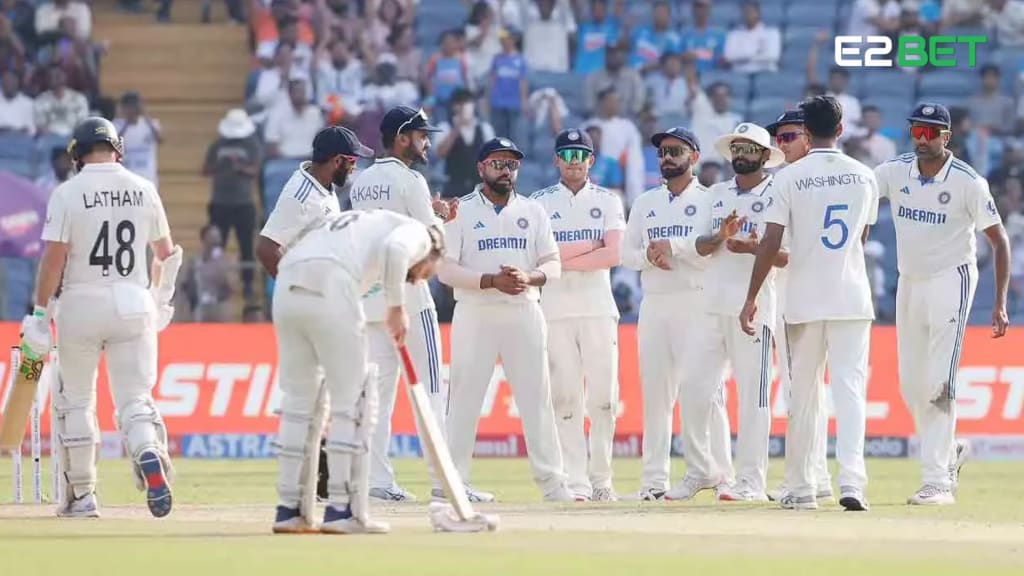
The upcoming India vs England Test series, starting on June 20, marks an important moment in cricket, as it coincides with ongoing discussions about the future of Test cricket formats worldwide. The International Cricket Council (ICC) is considering significant changes for the World Test Championship (WTC) 2027-29 cycle, especially focusing on the format and duration of Test matches for different cricketing nations. The ICC plans to allow smaller cricket nations to play four-day Test matches while larger, established teams like India, Australia, and England may continue with the traditional five-day Tests. This decision aims to balance tradition with the practicalities and growth needs of the game globally.
The ICC’s plan, reported by ‘The Guardian,’ intends to help smaller cricket nations increase their Test match participation and engage in longer series without the logistical and financial burdens that five-day Tests often entail. Smaller countries sometimes struggle to host longer Tests due to costs, venue availability, and audience interest. Shortening Tests to four days, with a slight increase in minimum daily overs from 90 to 98, allows these nations to complete three-match series in less than three weeks, making it easier and more cost-effective to organize and sustain Test cricket.
Jay Shah, the ICC President, recently expressed his support for four-day Tests during the WTC final at Lord’s. His endorsement signals a progressive approach towards accommodating the diverse needs of cricket-playing nations while respecting the traditions of the sport’s powerhouses. India, Australia, and England, often regarded as the custodians of Test cricket’s rich legacy, will retain the five-day format for prestigious series like the Ashes, the Border-Gavaskar Trophy, and the newly named Tendulkar-Anderson Trophy. This approach maintains the historical and competitive integrity of the game’s most high-profile contests.

The Tendulkar-Anderson Trophy, which will debut with the first Test at Headingley between India and England, symbolizes this blend of tradition and modernity. It celebrates two of cricket’s greats—Sachin Tendulkar and James Anderson—while marking a new era with these format changes. These high-profile series will continue to captivate audiences worldwide with the classic five-day battles that have defined Test cricket for over a century.
The concept of four-day Tests is not entirely new. The ICC first approved four-day Test matches for bilateral series back in 2017. England has experimented with this format in matches against Ireland in 2019 and 2023, and more recently, against Zimbabwe at Trent Bridge. The positive feedback from these encounters has encouraged the ICC to consider broader implementation for smaller cricket nations. This format has demonstrated its potential to maintain competitive cricket while reducing the financial and logistical pressures of longer matches.
One key benefit of the four-day format is its appeal to smaller cricket boards. Many of these boards face difficulties in staging lengthy Test matches, as the cost and time commitments are substantial. Four-day Tests offer a practical solution, enabling these countries to host more matches and gain valuable experience for their players. It also helps them attract sponsors and broadcasters by offering a shorter, more viewer-friendly format without diluting the essence of Test cricket.
South Africa’s recent triumph in the thrilling WTC final against Australia has brought attention to the challenges faced even by established Test teams. Despite their world champion status, South Africa’s weak Test schedule highlights the broader issue of balancing international commitments and player workload. This situation adds weight to the argument that format flexibility, including four-day Tests, could help maintain player fitness and sustain competitive cricket globally.
This potential shift towards four-day Tests for smaller nations while retaining five-day matches for the giants of the game could transform the landscape of Test cricket. It respects the traditions held dear by cricket purists while encouraging growth and sustainability for emerging cricketing countries. This change might make Test cricket more attractive and accessible for smaller countries, encouraging them to invest more in the format and contribute to its global expansion.
In conclusion, the ICC’s plan to introduce four-day Tests for smaller cricket nations in the WTC 2027-29 cycle, alongside the ongoing five-match Test series between India and England starting June 20, reflects a thoughtful evolution of Test cricket. This approach balances respect for tradition with a practical strategy to expand and sustain the game worldwide. Whether this change will indeed increase interest and competitiveness among smaller cricketing nations remains to be seen, but it certainly opens an exciting new chapter for the longest format of the game.
About the Creator
Keep reading
More stories from laradecruz and writers in Cleats and other communities.
Big news about IND vs ENG series, ECB took a big decision after the controversy over the name of the trophy
The upcoming five-match Test series between India and England, beginning on June 20, 2025, has drawn attention not just for the cricketing rivalry but also for the controversy surrounding the name of the trophy. Originally known as the Pataudi Trophy, the England and Wales Cricket Board (ECB) had proposed renaming it as the *Tendulkar-Anderson Trophy*, to honor two legends—Sachin Tendulkar and James Anderson, who are the highest run-scorer and wicket-taker in Test cricket, respectively. However, the idea met with widespread criticism, leading to a revised decision that seeks to honor the historical legacy of the Pataudi family in both Indian and English cricket.
By laradecruz9 months ago in Cleats
Living on Just a Few Spoonfuls a Day: The Woman Who Still Traveled to 28 Countries
For most people, traveling the world requires energy, stamina, and the ability to keep up with the physical demands of long journeys. But for one remarkable woman, even eating a normal meal is impossible. She can consume only three to four spoonfuls of food in an entire day. Yet despite this severe limitation, she has managed to travel to 28 countries, inspiring thousands with her determination and courage.
By Irshad Abbasi 7 days ago in Cleats
The Raphinha Show: A Vocal Story of Barcelona's 5-2 Thriller
Sound of a crowd humming, a stadium announcer echoing in the distance. The whistle blows. It’s the 15th of March, 2026. A warm night in Catalonia. The air inside the Camp Nou is thick with anticipation. This is La Liga Round 28, and Barcelona are at home to Sevilla. It’s more than just a game; it’s a chance to climb the table, to make a statement. And from the very first minute, the home team looks hungry.
By Football Score23 minutes ago in Cleats




Comments
There are no comments for this story
Be the first to respond and start the conversation.