
How to Train Cricket at Home With Limited Space
How to Train Cricket at Home
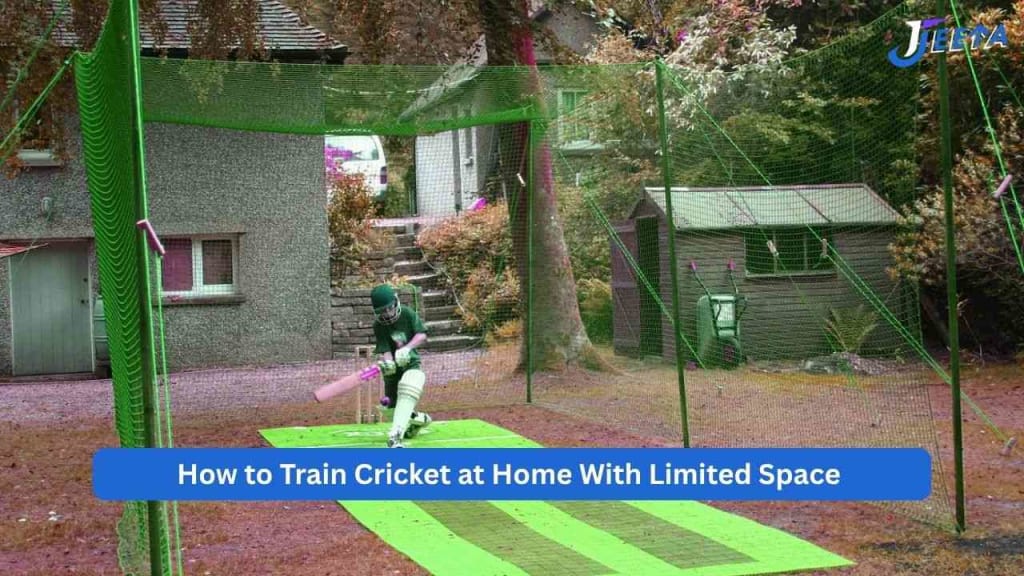
How to Train Cricket at Home: Tips for Improving Skills in Limited Space
Learning how to train cricket at home can help you improve your skills, timing, and technique even without a full-sized ground. By using simple tools like a soft tennis ball, a wall, or a hanging ball, you can work on batting, bowling, and fielding effectively. Short, consistent practice sessions allow you to develop the fundamentals of the game while staying safe and creative in smaller spaces.
Even in a limited area, you can focus on fitness, footwork, and mental preparation to become a well-rounded player. Bodyweight exercises, shadow batting, and reflex drills improve strength, agility, and coordination, which are essential for cricket. Visualization techniques and tactical study help sharpen your cricketing mind. With dedication and a structured routine, small spaces can become productive practice zones that support your growth as a player while nurturing your love for the game.
10. Use Soft Tennis Balls for Safe Practice

Soft tennis balls are ideal for small spaces because they bounce well, reduce injury risks, and won’t cause damage. They help improve hand-eye coordination, timing, and reflexes. Batters can work on defensive shots, soft drives, and gentle flicks, while bowlers can focus on control and accuracy.
9. Practice Batting Against a Wall
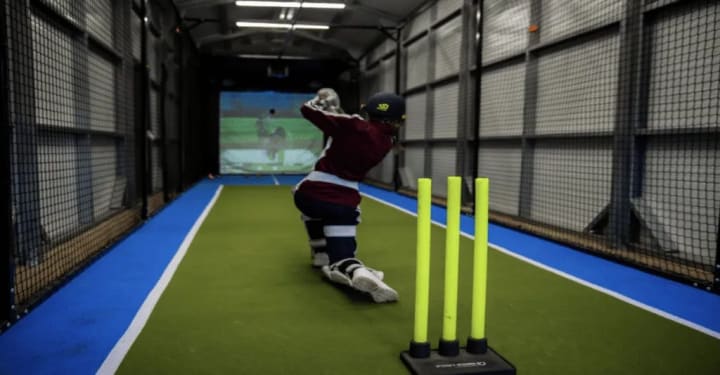
A wall can serve as a great training partner. Tap the ball gently against it to practice timing, middle-of-the-bat contact, and shot placement. This drill enhances reflexes, footwork, and consistency. By changing angles, you can simulate different match scenarios and sharpen your batting technique.
8. Shadow Batting for Technique and Body Movement
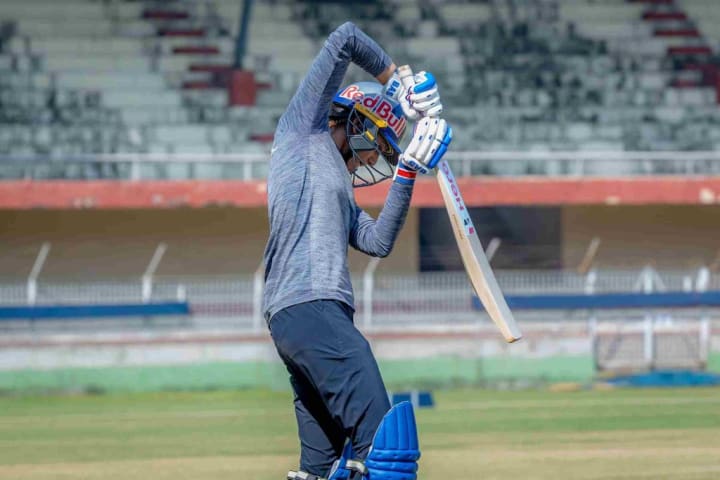
Shadow batting requires only a bat and helps focus on foot movement, backlift, follow-through, and balance. Practicing shots without a ball builds muscle memory and corrects bad habits. Many professional players use shadow batting daily to maintain form.
7. Bowling Action Practice in a Corridor
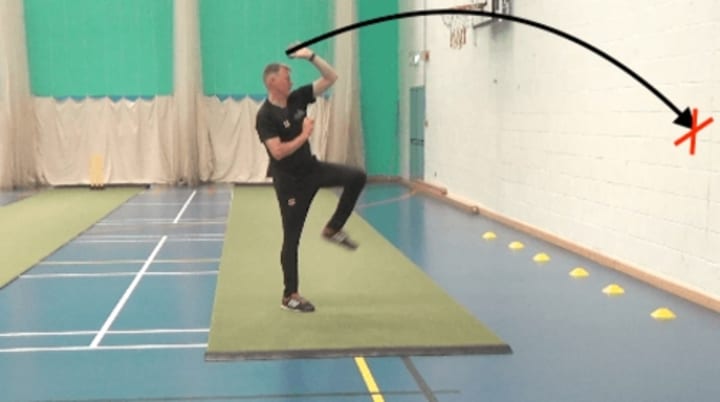
Bowlers can use a narrow corridor to practice their action. Focus on run-up rhythm, arm rotation, release point, and follow-through. Accuracy is more important than speed here. Adding a small target on the wall can improve precision while reducing injury risk.
6. Single-Hand Catch Drills for Fielding
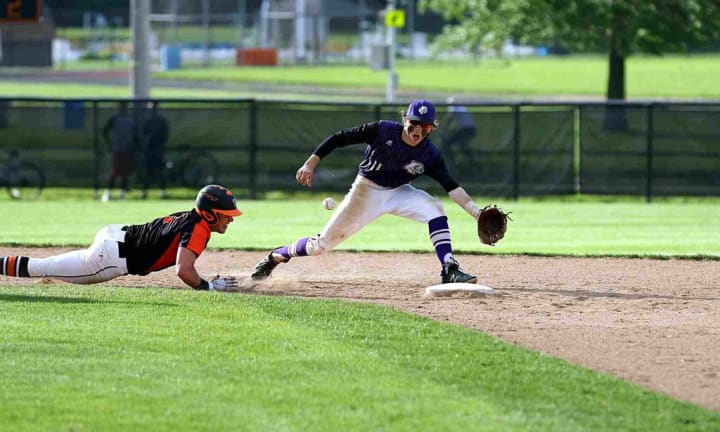
Fielding skills can improve with simple single-hand catching exercises. Throw a soft ball against a wall and catch it with one hand, alternating left and right hands. These drills sharpen reflexes and hand stability, especially useful for close-in fielding positions.
5. Fitness and Strength Training at Home

Cricket requires strong legs, a stable core, and flexible shoulders. Bodyweight exercises like squats, push-ups, lunges, planks, and jumping jacks help build stamina, balance, and overall athletic performance. Stretching routines enhance flexibility and reduce injury risk. Regular home workouts keep you match-ready even off the field.
4. Use a Hanging Ball for Precision
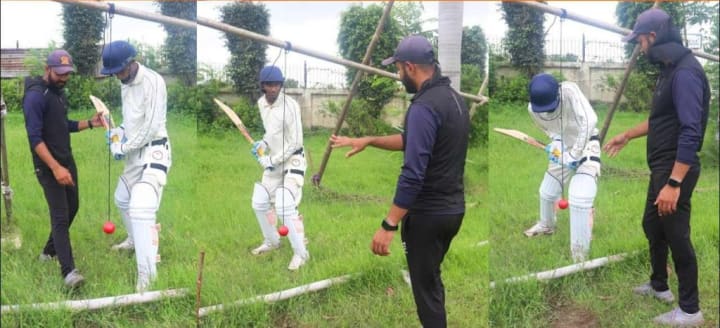
A hanging ball tied to a rope allows you to work on hand-eye coordination, defensive shots, and soft touches. This simple setup requires minimal space and is widely used by professional players to improve shot control.
3. Practice Footwork in a Small Area
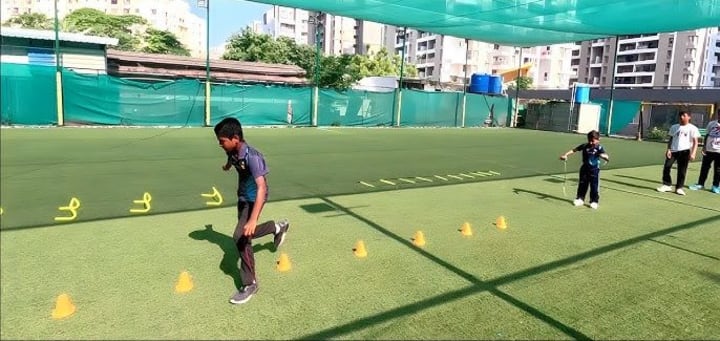
Good footwork is vital for batting, wicketkeeping, and bowling. Forward strides, side steps, shuffles, and back-and-across movements improve agility and reaction time. Using floor markings or tiles can help maintain consistency.
2. Mental Training and Tactical Awareness
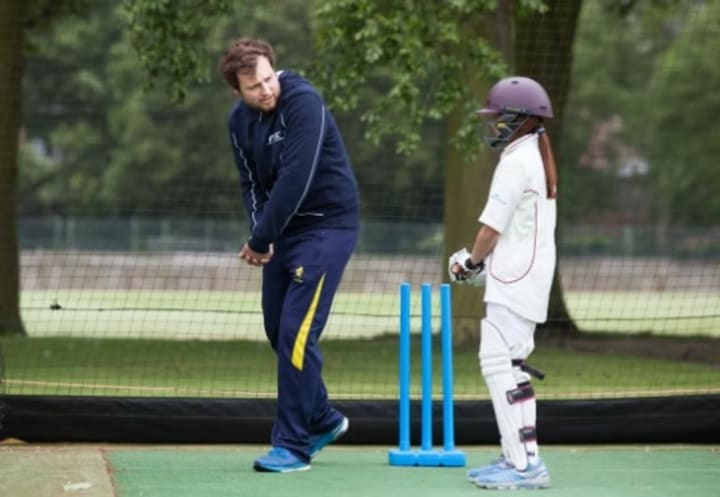
Cricket is as much a mental game as a physical one. Study match situations, watch tutorials, and analyze your favorite players. Visualization-imagining yourself facing bowlers, playing shots, and fielding under pressure-builds confidence and decision-making skills.
1. Consistency and Routine Are Key
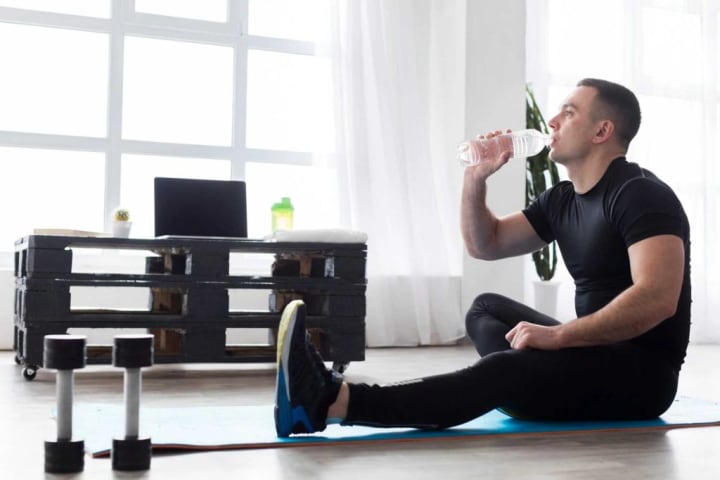
The most important factor in home training is consistent practice. Create a routine that includes batting, bowling, fielding, and fitness exercises. Even 30–45 minutes a day can lead to significant improvement. Discipline, patience, and steady progress are what transform raw talent into real skill, even in small spaces.
About the Creator
Keep reading
More stories from laradecruz and writers in Cleats and other communities.
10 Best Cricket Shoes for Dhaka Turf Grounds
Top 10 Cricket Shoes for Dhaka Turf Grounds Playing cricket on Dhaka’s turf can be challenging, with its mix of soft and firm patches. The right pair of cricket shoes can make a big difference, offering the grip, comfort, and support needed for quick sprints, sharp turns, and high-impact movements. Whether you are a professional cricketer or an enthusiastic amateur, choosing shoes designed for Dhaka’s unique conditions can improve performance and reduce the risk of injury. Here’s a look at the top 10 cricket shoes that combine stability, support, and style.
By laradecruz4 months ago in Cleats
Shadow Fist: A Gritty Independent MMA Drama From Andreas Szakacs Productions
At first glance, Shadow Fist appears to be a gritty mixed martial arts drama set in the underground fight scene of Mexico City. But beneath the punches, bruises, and adrenaline of the ring lies a deeper story—one about resilience, identity, and the difficult journey toward redemption.
By Andreas Szakacs3 days ago in Cleats
Living on Just a Few Spoonfuls a Day: The Woman Who Still Traveled to 28 Countries
For most people, traveling the world requires energy, stamina, and the ability to keep up with the physical demands of long journeys. But for one remarkable woman, even eating a normal meal is impossible. She can consume only three to four spoonfuls of food in an entire day. Yet despite this severe limitation, she has managed to travel to 28 countries, inspiring thousands with her determination and courage.
By Irshad Abbasi about 15 hours ago in Cleats
The BAFTA Awards
By now, in a stunning departure from recent years, most of the world is aware of what happened at the BAFTA film awards. Social Media Headlines will tell you the bare bones: that John Davidson, a Tourette's Syndrome advocate, shouted a racial slur at two Actors of Colour, Michael B Jordan and Delroy Lindo.
By Natasja Rose6 days ago in Psyche




Comments
There are no comments for this story
Be the first to respond and start the conversation.