
World War 3: Fear, Power, and the Dangerous Language of Our Time
Why talk of a global war spreads fast—and why responsibility matters more than panic

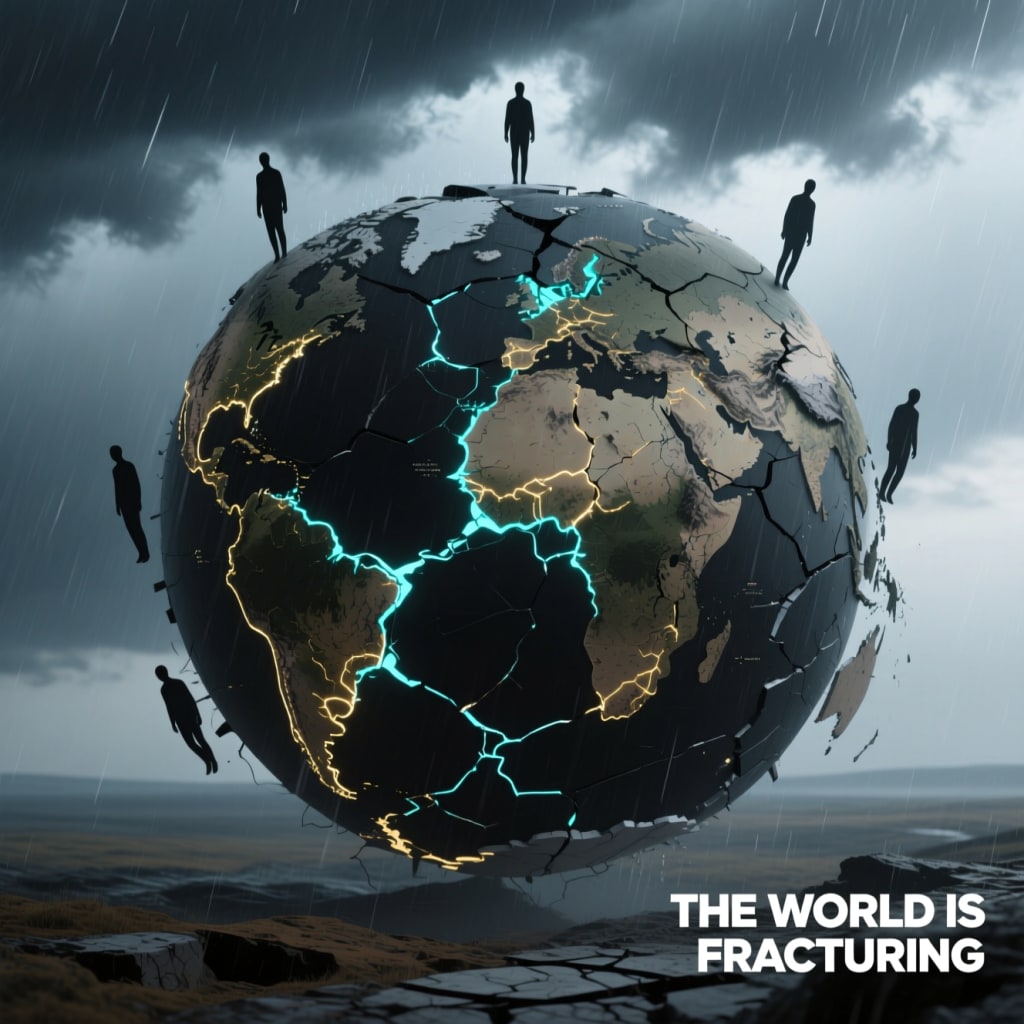
World War 3: Fear, Power, and the Dangerous Language of Our Time
The phrase “World War 3” has become one of the most searched and shared terms in recent years. It appears in headlines, political speeches, social media posts, and everyday conversations. Some people treat it as an inevitable future, while others dismiss it as fear-mongering. The truth, however, lies in a more complex and serious space—one that demands caution, context, and responsibility.
At present, there is no official declaration of World War 3 by any global authority. Yet the fear exists for a reason. Rising international tensions, ongoing regional wars, nuclear threats, economic instability, and aggressive political language have created an atmosphere where people feel the world is standing on fragile ground.
Modern conflicts no longer stay contained. A war in one region affects fuel prices across continents. Political decisions in powerful nations influence food security, climate agreements, and global trade. In such a connected world, escalation is always a concern—even when leaders claim they are acting defensively.
One major reason the idea of World War 3 spreads so quickly is language. When influential political figures use phrases like “total destruction,” “enemy states,” or “inevitable conflict,” those words travel far beyond their intended audience. In the digital age, a single statement can become a viral headline within minutes, often stripped of context and amplified by fear.
Social media accelerates this problem. Platforms reward emotional reactions, not careful analysis. A post predicting global war spreads faster than a calm explanation of diplomatic negotiations. As a result, people begin to feel that war is not only possible, but imminent—even when experts urge restraint.
Another factor fueling anxiety is the existence of nuclear weapons. Unlike previous world wars, a third global war would not be fought only with soldiers and tanks. The presence of nuclear arsenals means the consequences would be catastrophic, long-lasting, and global. This reality makes even small escalations feel terrifying.
However, history shows something important: fear does not always lead to war. During the Cold War, the world lived under constant threat of nuclear conflict, yet large-scale global war was avoided through diplomacy, communication channels, and mutual deterrence. This does not guarantee safety today, but it proves that disaster is not unavoidable.
It is also important to understand the difference between warning and prediction. Saying “the risk of global conflict is rising” is not the same as saying “World War 3 will start soon.” Responsible discussion focuses on risks, causes, and prevention—not certainty or panic.
Citizens play a role here as well. Consuming news carefully, checking sources, and questioning sensational claims helps reduce misinformation. Panic benefits no one, but informed concern can pressure leaders toward accountability and peaceful solutions.
Leadership matters most. When those in power choose aggressive rhetoric over diplomacy, the world feels less stable. When they prioritize national ego over global responsibility, trust erodes. Strong leadership is not about threatening war—it is about preventing it.
The fear of World War 3 should not paralyze us. Instead, it should remind us why international cooperation, humanitarian law, free journalism, and public awareness are essential. Wars do not begin in a single moment; they grow from repeated failures to listen, compromise, and value human life.
The future is not written yet. While the risks are real, so are the tools for peace. Dialogue, diplomacy, and responsible leadership remain the strongest defenses against a global catastrophe.
World War 3 is not destiny.
It is a warning—and warnings exist so they can be taken seriously, not sensationalized.
About the Creator
Wings of Time
I'm Wings of Time—a storyteller from Swat, Pakistan. I write immersive, researched tales of war, aviation, and history that bring the past roaring back to life
Keep reading
More stories from Wings of Time and writers in Chapters and other communities.
Are We Standing at the Edge of World War Three?
Are We Standing at the Edge of World War Three In recent months, the phrase “World War Three” has returned to public conversations with an unsettling force. It appears in news headlines, political speeches, social media debates, and late-night discussions among ordinary people who feel the weight of uncertainty growing heavier each day. While no official declaration of a global war exists, the fear itself has become real—and fear, history teaches us, is often the first step toward catastrophe.
By Wings of Time 2 months ago in Chapters
Valentine's Dates Over the Years
Colin grinned as Brooklyn slipped into the living room. “Is it all set?” he asked. The twenty-one year old grinned. She was in her last year of college and Colin knew that Lincoln was proud of her. Although she had been away at college, she’d eagerly helped Colin plan his surprise for Lincoln. “I’m so glad you’re finally doing this,” she said.
By Reb Kreyling16 days ago in Chapters


Comments
There are no comments for this story
Be the first to respond and start the conversation.