Travel
The Statue of Liberty: A Human Story of Hope, Courage, and the Promise of America
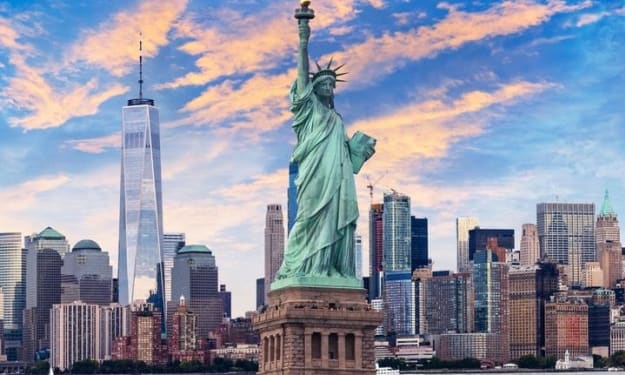
The Statue of Liberty is more than a monument rising above New York Harbor. For generations, she has been a silent witness to the dreams, fears, and hopes of millions of people who crossed the ocean searching for a new beginning. Her copper skin may have weathered, but her message has not: freedom is worth striving for, and hope is worth holding onto. 🇫🇷 A Gift Born From Shared Ideals The idea for the statue began not with governments, but with people—French thinkers, artists, and activists who admired America’s struggle for independence. They believed the United States represented something rare: a nation built on the idea that ordinary people could shape their own destiny. French sculptor Frédéric Auguste Bartholdi imagined a woman holding a torch high above the world, lighting the path toward liberty. Gustave Eiffel engineered the internal structure, giving her the strength to withstand storms, winds, and time itself. When the statue finally arrived in New York in 1885—packed in more than 200 crates—it wasn’t just a diplomatic gesture. It was a message of solidarity between two nations that believed in freedom. 📏 A Design Filled With Meaning Every detail of the statue carries intention: - The torch represents enlightenment—the idea that knowledge lights the way forward. - The seven rays on her crown symbolize the seven continents and seas, a reminder that liberty is universal. - The tablet in her left hand bears the date July 4, 1776, anchoring her to the birth of American independence. - The broken chains at her feet, often overlooked, speak to liberation from oppression. She stands 305 feet tall, but her true height comes from what she represents. 🛬 The First American Face Millions Ever Saw For immigrants arriving by ship in the late 1800s and early 1900s, the Statue of Liberty was not a tourist attraction—it was the first sign that their long, uncertain journey was ending. Imagine standing on the deck of a crowded ship after weeks at sea. You’re tired. You’re scared. You’re leaving everything you’ve ever known behind. And then, through the fog, you see her. People cried. People prayed. Some whispered promises to themselves. Others simply stared, unable to speak. Ellis Island processed more than 12 million immigrants, but Liberty Island gave them something just as important: the belief that they belonged somewhere. 🧠 A Cultural Icon Through Every Era The Statue of Liberty has appeared in films, paintings, speeches, and protests. She has been a symbol of resilience after national tragedies and a reminder of unity during divided times. She has stood through wars, economic crises, and cultural shifts. She has watched New York City rise, fall, rebuild, and rise again. Through it all, she has remained steady—an anchor in a world that constantly changes. 🧳 Visiting the Statue Today A visit to Liberty Island is more than a sightseeing trip. It’s a chance to stand where millions once stood and feel the weight of history beneath your feet. Visitors can explore: - The Statue of Liberty Museum, which tells the story of her creation - The pedestal, offering sweeping views of New York Harbor - The crown, accessible with advance reservations and not for the faint of heart The ferry ride itself is a moment of reflection—New York’s skyline on one side, Lady Liberty on the other. 📚 Little Details That Make Her Even More Fascinating - She wasn’t always green; she turned that color naturally as the copper oxidized. - When she was completed, she was the tallest structure in New York. - Her torch has been replaced and redesigned multiple times. - She can sway up to 3 inches in strong winds—graceful even in storms. 💬 Why She Still Matters The Statue of Liberty endures because she represents something deeply human: the desire to be free, to be seen, and to build a life with dignity. She reminds us that America’s story is not perfect, but it is always evolving—and always striving toward something better. She is not just a monument. She is a promise. If this story moved you, share it with someone who loves history or dreams of visiting New York. Leave a comment with your thoughts or your own experience seeing Lady Liberty. And if you’d like to support more human-centered stories like this, feel free to leave a tip—it helps bring more meaningful content to life.
By Haroon Pashaabout 23 hours ago in Chapters
How Power Structures Protect Themselves
In 1949, a book was written titled Nineteen Eighty-Four, in which George Orwell fictionally explained how, in the future, systems and governments would become so powerful that they would prioritize their own power struggles over people’s well-being. And remember, we’re talking about the West, where democracy is considered very mature. According to Orwell, such states never truly end conflicts or wars; one way or another, they keep fear alive among people. If fear remains intact, people stay obedient.
By Ibrahim Shah 2 days ago in Chapters
Why Rwanda Should Be Your Next Nature-led Adventure
This small but spectacular East African country is one of the continent’s most extraordinary wildlife destinations. Rwanda is one of only three countries in the world where travellers can see mountain gorillas in the wild.
By Ibrahim Shah 9 days ago in Chapters
UK Passport Changes 2026: New Entry Rules for Dual British Citizens Explained
Big Changes to UK Passport Rules Starting February 25, 2026: What Dual Citizens and Travelers Need to Know Starting February 25, 2026, the UK is rolling out new passport and border rules, and they’re going to hit a lot of people—especially Brits who also hold another passport.
By Real content10 days ago in Chapters