
Why the FDA Banned Red Dye 3: What It Means for Food Safety
Understanding the Risks of Red Dye 3 and Its Impact on Everyday Products
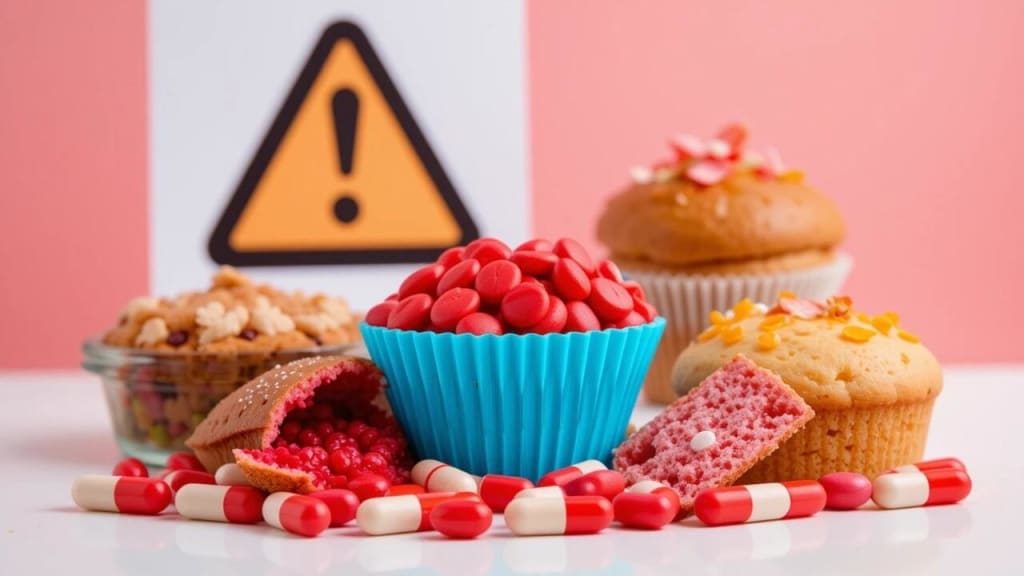
The U.S. Food and Drug Administration (FDA) recently announced a ban on Red Dye 3, a widely used food and drug coloring. This decision has sparked discussions about food safety and the role of additives in everyday products. Here’s everything you need to know about why this ban happened, its implications, and what comes next.
What Is Red Dye 3?
Red Dye 3, known as FD&C Red No. 3 in the U.S., is a synthetic coloring agent often used in candies, baked goods, snacks, and even medications. Its bright red hue has made it a popular choice for food manufacturers to make products more visually appealing.
Despite its common use, Red Dye 3 has faced scrutiny for decades due to studies suggesting it may pose health risks. The dye has already been banned in cosmetics in the U.S. since 1990, but it remained in food and medicine until now.
---
Why Did the FDA Ban Red Dye 3?
The FDA’s decision to ban Red Dye 3 stems from evidence showing it can cause cancer in lab animals. The move follows a 2022 petition by consumer advocacy groups urging the agency to take action.
In its announcement, the FDA pointed to studies showing that high doses of Red Dye 3 caused cancer in male rats. Although the mechanism by which it affects rats does not apply to humans, the FDA was required to act under the Delaney Clause. This law prohibits the use of any additive shown to cause cancer in humans or animals.
The dye’s ban in food and drugs marks a significant step in
addressing safety concerns that have persisted for years.
---
A Long Road to Regulation
Consumer groups and scientists have been raising alarms about Red Dye 3 for decades. The dye has already been banned for food use in Europe, Australia, and New Zealand. However, exceptions have been made for specific products like certain types of cocktail cherries.
The turning point in the U.S. came in 2022 when advocacy groups filed a petition demanding a ban. By November 2024, members of Congress joined the push, urging the FDA to act swiftly. This pressure, combined with growing public awareness about food safety, led to the FDA’s recent decision.
---
What Does the FDA’s Ban Mean for Food and Drug Makers?
The FDA has given manufacturers time to adjust to the new regulations. Food products containing Red Dye 3 must be reformulated by January 15, 2027, while drug manufacturers have until January 18, 2028, to comply.
Popular items like candy, snacks, and baked goods will need to find alternative coloring agents. For instance, Betty Crocker’s Red Decorating Icing and Brach’s Candy Corn, which currently use Red Dye 3, will need to be reformulated.
---
Mixed Reactions to the Ban
The FDA’s decision has drawn a range of reactions:
Supporters of the Ban:
The Center for Science in the Public Interest, a consumer advocacy group, praised the move, calling it a victory against “a decades-long regulatory failure.” They believe it is a step forward in protecting public health.
Industry Concerns:
The International Association of Color Manufacturers has expressed concerns about the ban. They argue that the high doses used in animal studies do not reflect real-world consumption levels. The group emphasized that advancements in science should guide regulations rather than outdated methods.
Food Manufacturers:
The U.S. National Confectioners Association, representing the $48 billion confectionery industry, stated it would comply with the FDA’s guidelines. They reiterated their commitment to following science-based safety standards.
---
Broader Implications for Food Additives
This decision may signal a shift toward stricter re
gulation of food additives. Robert F. Kennedy Jr., the incoming Health and Human Services Secretary, has indicated he wants to target other controversial additives.
In October 2024, Kennedy called on cereal manufacturers to eliminate artificial dyes from their products. He also raised concerns about seed oils like canola, soy, and sunflower oil, suggesting they might harm public health. However, experts like Stanford University’s Christopher Gardner countered these claims, pointing to decades of research showing seed oils promote better health outcomes.
---
What’s Next for Consumers?
The FDA’s decision highlights the importance of scrutinizing what goes into the foods and medicines we consume. While the removal of Red Dye 3 may lead to changes in familiar products, it also opens the door for safer alternatives.
For consumers, this ban is a reminder to stay informed about food labels and the ingredients used in everyday products.
---
Conclusion
The FDA’s ban on Red Dye 3 marks a significant moment in food safety regulations. While the dye has been a staple in many popular products, evidence of its risks could no longer be ignored.
As manufacturers work to reformulate their offerings, this decision underscores the importance of prioritizing public health over convenience. It also raises broader questions about the future of food additives in the U.S.
For now, one thing is clear: Red Dye 3’s time on store shelves is coming to an end, paving the way for a safer and more transparent food industry.
About the Creator
How Iran Attacks Are Affecting Pakistani Workers in Dubai and the Gulf
Until a few days ago my work was going very well, but now several days pass without getting any work. Over the past five years I manageid to pay off the debts that were on me and my family. Now my goal was to build my own house. But if the situation continues like this, it may even become difficult to earn a living in Dubai.”
By Real content7 days ago in Chapters


Comments
There are no comments for this story
Be the first to respond and start the conversation.