
Red Dye No. 3 Ban: What You Need to Know About Its Health Risks and Impact on Everyday Products
The FDA takes a bold step in food safety, banning Red Dye No. 3 in foods, beverages, and medications to protect consumers from potential cancer risks.
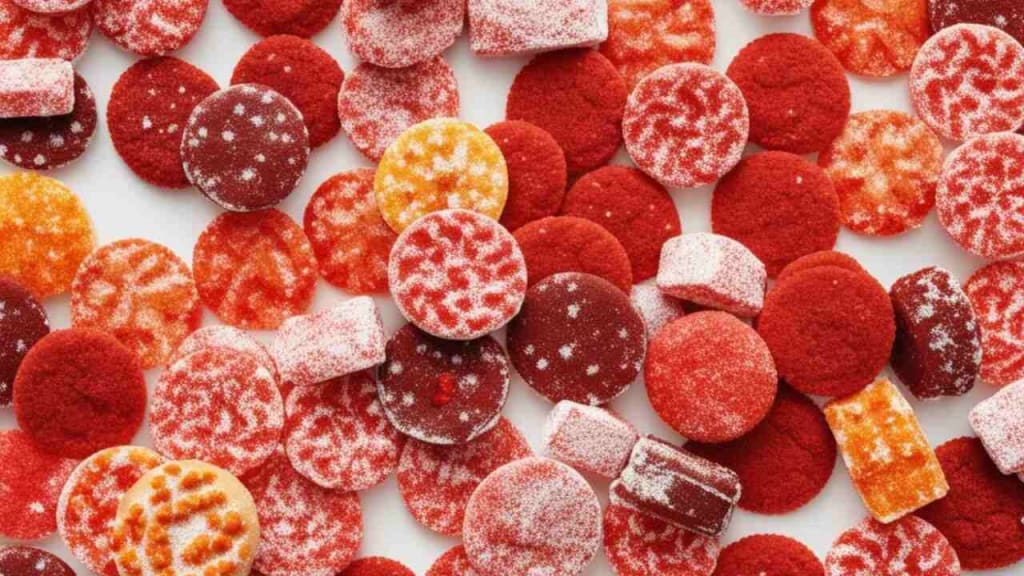
FDA Bans Red Dye No. 3: What It Means for Your Health and Everyday Products
The U.S. Food and Drug Administration (FDA) has officially banned Red Dye No. 3, marking a significant step in the regulation of synthetic additives in food, beverages, and ingested medications. This move addresses longstanding concerns about the potential health risks associated with the dye, which has been linked to cancer in animal studies. The decision impacts a wide variety of products, from candies to over-the-counter medications, and has sparked discussions on food safety and consumer health.
What is Red Dye No. 3?
Red Dye No. 3, also known as erythrosine or FD&C Red No. 3, is a synthetic dye used to give products a bright cherry-red color. Derived from petroleum, it has been widely utilized in the food and pharmaceutical industries for decades. In 1990, the FDA banned its use in cosmetics and topical medications due to evidence of its carcinogenic effects in animal studies. However, the dye has continued to be allowed in food, beverages, and ingested drugs—until now.
The dye's vibrant red color made it a popular choice for many manufacturers, particularly for products aimed at children. Yet, its safety has been questioned repeatedly. The FDA's recent ruling to ban Red Dye No. 3 is a long-awaited response to growing consumer concerns and scientific evidence highlighting its risks.
Why Was Red Dye No. 3 Banned?
The FDA’s decision was influenced by a petition filed in 2022 by several health advocacy groups. The petition cited studies showing that high doses of Red Dye No. 3 caused thyroid cancer in male lab rats. Although the FDA maintains that the risk to humans is minimal at typical consumption levels, the Delaney Clause of the Federal Food, Drug, and Cosmetic Act requires banning any additive shown to cause cancer in animals or humans at any dose.
This decision aligns the U.S. with countries such as those in the European Union, which banned Red Dye No. 3 in 1994. The ban reflects a growing global consensus on the need to prioritize consumer safety over synthetic additives.
Timeline for the Ban
The FDA has set specific timelines for phasing out Red Dye No. 3:
Food and Beverage Products: Manufacturers must eliminate Red Dye No. 3 from these products by January 15, 2027.
Ingested Medications: The ban extends to medications by January 18, 2028, giving pharmaceutical companies more time to reformulate.
Products Containing Red Dye No. 3
Red Dye No. 3 has been a common ingredient in numerous products, including:
Candies: Popular items such as Brach’s Candy Corn, Peeps, and Pez candies.
Baked Goods: Products like Entenmann’s Little Bites Party Cake Mini Muffins.
Dairy and Frozen Desserts: TruMoo Strawberry Milk and other artificially colored dairy products.
Fruit Products: Kroger Extra Cherry canned fruit cocktail.
Beverages: Ensure Original Strawberry Shake and Yoo-hoo Strawberry Drink.
Medications and Gummy Vitamins: Certain formulati ons of Tylenol PM and multivitamins for children.
Health Concerns and Consumer Guidance
Although the FDA downplays the immediate health risk to humans, advocacy groups warn that children may be at greater risk due to their higher consumption of artificially colored products. The potential health impacts of Red Dye No. 3, combined with the growing demand for natural and safe ingredients, make it essential for consumers to be informed.
How to Avoid Red Dye No. 3:
1. Read Ingredient Labels: Check for "Red 3," "FD&C Red #3," or "Erythrosine" on packaging.
2. Limit Processed Foods: Many ultra-processed foods contain synthetic dyes. Choosing whole or minimally processed options can help reduce exposure.
3. Choose Natural Alternatives: Look for products colored with natural ingredients like beet juice, turmeric, or paprika extract.
Industry Response
Manufacturers are already taking steps to adapt to the new regulations. Many companies have been phasing out artificial dyes in response to consumer preferences for natural and healthier products. Ferrara, the maker of Brach’s candies, has removed Red Dye No. 3 from most of its products and is working to eliminate it entirely.
This shift isn’t just about compliance; it’s also about meeting the growing demand for clean-label foods. More consumers are prioritizing products free from synthetic additives, making the transition to natural dyes a smart business move.
The Bigger Picture: Food Safety and Public Health
The ban on Red Dye No. 3 is part of a broader effort to enhance food safety and reduce exposure to potentially harmful substances. Over the years, consumers have become increasingly aware of the health impacts of artificial additives, leading to a shift toward cleaner, more natural products.
This change also reflects a shift in regulatory priorities. By addressing concerns about synthetic dyes, the FDA is sending a message that public health comes first. While some critics argue that the ban took too long, it’s a step in the right direction for ensuring safer food and medication options for everyone.
What Comes Next?
As the implementation dates approach, consumers should stay informed and vigilant. Reading ingredient labels and choosing natural alternatives can help reduce exposure to synthetic dyes like Red Dye No. 3. Additionally, the food and pharmaceutical industries will likely continue to innovate and find safer, natural solutions for coloring products.
The FDA’s decision to ban Red Dye No. 3 is a win for consumer health and safety. It highlights the importance of prioritizing science-backed regulations and empowering consumers to make informed choices. By phasing out harmful additives, we’re taking another step toward a healthier future for all.
About the Creator
Reader insights
Nice work
Very well written. Keep up the good work!
Top insight
Expert insights and opinions
Arguments were carefully researched and presented
Fair Exchange, No Robberies
Dark Memoirs - Index There are at least two kinds of people in the world: those who write this half-arsed kind of intro to a story that looks to separate the rare and the norm, and those who realise it's an overused framing device and don't.
By Paul Stewart15 days ago in Chapters




Comments (1)
See now is the time to start with the other ones too, Red 40 etc. This is beyond long over due, and I'm glad they finally stepped up and are doing something about this. Well done!