
What is the penile Cancer, symptoms, treatment and patient story
Symptoms and treatment of penile Cancer, prevention of penile Cancer

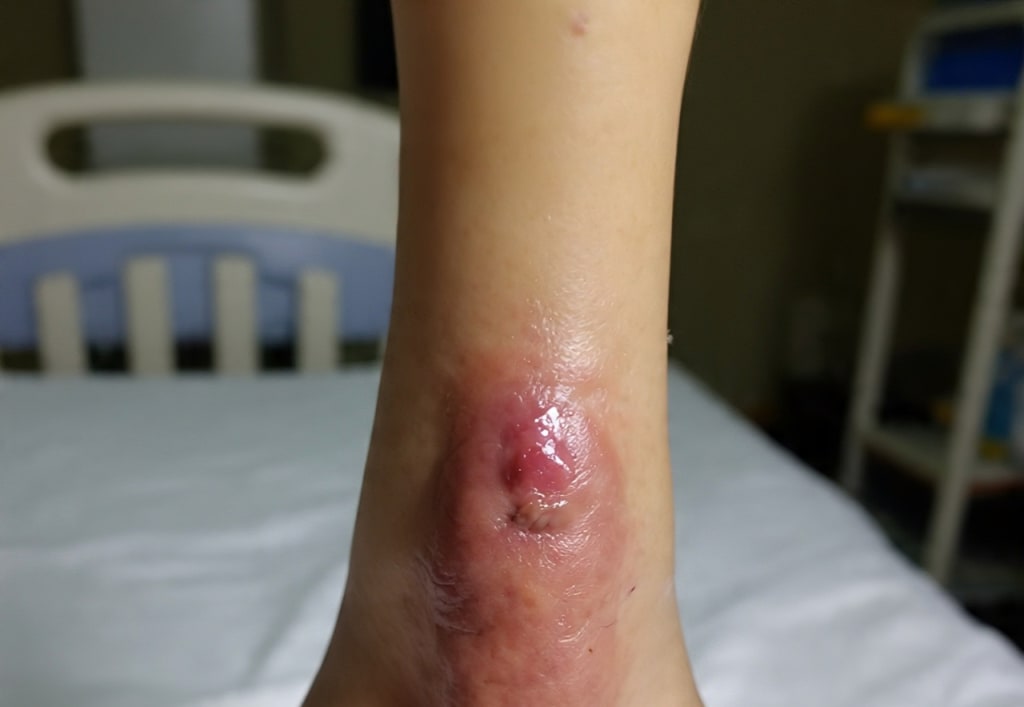
- New type of cancer/ penile Cancer
João, a 63-year-old man from Brazil, first visited a doctor in 2018 when he noticed an unusual swelling and discomfort in his genital area. Despite repeated hospital visits, doctors initially dismissed his condition as excess skin and prescribed him basic medication.
However, the prescribed treatments did not help, and the lump continued to grow. Concerned by the lack of improvement, João sought the opinion of a specialist. The expert recommended new medication and conducted several diagnostic tests, including a biopsy of the penile skin.
The situation was frustrating João said None of the tests were showing clear results, and doctors just kept giving me different medicines, but nothing was working.
This uncertainty lasted for nearly five years until 2023, when João was referred to the Cancer Institute of the State of São Paulo by a public hospital. After undergoing a thorough examination, he was finally diagnosed with penile cancer.
The diagnosis came as a shock to João and his family. Due to the delay in diagnosis, his condition had progressed significantly, and doctors had no choice but to perform surgery to remove his penis.
I felt like I'd lost a part of myself, João shared. "This kind of cancer is hard to talk about. People often laugh instead of understanding.
Rising Cases of Penile Cancer in Brazil
According to Brazil’s Society of Urology and the Ministry of Health, there has been a noticeable rise in penile cancer cases in recent years. From 2013 to 2022, around 19,000 men in Brazil were diagnosed with the disease.
Dr. Diogo Abreu from the National Institute of Urology explained that many men avoid visiting doctors out of embarrassment or due to lack of access to proper healthcare. Instead, they rely on advice from friends or local pharmacists, which often delays accurate diagnosis and effective treatment.
Experts emphasize that delayed medical attention allows the cancer to advance, increasing the likelihood of requiring complete surgical removal of the penis.
Brazil ranks third globally in terms of mortality from penile cancer. A 2020 international survey by the National Institute of Urology reported 4,760 deaths from this cancer in India, 1,565 in China, and 539 in Brazil.
In response, Brazil’s Ministry of Health has announced plans to invest more in healthcare policies to improve early diagnosis and treatment of cancer.
Understanding and Preventing Penile Cancer
Like many other types of cancer, penile cancer is treatable, especially if caught early. Dr. Abreu noted that this form of cancer is rare in wealthy countries but more prevalent in low-income regions.
Maurício Cordeiro, a coordinator at the Uro-Oncology Department, stressed the importance of maintaining good hygiene and nutrition. “Healthy food and early diagnosis are key to prevention and cure,” he said.
Uncircumcised men are particularly at risk, as the foreskin can make genital hygiene more difficult, potentially leading to fungal infections and inflammation.
Symptoms and Treatment Options
Dr. Abreu advised that any persistent sore or wound on the penis that does not heal should be immediately examined by a doctor. Other symptoms include skin thickening, color changes, bad odor, and persistent irritation.
To reduce risk, experts recommend the following preventive steps:
Wash the penis daily with soap and water
Maintain cleanliness after sexual activity
Avoid smoking
Use condoms during intercourse
These symptoms don't always mean penile cancer. You could have an infection or an allergic reaction. But it's important to get checked out so that if you do end up with penile cancer, you can get treatment early and prevent it from spreading.
Dr. Ronni de Carvalho Fernandes added that in the early stages, only the affected skin might need to be removed. However, in advanced cases, full surgical removal of the penis may be necessary.
Written by Hashim khan
About the Creator
Keep reading
More stories from Real content and writers in Chapters and other communities.
Why does our breath smell bad and how can we get rid of it?
Bad Breath Keeping You Away from People? Here's What You Can Do Do you also hesitate to get close to people because of bad breath? If yes, don’t worry — it’s a common issue and thankfully, there are effective solutions.
By Real content7 months ago in Chapters
Bruce Lee and The God of War: Kuan Ti
It starts with love.. The Power to the God Of War and Wealth Walk into a Chinese restaurant (even in Oklahoma, USA), a Chinese police station, a kung fu martial arts studio or even a Chinese temple and you often see a red faced warrior holding a heavy quan-do (spear like weapon).
By WILD WAYNE : The Dragon King12 days ago in Chapters
Is Living For Your Hobbies A Good Thing
When we live life do we do so for our hobbies or do we just live life to live life. Living life for your hobbies is a good thing but how can we live life for the hobbies that we have? Is it just doing the hobbies that we enjoy. Is it to make our lives the way we want to with doing the hobbies that make life the best it is for us. The more we put our hobbies and life together the more we will be living life for the hobbies that we have, and yes living for your hobbies is a good thing because, you get so much more out of life when you put your hobbies into your life. Reading, writing, blogging, re-organizing things. Just live life the way that works for you. Figure out what hobbies work for you and you will have so much more happening in life as you figure out how to put your life and hobbies together. The more you put your hobbies and life together the more you will be living for the two things and the better you will feel if you try to do this.
By Louise Barraco7 days ago in Chapters


Comments
There are no comments for this story
Be the first to respond and start the conversation.