
Unleashing the Hidden Magic of Oromo Coffee Culture
Coffee is not only a beverage

Introduction
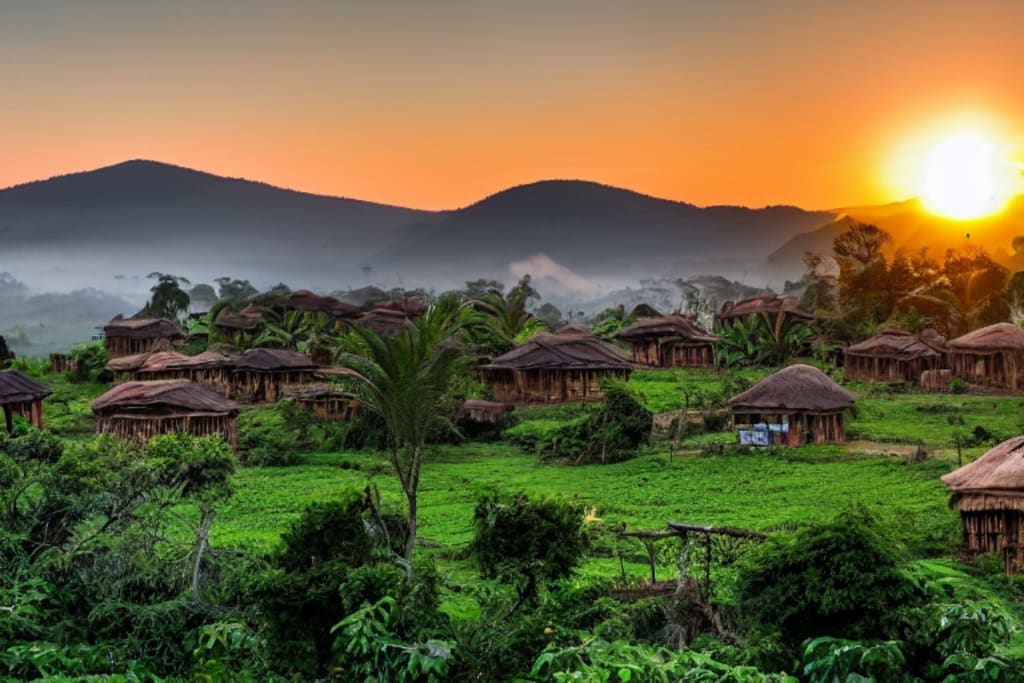
In Ethiopia, coffee holds a much broader role in Oromo culture than just a drink. It is a significant cultural symbol, a traditional medicine, a staple food, and a main element in ritual performances. The Oromo people have a long history of farming coffee, and it's a big part of their identity. This connection to coffee shows how much they value farming and community.
This article is referenced from the following academic sources. Thank you to author Bula Sirika Wayessa for his helpful scientific articles.
Spiritual Significance and Myths
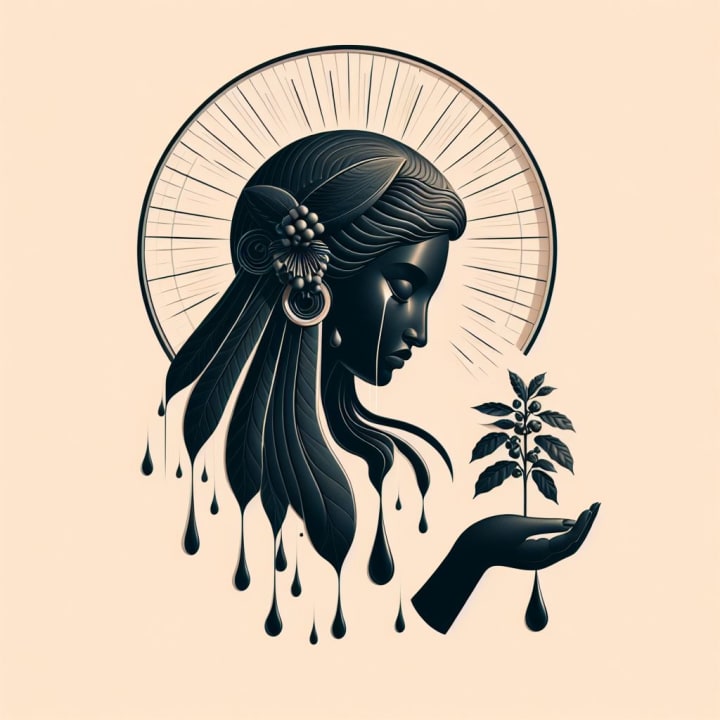
Interestingly, the Oromo people cherish a poignant legend that the first coffee plant sprouted from the tears of Waaqa, their God. The Oromo believe their coffee is sacred, so each cup of coffee is a spiritual experience for them. This belief fosters a profound respect for the coffee plant, elevating its status beyond mere consumption to a divine gift that connects them to their spirituality and heritage. Coffee plant is a symbol of their connection to their spirituality and heritage.
Economic Impact and Sustainable Practices
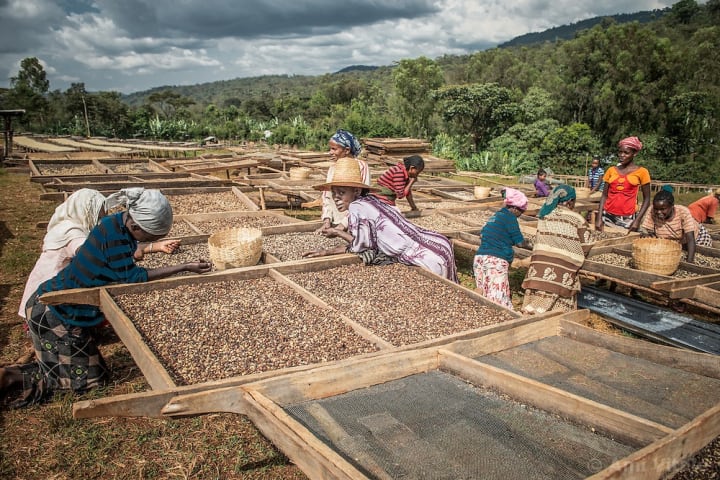
Significantly, coffee cultivation is a cornerstone of economic stability for the Oromo. Thus, it provides a primary source of income, supports family needs, and pays local taxes.
Oromo coffee cultivation shows deep respect for the environment. Coffee plants are grown to provide shade for animals, and farming practices prioritize ecological balance. They don’t prune unproductive plants to show a commitment to sustainable land management.
Coffee: A Symbol of Fertility and Unity
For the Oromo, the ever-green coffee plant symbolizes fertility and divine blessing. Cultivating coffee enriches the earth, pleasing Waaqa — their God. The coffee ceremony symbolizes shared beliefs and reinforces the community’s unity.
Buna Qalaa: A Culinary Tradition
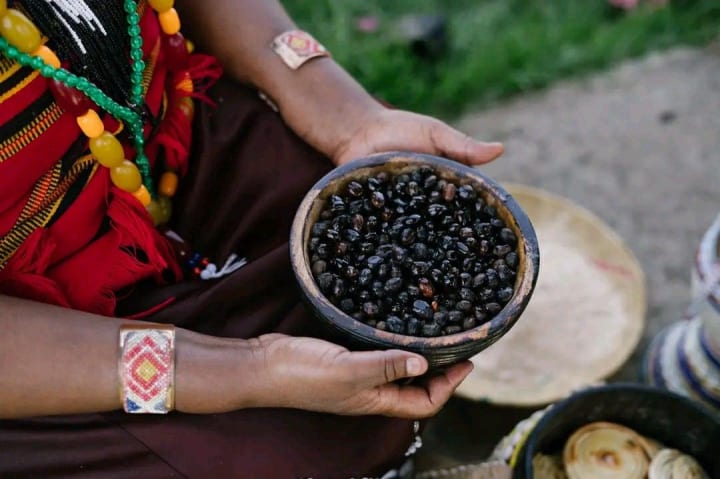
‘Buna Qalaa,’ or ‘slaughtering coffee,’ is a traditional dish with a long history. Initially, it served as a source of high energy for warriors. Buna Qalaa, made from coffee berries mixed with butter, symbolizes endurance and vitality. Today, it remains a cultural staple food, often enjoyed during celebrations and gatherings.
Pottery and Coffee Culture: Crafted Traditions
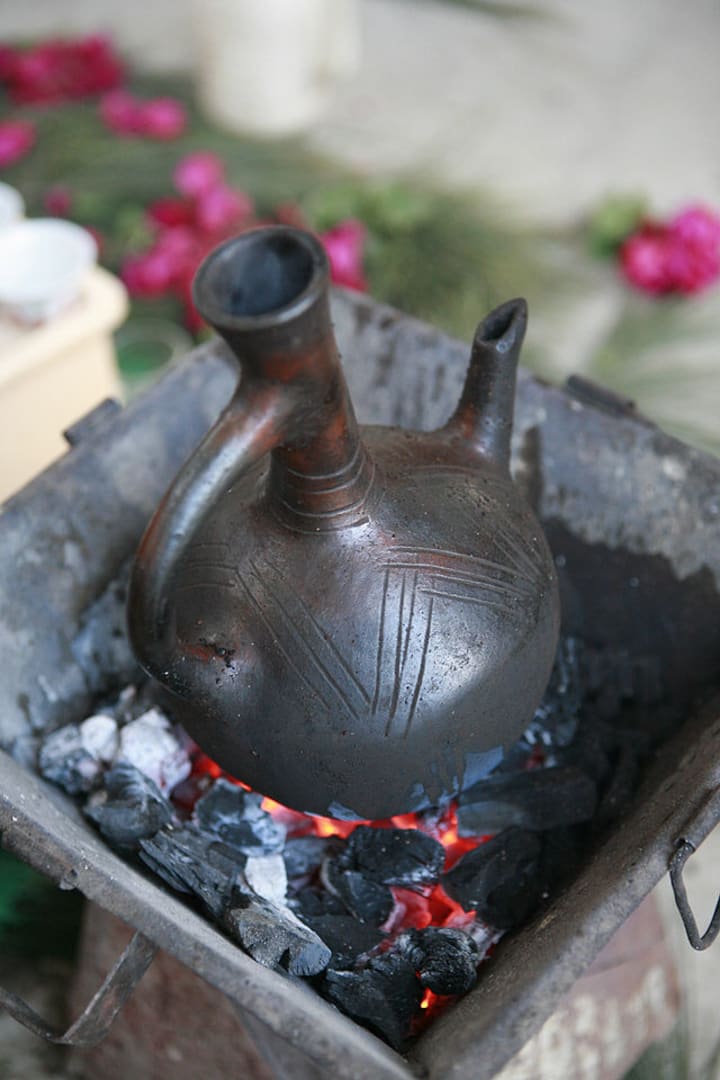
In Oromo culture, pottery is an essential part of the coffee ceremony. Each pot, especially the traditional ‘Jabanaa,’ is highly revered as a spiritual vessel. Oromo people always treated their Jabanaa with great respect. They symbolize the skill and wisdom of Oromo ancestors.
Spiritual and Social Dimensions of Coffee Ceremonies
During these ceremonies, elders recite prayers such as “Bunaa fi nagaa nuuf kenni” (give us coffee and peace) and “Manaan fi ollaan nuuf toli” (bless our home and our neighbours), promoting themes of peace and community harmony. A woman holds the hot ‘Jabanaa’ praying for protection and fullness, showing their spiritual leading role in the community.
Coffee Ceremonies: A Social and Educational Platform
The coffee ceremony is also a necessary educational time. Oromo elders tell stories and traditions to the younger generation. The ceremony is a space for women to discuss social matters and participate in the community as leaders. This dynamic fosters a sense of belonging and continuity, ensuring that cultural knowledge is preserved and passed down through generations.
Conclusion: A Symbol of Unity and Heritage
From its mystical origins to its role in modern Oromo society, coffee remains a symbol of nourishment, unity, and heritage. This rich tradition show the complex relationship between people, environment, and beliefs. Help us to see a fresh perspective on the cultural significance of coffee beyond its global role as a commodity. By understanding these deeper connections, we can appreciate coffee not just as a beverage, but as a vital thread in the fabric of Oromo culture and identity.
About the Creator
Pham Duc Toan
Family, strong bonds, and the perfect cup of coffee—that's my world. I'm sharing my experiences, the good, the challenging, and the deep thoughts.
Keep reading
More stories from Pham Duc Toan and writers in Chapters and other communities.
Search for a Sister, Chapter Two
4-H-N heard not a word about her secret mission around Headquarters over the following days, so had to conclude either Mini-Flash Phytolith hadn’t been listening in after all, or she’d misjudged him. She hoped it was the latter, as she wanted the pair of them to get on, even if he wasn’t going out of his way to make it easy for her.
By Doc Sherwood18 days ago in Chapters
Businesswoman 359
A trail of vodka like a transparent blood line on the floor. Socialista picked up the bottle and chugged. “We’ve gotta hit them with the idea that we’re prepared to knock over their rocket. It’s against the environment and the welfare of the Earth,” Socialista swallowed and announced.
By Skyler Saundersa day ago in Chapters



Comments
There are no comments for this story
Be the first to respond and start the conversation.