
The Secret Life of Pets
What Do Our Pets Do When We’re Not Around?

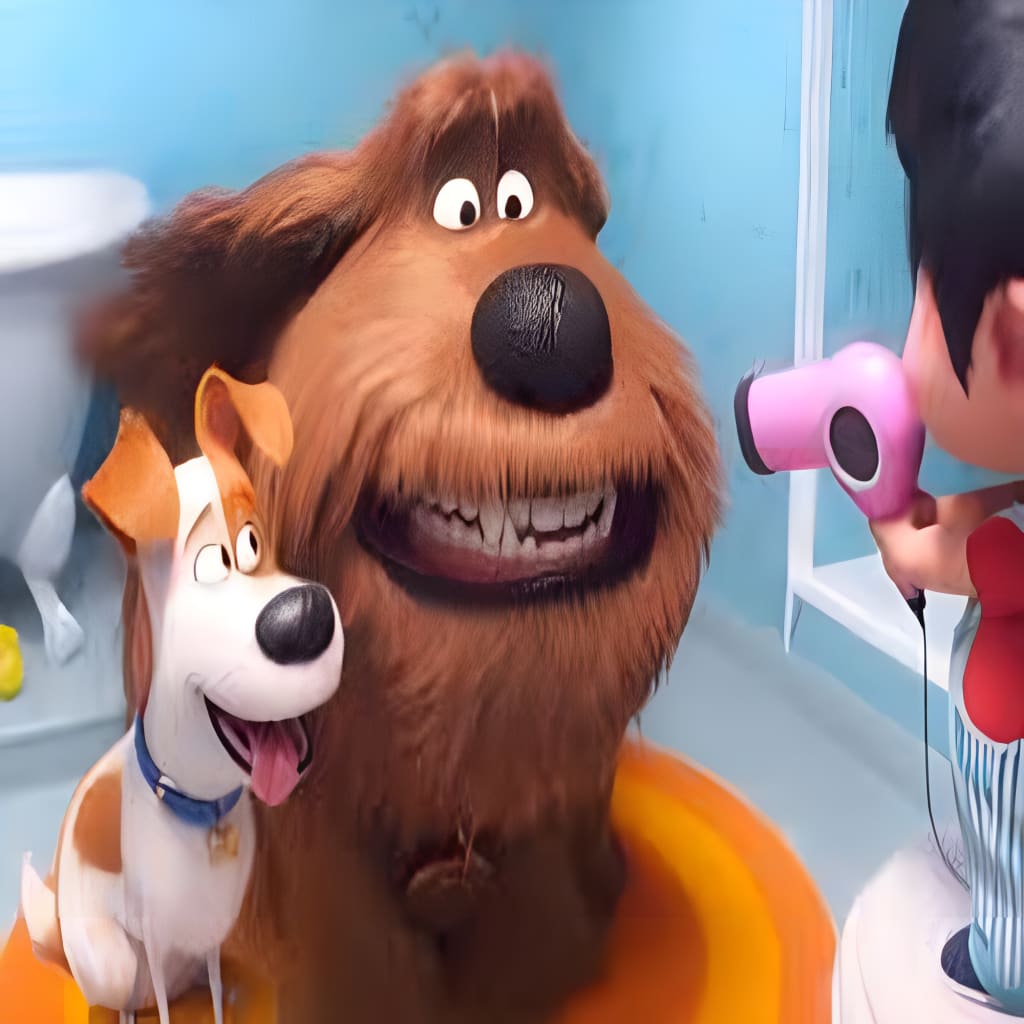
Have you ever wondered what your pet does when you’re not home? Do they wait patiently for your return, or do they embark on wild adventures while you’re gone? The idea of pets having their own secret lives has captured the imaginations of many pet owners, especially after the popular animated movie The Secret Life of Pets was released in 2016.
The thought of our pets living double lives—one we know about and one we don’t—is both funny and intriguing. While it’s unlikely that our pets are running off to secret meetings or organizing adventures with other animals, they do have their own behaviors and routines when they’re left alone. In this article, we’ll explore the concept of pets’ “secret lives” and what science and observation have taught us about what pets really do when we’re not around.
Pets and Their Unique Personalities
One of the most fascinating aspects of owning a pet is getting to know their unique personality. Just like people, pets have their own likes, dislikes, habits, and quirks. Some pets are independent and enjoy having time to themselves, while others are more social and may feel anxious or lonely when left alone.
For example, dogs are known for being loyal companions, and many dogs experience separation anxiety when their owners leave. They might bark, whine, or scratch at the door, eagerly waiting for their human to return. On the other hand, cats are often seen as more independent animals. While some cats miss their owners when they’re gone, others seem perfectly content to nap, explore, or play on their own.
Birds, rabbits, hamsters, and other small animals also have their own personalities and ways of coping with being alone. Some birds might sing or chirp to pass the time, while hamsters and guinea pigs may spend hours running on their wheels or exploring their enclosures.
The Science Behind Pets’ Behavior When Alone
Studies on animal behavior have given us some insight into what pets do when they’re left alone. Most of the time, pets spend their alone time in a pretty predictable way: they sleep, eat, play with toys, or explore their surroundings.
Dogs: Dogs are known for their loyalty, and many dogs have a strong attachment to their owners. When left alone, some dogs may feel stressed or anxious, especially if they have separation anxiety. However, many dogs eventually settle down and spend most of their time sleeping. Some dogs will find a comfortable spot near the door or window, where they can watch for their owner’s return.
Research shows that dogs are creatures of habit and routine. They often follow the same patterns each day, such as napping at certain times or checking the food bowl for leftovers. If a dog is comfortable and secure in their environment, they’re likely to spend their time resting or playing with toys while their owner is gone.
Cats: Unlike dogs, cats tend to be more independent, and they are often less affected by their owner’s absence. Cats are natural hunters, and even indoor cats retain their hunting instincts. When left alone, they might explore the house, stalk imaginary prey, or play with their favorite toys. Cats are also known for their love of naps, and it’s not uncommon for a cat to sleep for several hours while their owner is away.
Studies on cat behavior suggest that cats are more relaxed when they have access to high places (like shelves or windowsills) where they can observe their surroundings. Many cats enjoy watching birds or other wildlife from the window, which can keep them entertained for hours.
Small Animals: Pets like rabbits, guinea pigs, hamsters, and birds have different needs and behaviors compared to cats and dogs. These animals are usually kept in cages or enclosures, but that doesn’t mean they’re bored when their owners aren’t around. Small animals are often active, and they may spend their alone time running on wheels, chewing on toys, or exploring their space.
Birds, for example, may spend their time singing, grooming their feathers, or playing with hanging toys. Rabbits are known for being curious and may hop around their enclosure, nibbling on hay or playing with toys designed for mental stimulation.
How to Keep Pets Entertained While You’re Away
Since pets spend a significant amount of time alone while their owners are at work or school, it’s important to make sure they have enough mental and physical stimulation to keep them happy and healthy.
Here are some ways to keep pets entertained while you’re not home:
Toys and Puzzles: Providing your pet with toys and puzzle feeders can help keep them engaged while you’re away. For dogs, interactive toys like treat-dispensing puzzles or chew toys can provide mental stimulation and prevent boredom. Cats might enjoy chasing a laser pointer, playing with feathered toys, or exploring a new scratching post.
Comfortable Spaces: Make sure your pet has a comfortable, safe space where they can relax. For dogs, this might be a cozy bed or blanket in a quiet room. Cats often prefer high places, so providing a perch near a window can give them a place to watch the outside world.
Background Noise: Some pets, especially dogs, may feel calmer if there’s background noise while you’re gone. Leaving the radio or TV on at a low volume can create a comforting environment and make them feel less alone.
Pet Cameras: For owners who want to keep an eye on their pets while they’re away, pet cameras are a great solution. These cameras allow you to check in on your pet throughout the day, and some even have built-in speakers so you can talk to your pet or give them a treat remotely.
Exercise Before You Leave: Pets with a lot of energy can become restless or bored when left alone. To help prevent this, give your pet plenty of exercise before you leave the house. Taking your dog for a walk or playing with your cat before you go can help them burn off excess energy, making them more likely to relax while you’re gone.
Do Pets Miss Us When We’re Gone?
Many pet owners wonder whether their pets miss them when they’re not around. While it’s hard to know exactly what’s going on in an animal’s mind, research suggests that pets do form strong bonds with their owners and are likely to miss them during long absences.
Dogs, in particular, are known for their loyalty and attachment to their owners. Studies have shown that dogs can recognize their owner’s scent and voice, and they often show signs of excitement and joy when their owner returns home.
Cats, on the other hand, are more independent, but that doesn’t mean they don’t miss their owners. Cats can form strong bonds with their human companions, and they often show affection by rubbing against their owners or sitting close by when they’re home.
Conclusion: The “Secret Life” of Pets
While it’s fun to imagine our pets leading secret lives full of adventure while we’re away, the truth is often much simpler. Most pets spend their alone time napping, playing with toys, or quietly waiting for their owners to return. However, the bond between pets and their owners is strong, and pets are likely to miss us just as much as we miss them when we’re apart.
By understanding our pets’ needs and providing them with a stimulating environment, we can ensure they’re happy and healthy, even when we’re not there to see what they’re up to. Whether they’re dogs, cats, birds, or small animals, our pets have their own unique ways of spending their time, and part of the joy of being a pet owner is discovering those little secrets.
About the Creator
Farhan Sayed
Hi, I’m Farhan Sayed 🌹! I’m here to share stories, thoughts, and maybe sprinkle a little magic along the way. ✨
💡 Passion for:
Exploring new ideas 🧠
Writing from the heart ❤️
Inspiring and connecting with amazing souls like you 🌍
Keep reading
More stories from Farhan Sayed and writers in Chapters and other communities.
The Darker Side of Life
Life is full of ups and downs, and while many of us experience joy, love, and happiness, there are also moments when life can feel heavy, difficult, and dark. Everyone goes through tough times—whether it’s dealing with loss, failure, loneliness, or uncertainty—and these experiences can make us feel overwhelmed, hopeless, or lost. However, understanding that these darker moments are part of life can help us find ways to cope, heal, and eventually find the light again.
By Farhan Sayed2 years ago in Chapters
Brass Ring Interlude 5: The Importance of Being Earnest
Fleaboy jumped between buildings. He liked that Overton didn’t have any skyscrapers; it made his particular mode of travel that much easier. He liked the wind rushing through his hair; he had even designed his mask so that he could feel the wind as he jumped, and had to keep his hair at a very specific length (too long and it whipped in his face, too short and he missed the sensation). He flipped with every jump so he could see if someone was in trouble. Fortunately, today was mostly boring. Weird, considering the panic the capes community is in.
By Jamais Jochim5 days ago in Chapters
Why Didn't Anyone Tell Us
Men, move along. This is not for you. This is for the women. I was forty-five when I began menopause. It is pretty young for that to be going on in a woman’s life, but I had undiagnosed PCOS, my entire life. Thank you to all the gynecologists I had seen my entire life. That in itself should encourage women to keep seeking second opinions, especially when you are not getting correct answers or any at all.
By Alexandra Grant5 days ago in Humans




Comments (1)
This is such a funny movie