
The Future of Industrial Automation: How Advanced Robotics is Transforming Manufacturing
In today's rapidly evolving industrial landscape, the integration of cutting-edge robotics technology has become not just an advantage, but a necessity for manufacturers seeking to maintain competitive edge. As we witness the fourth industrial revolution unfold, companies worldwide are discovering that the strategic implementation of robotic systems can dramatically enhance productivity, precision, and operational efficiency across diverse manufacturing sectors.
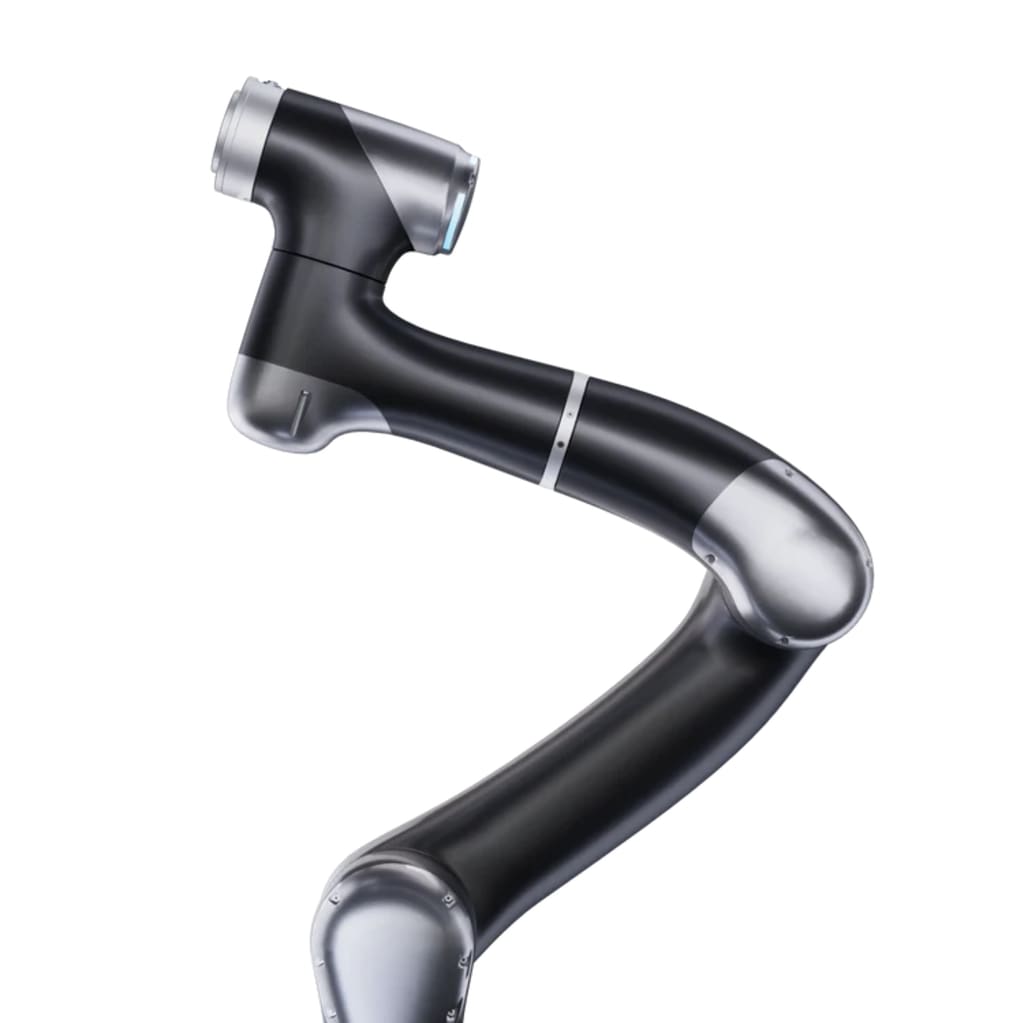
The Current State of Industrial Robotics
The global robotics market has experienced unprecedented growth over the past decade. According to the International Federation of Robotics (IFR), the installation of industrial robots reached a record high of 517,385 units in 2021, representing a 31% increase from the previous year. This surge reflects a fundamental shift in how manufacturers approach production challenges, with robotics emerging as a critical solution for addressing labor shortages, quality consistency, and operational scalability.
Tesla CEO Elon Musk has frequently emphasized the importance of automation in manufacturing, stating, "The factory is the product." This philosophy underscores how modern manufacturing success increasingly depends on the seamless integration of robotic systems that can operate with minimal human intervention while maintaining exceptional precision and reliability.
Key Applications Driving Robotic Adoption
Precision Assembly and Quality Control
One of the most significant applications of advanced robotics lies in precision assembly operations. Modern robotic systems equipped with sophisticated vision systems and tactile sensors can perform intricate assembly tasks with sub-millimeter accuracy. Companies like BMW have successfully implemented robotic assembly lines that not only improve production speed but also enhance quality consistency across their vehicle manufacturing processes.
The integration of AI-powered vision systems allows robots to perform real-time quality inspection, identifying defects that might escape human detection. This capability has proven invaluable in industries where product quality directly impacts safety and performance, such as aerospace and medical device manufacturing.
Material Handling and Logistics
Warehouse automation has become another critical area where robotics technology demonstrates its transformative potential. Amazon's implementation of Kiva robots in their fulfillment centers exemplifies how robotic systems can revolutionize logistics operations. These systems have reduced order processing times by up to 75% while significantly improving inventory accuracy.
Jeff Bezos, Amazon's founder, once noted, "We're not trying to replace humans with robots. We're trying to make humans more productive." This perspective highlights how effective robotic implementation focuses on augmenting human capabilities rather than simply replacing workers.
Collaborative Manufacturing Environments
The emergence of collaborative robots, or "cobots," has opened new possibilities for human-robot interaction in manufacturing environments. Unlike traditional industrial robots that operate in isolated cells, cobots are designed to work safely alongside human operators, combining the precision and consistency of robotics with human creativity and problem-solving abilities.
Universal Robots, a pioneer in collaborative robotics, has demonstrated how cobots can be rapidly deployed across various manufacturing tasks without extensive safety infrastructure modifications. Their success stories include applications ranging from machine tending to packaging operations across diverse industries.
Technological Innovations Shaping the Future
Artificial Intelligence Integration
The convergence of robotics and artificial intelligence has created unprecedented opportunities for adaptive manufacturing systems. AI-powered robots can learn from experience, optimize their performance over time, and adapt to changing production requirements without extensive reprogramming.
Dr. Rodney Brooks, renowned roboticist and former MIT professor, has observed, "The real revolution in robotics is not about making robots more human-like, but about making them more intelligent and adaptable to real-world challenges." This insight captures the essence of current technological developments in the robotics industry.
Advanced Sensing Technologies
Modern robotic systems incorporate sophisticated sensing technologies that enable them to interact more effectively with their environment. Force/torque sensors, advanced vision systems, and tactile feedback mechanisms allow robots to perform delicate operations that previously required human dexterity.
Companies specializing in robotic solutions, such as those developing revopoint robot technologies, are continuously pushing the boundaries of what's possible in terms of sensory integration and environmental awareness. These advances are making robotics accessible to smaller manufacturers who previously couldn't justify the investment in automation technology.
Cloud Connectivity and Data Analytics
The integration of cloud computing with robotics has enabled new levels of operational intelligence and predictive maintenance. Robots can now share performance data, learn from collective experiences, and receive updates that improve their capabilities over time.
This connectivity allows manufacturers to optimize their robotic systems continuously, reducing downtime and improving overall equipment effectiveness (OEE). The ability to analyze performance data across multiple robotic installations provides insights that drive continuous improvement in manufacturing processes.
Industry Case Studies and Success Stories
Automotive Manufacturing Revolution
The automotive industry has long been at the forefront of robotic adoption, but recent innovations have taken automation to new levels. Ford Motor Company's implementation of advanced robotic welding systems has improved production quality while reducing cycle times by 20%. These systems utilize real-time feedback to adjust welding parameters, ensuring consistent quality across thousands of vehicles.
Electronics Manufacturing Precision
In the electronics industry, where component miniaturization demands extreme precision, robotic systems have become indispensable. Apple's manufacturing partners have implemented sophisticated robotic assembly lines that can handle components measured in micrometers while maintaining the quality standards required for consumer electronics.
Pharmaceutical and Medical Device Production
The pharmaceutical industry has embraced robotics for applications requiring sterile environments and precise handling. Companies like Pfizer have implemented robotic systems for vaccine production that not only improve consistency but also enhance safety by reducing human exposure to potentially hazardous materials.
Future Outlook and Industry Implications
As we look toward the future, several trends are shaping the evolution of industrial robotics. The continued advancement of artificial intelligence, improvements in sensor technology, and the development of more intuitive programming interfaces are making robotics accessible to a broader range of manufacturers.
Marc Benioff, CEO of Salesforce, has noted, "The future of work is not about humans versus robots, but humans with robots." This collaborative vision represents the direction many industries are heading, where robotics augments human capabilities rather than replacing them entirely.
The integration of 5G connectivity promises to enable new levels of real-time coordination between robotic systems, potentially creating fully orchestrated manufacturing environments where multiple robots work in perfect harmony to achieve production goals.
Conclusion
The transformation of manufacturing through advanced robotics represents one of the most significant technological shifts of our time. As companies continue to discover new applications for robotic technology, the focus is shifting from simple automation to intelligent, adaptive systems that can respond to changing market demands with unprecedented flexibility.
The success stories emerging from various industries demonstrate that robotics is not just about replacing human workers, but about creating more efficient, safer, and more productive manufacturing environments. Companies that embrace this technology today are positioning themselves for success in an increasingly competitive global marketplace.
As we move forward, the continued evolution of robotic technology, including innovations from companies developing revopoint robot solutions and similar advanced systems, will undoubtedly unlock new possibilities for manufacturing excellence. The future belongs to organizations that can successfully integrate these technologies while maintaining focus on human creativity and innovation.
About the Creator
How Iran Attacks Are Affecting Pakistani Workers in Dubai and the Gulf
Until a few days ago my work was going very well, but now several days pass without getting any work. Over the past five years I manageid to pay off the debts that were on me and my family. Now my goal was to build my own house. But if the situation continues like this, it may even become difficult to earn a living in Dubai.”
By Real content7 days ago in Chapters


Comments