
The COVID vaccines have reduced the pandemic-related surge in preemie births.
Covid-19 vaccine.

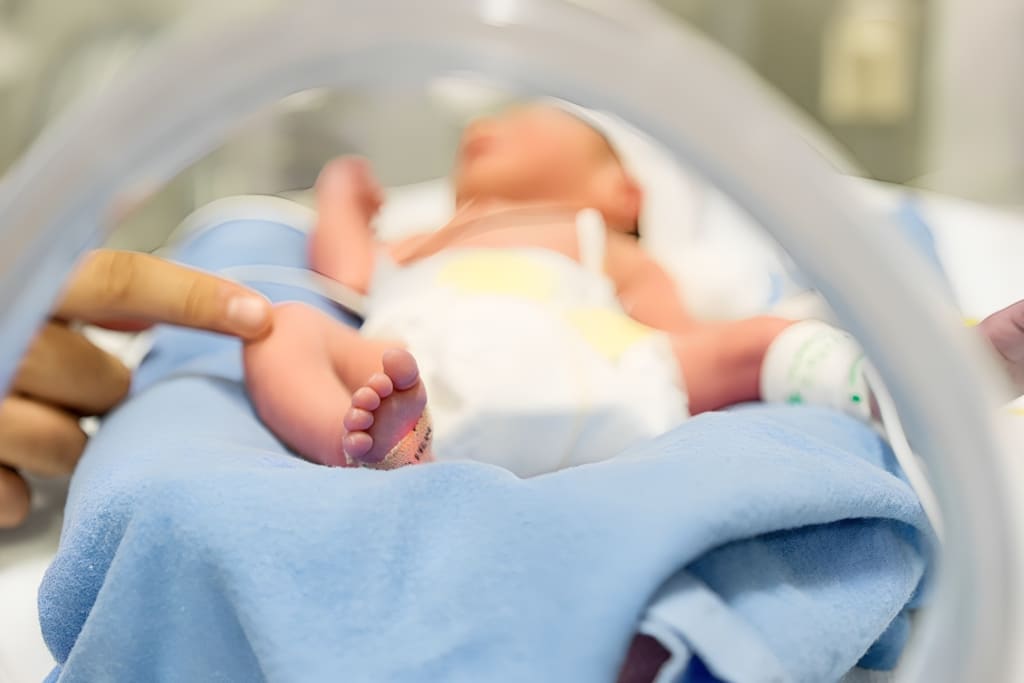
An important recent study reveals that the introduction of COVID vaccines has effectively safeguarded the lives and well-being of numerous infants by averting their premature births. Initially, the outbreak of COVID-19 led to a concerning rise in premature birth rates; however, these rates have now reverted back to levels observed before the pandemic, thanks to the implementation of vaccines, as per the findings of researchers.
These findings suggest that getting vaccinated against COVID-19 can help reduce the risk of preterm birth among pregnant women. The research conducted by Jenna Nobles and her colleagues at the University of Wisconsin-Madison analyzed a large dataset of California birth records and found that as the virus spread in 2020, there was a higher likelihood of COVID-infected pregnant women giving birth prematurely. However, as COVID vaccines became available in early 2021, the excess risk of preterm birth decreased and eventually disappeared in 2022.
This information is crucial in addressing vaccine hesitancy among pregnant women. According to Nobles, the evidence is compelling that not getting vaccinated is what can actually harm the fetus. By sharing this message with concerned patients, healthcare practitioners can help alleviate fears and encourage pregnant women to get vaccinated.
The study also sheds light on how the COVID virus can impact pregnancies. It can cause inflammation and immune responses that can damage the placenta, leading to potential harm for both the mother and the fetus. Understanding these potential risks can further emphasize the importance of vaccination for pregnant women.
Overall, the research conducted by Nobles and her team provides valuable insights into the relationship between COVID infection during pregnancy and preterm birth. It highlights the benefits of vaccination in reducing this risk and emphasizes the potential harm that not getting vaccinated can pose to the fetus. By disseminating this information, healthcare professionals can play a crucial role in addressing vaccine hesitancy and promoting the health and well-being of pregnant women and their babies.
Additionally, the study's findings highlight the potential for vaccines to not only protect pregnant individuals from COVID-19 but also improve overall maternal and child health outcomes. Preterm birth is a significant concern globally, as it is a leading cause of infant mortality and can lead to long-term health issues for the child.
The immune-boosting effects of vaccines can help prevent infections that may trigger preterm labor, reducing the risk of premature birth. This is especially crucial during the COVID-19 pandemic, as pregnant individuals are more susceptible to severe illness and complications from the virus. By protecting pregnant individuals from COVID-19, vaccines indirectly contribute to reducing preterm birth rates.
Furthermore, the study emphasizes the importance of equitable vaccine distribution. Communities with lower vaccine uptake may face higher risks of preterm births and other negative health outcomes. Addressing barriers to vaccine access and providing education about the benefits of vaccination in these communities can have a significant impact on improving maternal and child health.
However, the researchers caution that further monitoring and research are necessary to fully comprehend the long-term effects of COVID-19 and vaccination on maternal and child health. As the pandemic continues to evolve, ongoing studies are crucial to understanding the true impact of vaccines on preterm birth rates and other health outcomes.
In conclusion, the study's findings suggest that vaccines not only protect against COVID-19 but also have a positive impact on maternal and child health outcomes, particularly by reducing preterm births. These findings underscore the importance of equitable vaccine distribution and ongoing research to fully understand the long-term effects of COVID-19 and vaccination on maternal and child health.
About the Creator
Keep reading
More stories from Afeef Khan and writers in Chapters and other communities.
Ukraine's top military intelligence officer's spouse hospitalized for suspected heavy metal poisoning.
The spouse of Ukraine's highest-ranking military intelligence officer, who has not been named, was admitted to the hospital after experiencing symptoms of heavy metal poisoning. Ukrainian and western officials suspect that the poisoning may have been intentional and politically motivated. The officer's spouse is said to be in stable condition and receiving medical treatment.
By Afeef Khan2 years ago in Chapters
Search for a Sister, Chapter Two
4-H-N heard not a word about her secret mission around Headquarters over the following days, so had to conclude either Mini-Flash Phytolith hadn’t been listening in after all, or she’d misjudged him. She hoped it was the latter, as she wanted the pair of them to get on, even if he wasn’t going out of his way to make it easy for her.
By Doc Sherwood19 days ago in Chapters
Sparrow on a Plank Chapter 13: Into The Bowels of Hades
Sal and Hajime quickly re-established their routines, with a few noticeable differences. Hajime was able to maintain his morning meditation and the evening stint in the crow's nest, but his instruction in the ways of the sea was stepped up a bit. This meant that he had to deal with a certain of hazing, but he was learning a new profession. By the time he hit Bubastos, he knew as much as a journeyman sailor, and was able to sail a small boat by himself, or be part of a crew without embarrassing himself.
By Jamais Jochima day ago in Chapters



Comments
There are no comments for this story
Be the first to respond and start the conversation.