
Siwa Oasis, Egypt
A Hidden Gem in the Western Desert


Tucked away in the vast expanse of Egypt’s Western Desert lies a destination like no other. Siwa Oasis, an idyllic haven of palm groves, shimmering salt pools, and ancient ruins, offers an enchanting escape from the chaos of modern life. This remote and breathtaking oasis, located about 50 kilometers from the Libyan border, remains one of Egypt's best-kept secrets. For travelers yearning for natural beauty, cultural richness, and a touch of mystique, Siwa Oasis is an unforgettable experience.
Siwa Oasis
Siwa Oasis is more than just a dot on the map. Its uniqueness stems from a combination of history, nature, and a culture that has remained largely untouched by the rapid pace of globalization. Home to a population of Berber descendants, the oasis is a melting pot of traditions, languages, and customs that date back thousands of years. This community has managed to preserve its distinct identity while welcoming the curious traveler with open arms.
Beyond its cultural allure, Siwa’s natural landscapes are nothing short of magical. Vast salt lakes glimmer under the desert sun, endless dunes stretch to the horizon, and thermal springs bubble up from beneath the earth. It’s no wonder this oasis has been a place of refuge, trade, and spiritual significance for millennia.
Getting to Siwa Oasis
Reaching Siwa requires a bit of effort but is well worth the journey. Most visitors start their adventure in Cairo or Alexandria, embarking on a road trip through Egypt’s arid landscapes. The 8- to 10-hour drive from Cairo offers glimpses of the country’s rugged beauty, gradually transitioning from urban sprawl to the serene emptiness of the desert. For those seeking a more adventurous route, guided tours often include stops at other Western Desert attractions like Bahariya Oasis and the Great Sand Sea.
While there are no direct flights to Siwa, this isolation has played a key role in preserving its untouched charm. By the time you arrive, you’ll feel as though you’ve stepped into another world—one that moves at its own tranquil pace.
A Rich Tapestry of History
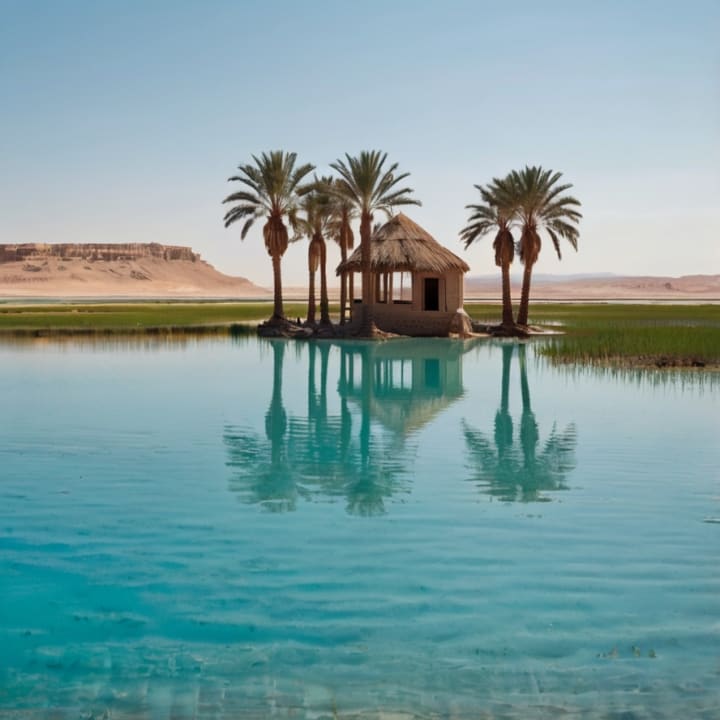
Siwa Oasis boasts a history as rich and layered as the sands surrounding it. Archaeological evidence suggests human habitation as far back as 10,000 years ago. However, Siwa’s prominence truly began during the time of the ancient Egyptians. It served as a critical waypoint on desert trade routes, linking North Africa to the Nile Valley.
One of the most intriguing chapters in Siwa’s history is its association with Alexander the Great. In 331 BCE, the young conqueror visited the Oracle of Amun, housed in the Temple of Amun at Siwa. Legend has it that Alexander sought confirmation of his divine ancestry, solidifying the oracle’s reputation as a place of profound spiritual significance.
Today, visitors can explore the remnants of this storied past. The Temple of Amun, though partially in ruins, still exudes an air of mystery. Nearby, the Mountain of the Dead (Gebel al-Mawta) features tombs carved into the rock, adorned with ancient inscriptions and paintings. These sites offer a tangible connection to the oasis’ illustrious past.
Natural Wonders of Siwa
Siwa’s landscapes are a feast for the senses. The oasis is surrounded by an expanse of golden dunes, part of the Great Sand Sea. Adventurers can embark on 4x4 safaris or camel treks, gliding over rolling sands and witnessing dramatic sunsets that paint the sky in hues of orange and purple.
The salt lakes of Siwa are another highlight. These surreal bodies of water, rich in minerals, reflect the sky like giant mirrors. Floating in their buoyant waters is an otherworldly experience, akin to visiting the Dead Sea but without the crowds. The therapeutic properties of these lakes attract wellness seekers, offering relief for various ailments.
Hot and cold springs dot the oasis, providing a refreshing respite from the desert heat. Cleopatra’s Spring, named after the legendary queen, is a popular spot for a cooling dip. According to local lore, Cleopatra herself bathed here, adding an extra layer of allure to this already picturesque setting.
The Culture of Siwa
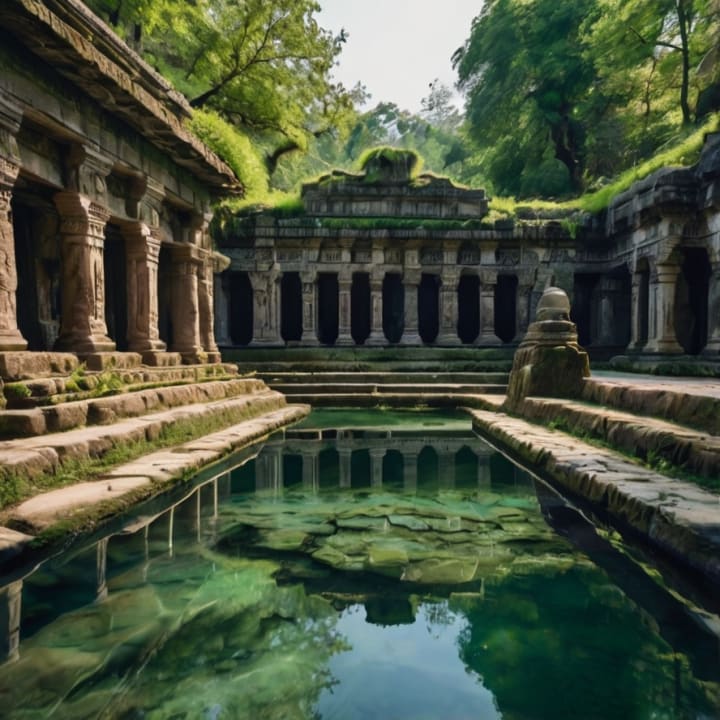
Siwa’s cultural fabric is woven with the threads of Berber heritage. The Siwan people, predominantly Amazigh, speak their own dialect and adhere to traditions passed down through generations. Their architecture, characterized by mud-brick houses, blends seamlessly with the natural environment. The town’s historic Shali Fortress, made entirely of kershef (a mix of salt and mud), stands as a testament to their resourcefulness.
One of the most captivating aspects of Siwan culture is their festivals. The Siwa Date Festival, held annually during the date harvest season, is a vibrant celebration of the oasis’ agricultural bounty. Music, dance, and traditional feasts bring the community together, offering visitors a chance to immerse themselves in local life.
Sustainable Tourism in Siwa
As tourism to Siwa grows, sustainability has become a key focus. Many lodges and guesthouses are eco-friendly, built using traditional techniques and materials. Solar power and water conservation initiatives are common, ensuring that the oasis’ fragile ecosystem remains intact.
Visitors are encouraged to respect local customs and minimize their environmental impact. By choosing responsible tour operators and accommodations, travelers can contribute to the preservation of Siwa’s unique heritage and natural beauty.
Best Time to Visit
The best time to visit Siwa Oasis is during the cooler months, from October to April. Temperatures during this period are pleasant, making outdoor activities like dune bashing, hiking, and exploring the ruins more enjoyable. Summers can be extremely hot, with temperatures often exceeding 40°C (104°F), so it’s best to avoid this time unless you’re accustomed to desert climates.
Siwa’s Culinary Delights

No trip to Siwa is complete without indulging in its culinary offerings. The oasis is renowned for its dates and olives, both of which are integral to the local diet. Siwan cuisine features hearty, flavorful dishes like tagines, lentil soups, and freshly baked flatbreads. Many guesthouses offer home-cooked meals, giving visitors a taste of authentic Siwan hospitality.
For a unique dining experience, consider enjoying a meal under the starlit desert sky. Traditional Bedouin-style dinners, complete with live music and a bonfire, create memories that linger long after your visit.
Conclusion
Siwa Oasis is a destination that captivates the soul. Its blend of natural beauty, historical intrigue, and cultural richness makes it a must-visit for travelers seeking a unique and immersive experience. Whether you’re floating in its salt lakes, exploring ancient ruins, or simply soaking in the tranquility of the desert, Siwa offers a profound sense of connection to a simpler, more harmonious way of life.
In an age where many destinations have succumbed to over-tourism, Siwa stands as a beacon of authenticity. By venturing to this hidden gem, you’ll not only discover a world of wonder but also support a community that has preserved its traditions against the odds. So pack your bags, leave the hustle and bustle behind, and let Siwa Oasis transport you to a realm of timeless beauty and serenity.
About the Creator
Direct2u
Marketer & business promoter with expertise in driving growth for products and services. Specializing in digital marketing, brand strategy, and tailored campaigns that boost visibility, engage and deliver measurable results Click Link!!
The Cave Part 6
If you have ever heard a tale about yourself that you cannot remember and doubtless think is made up, you will know how I felt when Tharkin related all that the eagle had seen of me before my memories were scattered. Of far distances and traveling companions that I did not recall, camping out under the stars and making our way to the mountains with deliberate purpose. The great bird had lost contact with my party once we entered the forests, and the seven other members were not seen again by him or his brethren since.
By Jamye Sharp14 days ago in Chapters



Comments
There are no comments for this story
Be the first to respond and start the conversation.