
Scientists Call for Urgent Action as Dangerous Amoebas Spread Globally
Public health experts warn that free‑living amoebae are emerging as a global threat, driven by climate change, water system vulnerabilities, and expanding habitats — and urgent coordinated action is needed to prevent a hidden crisis.

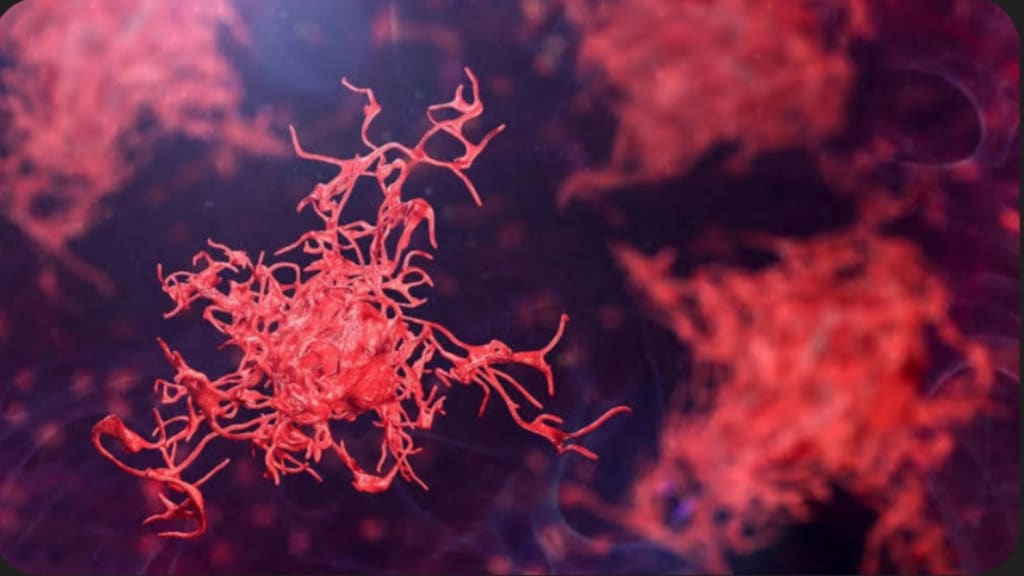
Scientists around the world are sounding the alarm about a largely unseen threat creeping into water systems, soil, and freshwater habitats: dangerous free‑living amoebae. These microscopic organisms have long existed in nature, but new research suggests that environmental shifts, inadequate monitoring, and weakened infrastructure are helping some species spread into regions once considered low‑risk, posing serious public health challenges.
Among the most feared is Naegleria fowleri, colloquially known as the “brain‑eating amoeba”, which can cause primary amoebic meningoencephalitis (PAM) — a rare but almost invariably fatal brain infection when contaminated water enters the nasal passages. Other free‑living amoebae can harbour and protect dangerous bacteria and viruses, enabling them to survive disinfection and spread within water networks.
---
The Rising Threat: Why Amoebae Are Hard to Control
Free‑living amoebae are single‑celled organisms commonly found in soil and freshwater, including lakes, rivers, poorly chlorinated pools, and even household water systems. While most species are harmless, several can cause severe and often deadly infections in humans and animals.
Researchers point to several factors that make these organisms particularly dangerous and increasingly widespread:
Heat tolerance: Some amoebae thrive in warm conditions, surviving temperatures that would kill other microbes. Rising global temperatures linked to climate change are expanding the environmental range where these heat‑loving organisms can live and multiply.
Resistance to disinfection: Certain species can tolerate strong disinfectants, including chlorine used in municipal water treatment, making them difficult to eliminate from water systems.
Trojan horse effect: Amoebae can serve as protective hosts for bacteria and viruses, shielding them from sanitization and enabling them to spread through water networks undetected. This can challenge current water treatment methods and may contribute to antibiotic resistance.
These features mean that traditional water safety measures may be insufficient, and without enhanced detection and treatment strategies, public health risks could escalate.
---
Real‑World Cases Signal Growing Concern
Although infections are still rare, recent outbreaks and case clusters underscore the seriousness of the threat:
In India’s Kerala state, health authorities have reported a surge in cases of amoebic meningoencephalitis caused by Naegleria fowleri, prompting public warnings and intensified water chlorination efforts. More than 69 cases and 19 deaths were recorded in 2025, up sharply from previous years.
Globally, primary amoebic meningoencephalitis has a fatality rate exceeding 95 %, according to health data, and is especially associated with warm freshwater exposure.
Sporadic cases have also been reported in countries outside the tropics, including the United States and Europe, underscoring that climate and infrastructure shifts can influence the risk of exposure in unexpected regions.
The fact that infections have occurred in varied settings — from lakeside recreation to poorly treated municipal water — highlights that no single region is immune and that solutions must span public health, environmental management, and infrastructure investment.
---
Why Action Is Urgent: A One Health Perspective
Scientists are calling for an integrated “One Health” approach — a strategy that recognizes the interconnectedness of human, animal, and environmental health — to tackle the rising threat of free‑living amoebae.
Key elements of this approach include:
Enhanced surveillance and monitoring: Current detection of dangerous amoebae in water and soil is limited. Improved environmental testing and regular surveillance can identify high‑risk areas before outbreaks occur.
Advanced diagnostics: Faster and more accurate tests for infections can help clinicians identify rare amoebic diseases early, potentially improving outcomes, especially when treatment windows are narrow.
Water treatment innovation: Upgrading infrastructure and adopting newer, more effective disinfection techniques could reduce amoebae survival in drinking and recreational water systems.
Public education: Informing communities about risks related to warm freshwater and poor hygiene practices — such as avoiding nasal exposure to untreated water — can help reduce individual risk.
Researchers stress that these organisms are not just a medical issue — they are also environmental and infrastructural challenges that require coordinated scientific, public health, and engineering responses.
---
Challenges in Detection and Treatment
Part of the difficulty in addressing amoeba‑related threats is the rarity and severity of resulting infections. Conditions like primary amoebic meningoencephalitis progress rapidly and are often fatal, even with aggressive treatment. Many healthcare providers may not consider amoebic infection initially, leading to delays in diagnosis.
Moreover, there are no routine environmental tests for pathogenic amoebae in many countries, and levels in water can fluctuate, making systematic tracking difficult.
From a treatment perspective, research into effective therapeutic options is limited. While a handful of experimental and off‑label drugs have shown promise in lab settings, clinical success remains rare due to the speed with which these diseases progress.
---
Climate Change: A Driving Force Behind the Spread
Experts widely agree that climate change is a critical factor in the changing landscape of amoeba threats. As global temperatures rise, previously temperate regions are seeing warmer water temperatures and extended warm seasons, creating ideal conditions for heat‑loving amoebae to thrive outside their traditional habitats.
This shift may help explain why infections and detection of free‑living amoebae are increasing in areas once considered low‑risk, prompting calls for better environmental modeling and public health forecasting.
---
Public Health Takeaways
For individuals and communities, basic preventive measures remain crucial:
Avoid forcing freshwater up the nose when swimming, bathing, or using nasal rinses, especially in warm bodies of water.
Ensure water treatment systems are properly maintained, including effective chlorination and filtration.
Advocate for improved local water monitoring and environmental health surveillance.
While infections remain rare, their deadly nature and signs of broader environmental spread mean that ignoring the warning signs could have serious consequences.
---
Conclusion: Act Now Before It’s Too Late
Scientists’ call for urgent, coordinated action aims to prevent a slow‑burning public health crisis from becoming a widespread one. Free‑living amoebae — once largely ignored — are emerging as a threat at the intersection of climate, environment, and human health. With improved surveillance, diagnostics, infrastructure and public awareness, it may be possible to contain and counter this growing risk. But without swift action, researchers warn, the consequences could be devastating for communities around the world.
About the Creator
Keep reading
More stories from Salaar Jamali and writers in Chapters and other communities.
Gmail Glitch Appears to Break Email Filtering, Tabbed Inboxes
- Gmail, one of the most widely used email platforms globally, has recently encountered a technical hiccup affecting millions of users. Reports have emerged from around the world indicating that Gmail’s email filtering system and tabbed inboxes are malfunctioning, causing emails to appear in unexpected locations. This issue has sparked frustration among users who rely on Gmail’s organization features to manage their daily communication efficiently.
By Salaar Jamali3 days ago in Chapters




Comments
There are no comments for this story
Be the first to respond and start the conversation.