
NASA's SPHEREx and PUNCH missions are once more delayed by SpaceX. Is this a setback or a step toward perfection
NASA's SPHEREx and PUNCH missions are once more delayed by SpaceX. Is this a setback or a step toward perfection
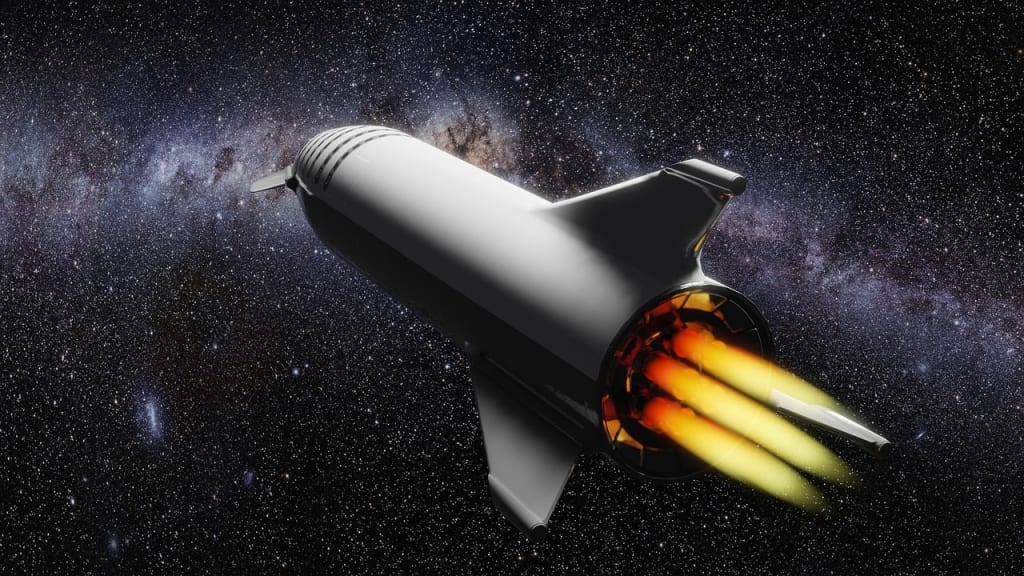
SpaceX once more postponed the launch of two highly anticipated NASA missions, SPHEREx and PUNCH, in a dramatic turn of events, raising concerns among space enthusiasts and scientists alike. Due to unexpected operational difficulties and technical glitches, the scheduled launch, which was supposed to be a turning point in modern space exploration, was postponed. Although the setback is disappointing for many, both NASA and SpaceX emphasize that this decision was made in the best interest of mission safety and long-term success.
A Crucial Time for NASA's Expansive Missions The first-ever all-sky spectral survey is the goal of NASA's SPHEREx (Spectro-Photometer for the History of the Universe, Epoch of Reionization, and Ices Explorer) mission. SPHEREx hopes to shed light on some of the most fundamental astrophysical issues, such as the origins of water in the universe, the nature of cosmic inflation, and the formation of galaxies, by mapping the cosmos using near-infrared wavelengths. In parallel, the PUNCH (Polarimeter to Unify the Corona and Heliosphere) mission will investigate the dynamics of the solar wind and interplanetary dust. This will provide important insights into the mechanisms that drive space weather and the Sun's influence on our solar system. NASA's broader scientific agenda includes both of these missions, which make significant contributions to our understanding of the universe and are essential components. Expectations were high for the partnership with SpaceX, which has come to be associated with rapid and dependable launch capabilities. However, the scrub of today serves as a reminder of the inherent risks and complexity of space exploration. Safety Comes First in the Scrubbing Decision SpaceX's spokesperson claims that the decision to postpone the launch was not made lightly. During the final stages of pre-launch, "we continuously monitor all telemetry data and system diagnostics." The spokesperson elaborated, "In this instance, a minor anomaly was discovered that, if not addressed appropriately, could potentially impact the success of the mission." NASA officials echoed this sentiment, stating that launching missions carrying multimillion-dollar scientific instruments into space necessitates ensuring the highest levels of safety and dependability. Although the specific technical issue hasn't been made public, experts in the field think it might be related to one of the rocket's subsystems' last-minute performance metrics. This level of scrutiny, though frustrating for those eagerly awaiting the launch, is a critical aspect of modern aerospace engineering. "Every launch is a complicated combination of human ingenuity and technology. A veteran aerospace engineer, who requested anonymity, stated, "A scrub is a necessary safeguard against catastrophic failure, although it is inconvenient." Relevance to the Scientific Community The postponement of these missions could have ripple effects throughout the scientific community. SPHEREx and PUNCH are anticipated to provide valuable data that will have a long-term impact on astrophysics and heliophysics research and development. The timing of associated studies and experiments may be impacted if such missions are launched too late. However, both NASA and SpaceX have reassured stakeholders that the rescheduled launch will adhere to the highest safety standards and that every precaution is being taken to ensure success on the next attempt.
The scientific community maintains optimism in spite of the setback. “Repeated scrubs are not ideal, but they show a dedication to excellence. A well-known astrophysicist stated, "It is better to delay a mission and guarantee its success than to risk a failure that could set research back years." Getting Ready for a Future Launch It is anticipated that both organizations will examine and address the issues that resulted in the scrub in the future. To avoid similar incidents in future missions, enhanced pre-launch diagnostics and refined testing procedures are likely to be implemented. Many people are of the opinion that this most recent delay will ultimately result in a launch system that is more robust because of SpaceX's iterative approach to rocket design and testing. In the meantime, there is still a lot of anticipation for the missions. The public's interest has been maintained by SpaceX's innovative reputation and NASA's legacy of groundbreaking scientific discoveries. The delayed launch is now viewed not as a failure, but as part of a rigorous process of refinement—a necessary step in the complex journey of space exploration.
Final Thoughts: A Step in the Right Direction In the field of space exploration, failures are to be expected. SpaceX's recent scrub of the SPHEREx and PUNCH missions is a clear sign of the care NASA and SpaceX took to make sure the missions were successful. Even though the delay today may disappoint in the short term, it demonstrates a deeper commitment to safety and technological excellence. The rescheduled launch promises to deliver a mission that is not only successful but also truly groundbreaking as the teams work diligently to resolve the issues. In the end, in our quest to unravel the mysteries of the universe, every setback brings us one step closer to perfection.
About the Creator
Keep reading
More stories from Md. Asaduzzaman and writers in Chapters and other communities.
A Hidden Threat to Orbiting Satellites from Climate Change
In an era where climate change is reshaping our environment on Earth, a new concern has emerged from an unexpected realm – outer space. Climate change may be indirectly threatening satellites as they orbit our planet, according to recent research. While the primary focus of climate research has long been on rising sea levels, extreme weather, and biodiversity loss, scientists are now uncovering subtle yet significant impacts on the upper reaches of Earth’s atmosphere that could affect the longevity and performance of satellites.
By Md. Asaduzzaman10 months ago in Chapters
Fair Exchange, No Robberies
Dark Memoirs - Index There are at least two kinds of people in the world: those who write this half-arsed kind of intro to a story that looks to separate the rare and the norm, and those who realise it's an overused framing device and don't.
By Paul Stewart14 days ago in Chapters
Full Descent
Full Descent The descent never feels like falling at first. It feels like slowing. It feels like thickening. It feels like the air turning to syrup around me. After so much altitude, so much brightness, so much velocity, the first downward pull feels almost gentle — a soft tug at the edges of my mind, a heaviness settling into my limbs.
By Elisa Wontorcik2 days ago in Chapters


Comments
There are no comments for this story
Be the first to respond and start the conversation.