
A Hidden Threat to Orbiting Satellites from Climate Change
A Hidden Threat to Orbiting Satellites from Climate Change
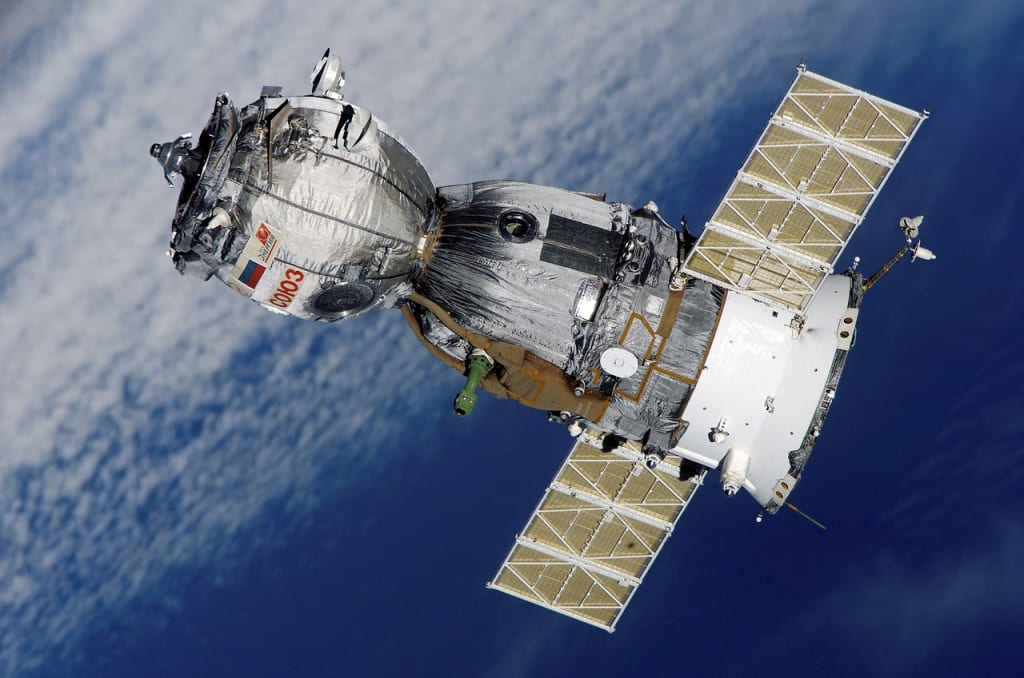
In an era where climate change is reshaping our environment on Earth, a new concern has emerged from an unexpected realm – outer space. Climate change may be indirectly threatening satellites as they orbit our planet, according to recent research. While the primary focus of climate research has long been on rising sea levels, extreme weather, and biodiversity loss, scientists are now uncovering subtle yet significant impacts on the upper reaches of Earth’s atmosphere that could affect the longevity and performance of satellites.
Understanding the Dynamics of the Upper Atmosphere Satellites in low Earth orbit (LEO) typically operate at altitudes between 300 to 1,200 kilometers. Even though the atmosphere in this area is extremely thin, it still causes orbiting objects to drag. In the past, this drag has been a known factor in the design of satellites and mission planning. However, recent findings indicate that climate change could be altering the density and temperature of the thermosphere—the layer of the atmosphere where many satellites reside.
The thermosphere heats up and expands as a result of the substantial amount of solar radiation it absorbs. This layer is experiencing temperature and density changes that were not anticipated by previous models as global temperatures continue to rise. According to a study published in a reputable geophysical journal, researchers have observed an increase in atmospheric density at these altitudes over the past few decades. This change, they argue, is partly linked to the warming trends at lower altitudes, compounded by complex interactions between greenhouse gases and solar activity.
Implications for Satellite Operations
So, why is this relevant to satellites? The orbital mechanics physics provide the answer. The decay of satellite orbits is accelerated by even a modest increase in atmospheric drag, which is caused by an increase in density. As a result, satellites may experience faster orbital decay than anticipated, reducing their operational lifespans and necessitating more frequent orbit-raising operations. Such maneuvers require additional fuel, thereby raising operational costs and potentially reducing the mission duration of expensive assets.
In addition, any unanticipated shift in orbit could result in service disruptions for satellites that are a part of critical infrastructure, such as communication networks and weather forecasting systems. As satellites re-enter the Earth's atmosphere prematurely and disintegrate or collide with other objects, the cumulative effect of many satellites experiencing higher drag may also contribute to an increase in the amount of space debris. In an already crowded orbital environment, this could exacerbate the risk of collisions, initiating a chain reaction known as the Kessler Syndrome.
Greater Implications for the Space Sector The potential impact of climate change on satellite operations is a wake-up call for the space industry. In their designs and operational plans, operators and manufacturers must now take into account how the upper atmosphere of the Earth is changing. This includes incorporating more robust fuel reserves for station-keeping and designing satellites that can better withstand unpredictable drag forces. In addition, mission planners may be required to reevaluate orbital altitudes or create adaptive control systems that are able to dynamically respond to changes in the density of the atmosphere. Beyond individual satellites, this trend may also have economic repercussions. The cumulative cost of additional fuel and maintenance could be substantial as an increasing number of satellites are planned for deployment, particularly mega-constellations designed to provide global internet coverage. Insurance premiums for satellite launches and operations might also rise as the risk of premature orbital decay increases.
A Call for Global Cooperation and More Research The emerging research on climate change’s impact on the thermosphere is still in its early stages. Scientists emphasize the need for continuous monitoring of the upper atmosphere and more refined models that can predict future conditions with greater accuracy. Researchers studying climate change, space agencies, and satellite operators need to collaborate to better comprehend these interactions and develop risk-reduction strategies. The study serves as a reminder that the effects of climate change are far-reaching and even affect space technology in this context. It calls for a holistic approach to addressing environmental issues and emphasizes the interconnectedness of our planet's systems from the surface to the edge of space. Conclusion
The majority of us are aware of the effects of climate change on the earth, but its effects go beyond our immediate environment. Recent studies provide a compelling illustration of how climate change could disrupt essential technologies on which modern society relies. One such example is the threat to satellites. Understanding and mitigating these risks will be crucial as we move toward a future that is increasingly dependent on space-based services. Ultimately, tackling climate change is not just about protecting our planet’s ecosystems—it is also about safeguarding the infrastructure that supports global communication, navigation, and scientific discovery.
About the Creator
Keep reading
More stories from Md. Asaduzzaman and writers in Chapters and other communities.
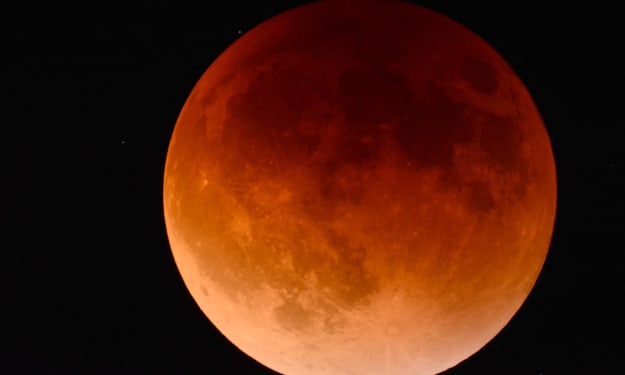
Why is Thursday's 'Blood Moon' Red? Know When and What to Look Up
Here Every so often, our night sky presents us with a celestial spectacle that captivates stargazers and astronomy enthusiasts alike—a Blood Moon. As the moon takes on an eerie red hue on Thursday, observers all over the world may be in for a visual treat. But what exactly causes this dramatic transformation, and when is the best time to see it? Let's look at the science behind the Blood Moon, its historical significance, and some helpful advice for catching a glimpse of it. The Science Behind the Red Hue
By Md. Asaduzzamanabout a year ago in Chapters
Brass Ring Interlude 5: The Importance of Being Earnest
Fleaboy jumped between buildings. He liked that Overton didn’t have any skyscrapers; it made his particular mode of travel that much easier. He liked the wind rushing through his hair; he had even designed his mask so that he could feel the wind as he jumped, and had to keep his hair at a very specific length (too long and it whipped in his face, too short and he missed the sensation). He flipped with every jump so he could see if someone was in trouble. Fortunately, today was mostly boring. Weird, considering the panic the capes community is in.
By Jamais Jochim4 days ago in Chapters
Why Didn't Anyone Tell Us
Men, move along. This is not for you. This is for the women. I was forty-five when I began menopause. It is pretty young for that to be going on in a woman’s life, but I had undiagnosed PCOS, my entire life. Thank you to all the gynecologists I had seen my entire life. That in itself should encourage women to keep seeking second opinions, especially when you are not getting correct answers or any at all.
By Alexandra Grant5 days ago in Humans



Comments
There are no comments for this story
Be the first to respond and start the conversation.