
Mental Health: The Silent Epidemic and Our Collective Responsibility
Breaking the Stigma: Why Discussing Mental Well-being is More Crucial Than Ever in Bangladesh

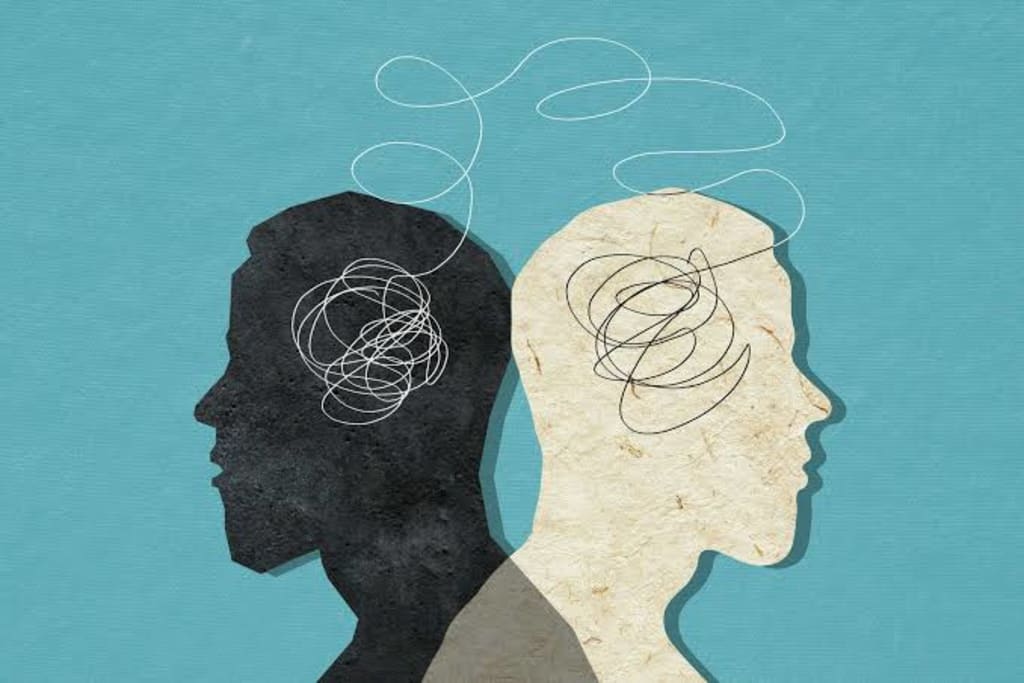
In a rapidly developing nation like Bangladesh, where economic progress and technological advancement often dominate headlines, there's a quieter, yet equally pressing crisis unfolding: the silent epidemic of mental health issues. For too long, mental health has been a taboo subject, shrouded in misconceptions, fear, and stigma. Yet, the statistics paint a grim picture: a significant portion of our population, particularly the youth, grapples with conditions like depression, anxiety, and stress, often in silence. It's time to break this silence and recognize mental well-being not as a luxury, but as a fundamental human right and a collective responsibility.
The Rising Tide of Mental Health Challenges
Globally, mental health disorders are a leading cause of disability, and Bangladesh is no exception. Estimates suggest that between 15% to 35% of the population experiences some form of mental health problem. Among adults, the prevalence of mental disorders is reported to be around 16.8%, with depression and anxiety being the most common. What's even more alarming is that a staggering number of those affected, sometimes over 90%, do not receive adequate treatment. This gap is not just due to a lack of facilities but also, critically, due to societal stigma.
Several factors contribute to this rising tide. The pressures of modern life, intense academic and professional competition, unemployment, economic instability, relationship issues, and the pervasive influence of social media all play a role. Furthermore, the aftershocks of the COVID-19 pandemic significantly exacerbated existing mental health vulnerabilities, exposing the fragility of our collective well-being.
The Stigma: A Major Barrier to Healing
Perhaps the greatest hurdle in addressing mental health in Bangladesh is the deeply ingrained stigma. Many people suffering from mental illness are afraid to seek help, fearing judgment, discrimination, and being labeled as "mad" or "insane." This fear often leads individuals to suffer in isolation, worsening their condition and, in some tragic cases, leading to suicide. The reluctance to talk openly about psychological distress prevents individuals from accessing the support they desperately need from family, friends, and professionals.
Families, too, often contribute to this silence, either due to a lack of awareness, embarrassment, or a preference for traditional healers over evidence-based medical treatment. Misconceptions and myths surrounding mental illness—often associating it with supernatural forces or moral failing—further deepen this stigma, creating a vicious cycle of silence and suffering.
Our Collective Responsibility: What Can We Do?
Addressing this silent epidemic requires a multi-pronged approach involving individuals, families, communities, and the government.
* Promoting Awareness and Education: The first step is to demystify mental illness. Education campaigns are vital to inform the public that mental health conditions are real medical conditions, not character flaws. Schools, universities, workplaces, and media outlets can play a crucial role in disseminating accurate information, busting myths, and normalizing conversations around mental well-being.
* Breaking the Silence at Home and in Communities: Families should foster an environment where talking about feelings and struggles is encouraged, not suppressed. Communities can organize awareness sessions and create support groups. Religious leaders and local influencers can also play a pivotal role in changing societal perceptions and encouraging help-seeking behavior.
* Strengthening Professional Support: Bangladesh faces a severe shortage of qualified mental health professionals. With fewer than 250 psychiatrists and psychologists in a country of over 170 million people, and most concentrated in urban areas, access to care is severely limited. There is an urgent need to:
* Increase the number of trained psychiatrists, psychologists, counselors, and psychiatric nurses.
* Integrate mental healthcare into primary healthcare services, making it more accessible at the grassroots level.
* Invest in tele-counseling and digital mental health platforms to reach remote areas.
* Governmental Action and Policy Implementation: While the Mental Health Act 2018 replaced the outdated Lunacy Act of 1912, much more needs to be done in terms of implementation. Increased budgetary allocation for mental health services, developing robust community-based mental health programs, and ensuring the availability of essential medicines are crucial. The government must prioritize mental health as a core public health issue, not an afterthought.
* Encouraging Self-Care and Mutual Support: Individually, practicing self-care through mindfulness, exercise, adequate sleep, and healthy relationships can significantly contribute to mental well-being. Recognizing when to seek professional help and encouraging others to do so is also vital. Peer support networks and volunteer organizations can offer invaluable immediate assistance and a sense of belonging.
Conclusion
Mental health is not just an individual burden; it affects families, communities, and the nation's productivity. Ignoring it comes at a significant cost—human suffering, reduced economic output, and a diminished quality of life. By fostering open conversations, reducing stigma, and investing in accessible and quality mental healthcare services, Bangladesh can move towards a future where mental well-being is prioritized, and no one has to suffer in silence. The time for a comprehensive, compassionate, and collaborative approach to mental health is now.
About the Creator
Fair Exchange, No Robberies
Dark Memoirs - Index There are at least two kinds of people in the world: those who write this half-arsed kind of intro to a story that looks to separate the rare and the norm, and those who realise it's an overused framing device and don't.
By Paul Stewart13 days ago in Chapters
Sacrifices For The Balance Chapter 8: The Investigations Get Serious
Lady Astor parked her electric SUV just outside the dog rescue. She had decided to start with Maddy Tennyson; even if she couldn't get her to commit to her cause, she could be useful in gauging the political environment. She had decided to go with the jeans and boots look; she was as ready to work as she was to talk.
By Jamais Jochim19 minutes ago in Chapters
A Dart at Dusk
Seconds ago, the sullen sun set on the two of us… my exuberant furry companion and me. A fresh breeze embraces us, delivering welcome relief from the day’s oppressive heat. His typical stumbling and staggering along — apace with a sloth — has turned into trip-trapping, high-stepping, almost skipping along.
By Angie the Archivist 📚🪶4 days ago in Petlife


Comments
There are no comments for this story
Be the first to respond and start the conversation.