
Iran will stand up to US demands to be ‘obedient’, says Khamenei
Focusing on Khamenei’s call for internal unity against external pressures

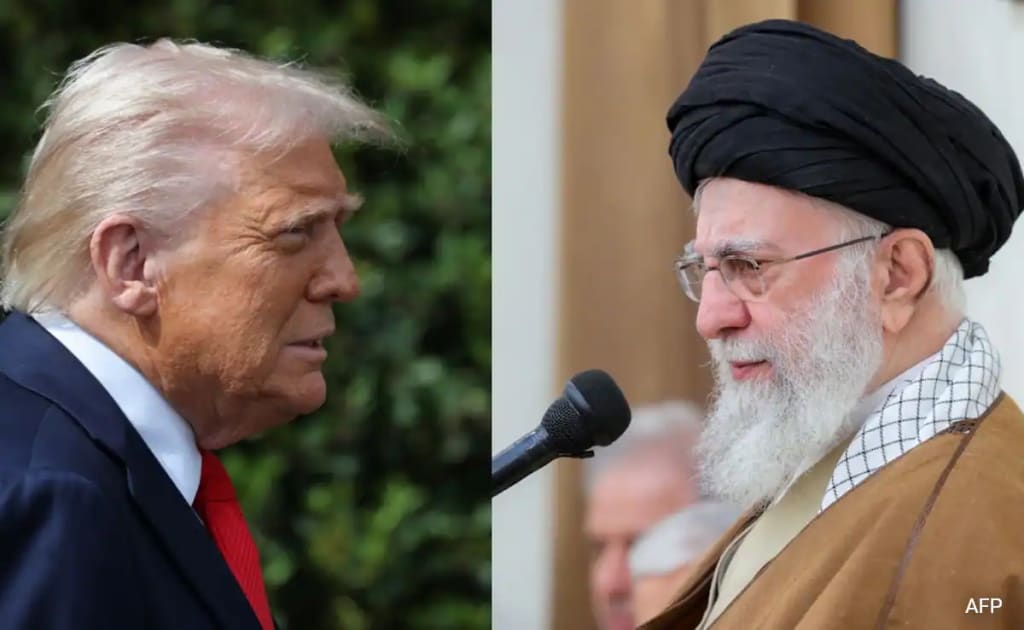
In a defiant speech delivered during a religious ceremony on August 24, 2025, Iran’s Supreme Leader Ayatollah Ali Khamenei emphatically rejected U.S. pressure, stating that Tehran refuses to be "obedient" to American demands. With negotiations stalled and tensions mounting, Khamenei’s remarks underscore Iran’s entrenched resistance to Western pressure and highlight the internal political dynamics shaping the country's response.
Deep-Seated Distrust and National Resolve
Khamenei’s message reflects a broader sentiment of mistrust toward the United States—rooted in decades of geopolitical tensions. He framed U.S. overtures as superficial and dismissive of longstanding grievances, asserting that those calling for direct negotiations "only see appearances" and that "this issue is unsolvable".
For Khamenei and like-minded conservatives, yielding to external demands would be a grave affront to Iran’s sovereignty and ideological identity.
Context: From War to Diplomacy’s Brink
Tensions escalated dramatically after a 12-day war in June, during which U.S. and Israeli airstrikes targeted key Iranian nuclear sites and senior personnel. In response, Tehran suspended nuclear talks, expelled UN inspectors, and stepped away from international agreements tied to non-proliferation.
Although European powers—specifically the UK, France, and Germany—have pressed Iran to reengage, Khamenei remains resolute. He warns that proposals to negotiate with Washington amount to a call for submission and lack genuine engagement on mutual concerns.
Domestic Tensions: Reformers vs. Hardliners
Within Iran, the debate over engagement with the West has sharpened. A coalition of 27 reformist groups aligned with President Masoud Pezeshkian has urged the halting of uranium enrichment and a return to diplomatic channels to stave off an economic collapse. They highlight worsening inflation, energy shortages, and public discontent as grounds for pragmatism
Yet, hardliners—supported by Khamenei—view such steps as surrender, accusing reformers of capitulating to foreign powers.
Strategic Posturing and the Snapback Threat
As Iran weighs its next moves, the E3 (Britain, France, Germany) are watching carefully. They warn they may reimpose UN sanctions using the so-called "snapback" mechanism if Tehran does not return to substantive talks.
In response, reports suggest internal discussions have surfaced advocating lowering uranium enrichment levels—possibly from 60% to 20%—as a temporary de-escalation measure.
A Test of Cohesion
Khamenei’s message resonates beyond diplomacy—it appeals to national unity and resistance. He singled out “agents of America and the Zionist regime” for attempting to sow internal discord, urging Iranians to remain steadfast and united.
VOCAL MEDIA
In a broader sense, his stance underscores the complex balancing act Tehran must perform between confronting external pressures and managing internal economic and social strains.
Implications and What Lies Ahead
With negotiations frozen and geopolitical fault lines deepening, the Iran-U.S. impasse appears entrenched. Khamenei’s rejection of U.S. overtures, combined with the hardline narrative prevailing in Tehran, means the road to dialogue remains fraught. The critical questions are: Will economic pressures and international isolation eventually sway Tehran toward compromise? Can reformists push through a diplomatic reset, or will hardliner resistance prevail? And as the snapback deadline draws near, will Europe’s patience—and sanctions threats—shift the dynamic?
Keywords:
Ayatollah Ali Khamenei
Iran
United States
Tehran
Washington D.C.
About the Creator
Dena Falken Esq
Dena Falken Esq is renowned in the legal community as the Founder and CEO of Legal-Ease International, where she has made significant contributions to enhancing legal communication and proficiency worldwide.
Keep reading
More stories from Dena Falken Esq and writers in Chapters and other communities.
2 Major Avengers: Doomsday Stars Reportedly Had ‘Blow Up’ on Set
Two actors starring in Avengers: Doomsday reportedly aren’t on very good terms. Marvel Studios’ Avengers: Doomsday is currently in production. Directed by Joe and Anthony Russo, also known as the Russo Brothers, the MCU film will arrive in United States theaters on December 18, 2026. The sequel, Avengers: Secret Wars, then follows on December 17, 2027.
By Dena Falken Esq5 months ago in Chapters
Fair Exchange, No Robberies
Dark Memoirs - Index There are at least two kinds of people in the world: those who write this half-arsed kind of intro to a story that looks to separate the rare and the norm, and those who realise it's an overused framing device and don't.
By Paul Stewart6 days ago in Chapters



Comments
There are no comments for this story
Be the first to respond and start the conversation.