
How do I control diabetes neuropathy?
Maintain Tight Blood Sugar Control

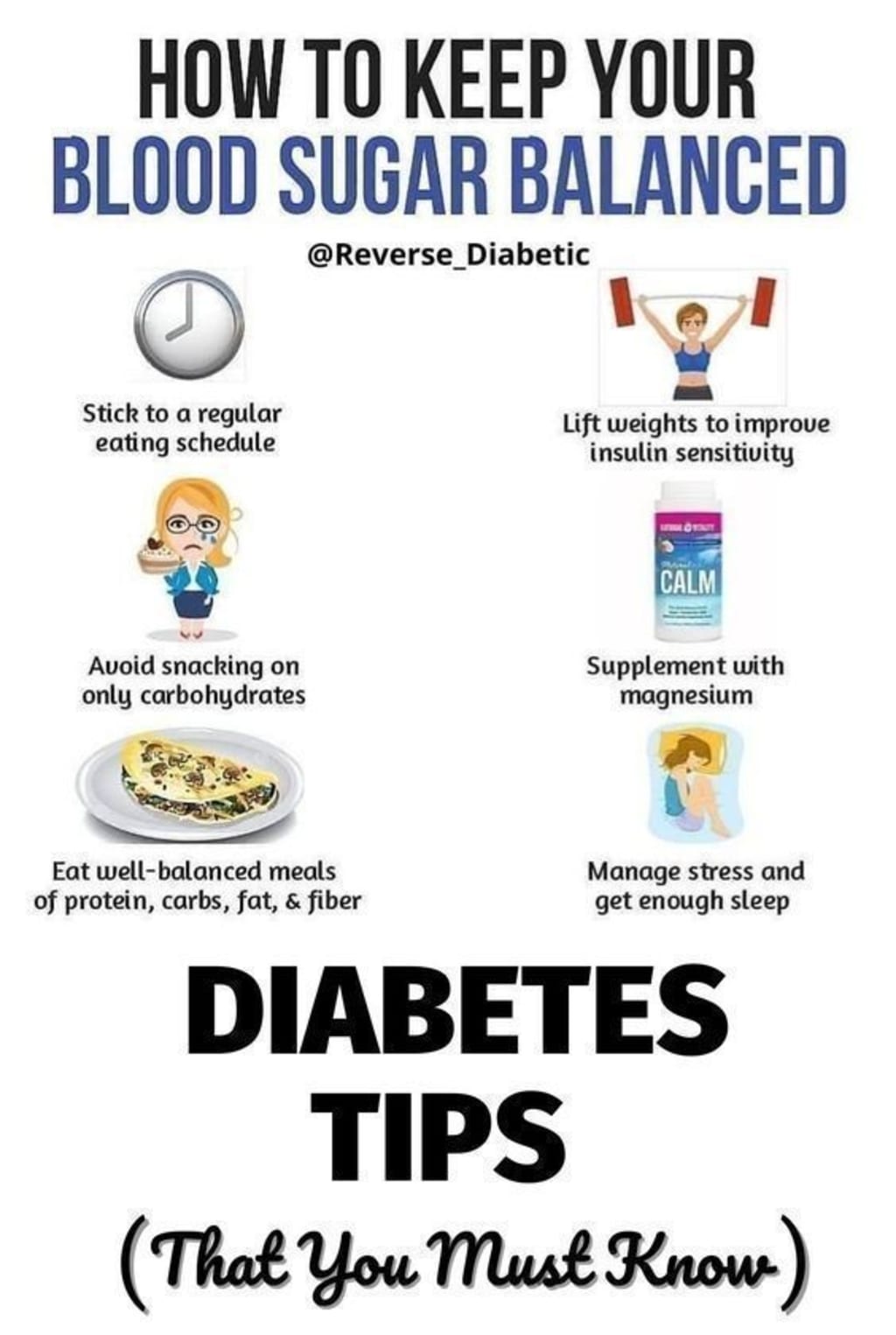
Diabetic neuropathy is a type of nerve damage that can occur if you have diabetes, particularly when blood sugar levels are not well-controlled over time. Managing diabetic neuropathy involves a combination of lifestyle adjustments, medications, and other strategies to help alleviate symptoms and slow the progression of nerve damage. Here are some effective ways to manage it:
1. Maintain Tight Blood Sugar Control
Blood Sugar Monitoring: Consistently monitor your blood glucose levels as directed by your healthcare provider.
Keeping blood sugar within the target range can slow the progression of neuropathy and relieve symptoms.
Healthy Diet: Focus on a diet that’s low in refined carbohydrates and sugars, high in fiber, and rich in whole foods like vegetables, fruits, lean proteins, and healthy fats. A balanced diet helps maintain stable blood sugar levels.
Regular Exercise: Exercise can improve blood flow, help control blood sugar levels, and reduce neuropathy pain. Activities like walking, swimming, or yoga are often recommended, but it’s important to consult your doctor before starting a new exercise regimen.
2. Pain Management
Medications: Certain medications can help alleviate the pain associated with diabetic neuropathy. Common options include:
Antidepressants: Some types, like amitriptyline, duloxetine, and venlafaxine, can relieve nerve pain.
Anticonvulsants: Medications such as pregabalin and gabapentin can help reduce pain by stabilizing nerve activity.
Topical Treatments: Capsaicin cream or lidocaine patches can be applied directly to painful areas to provide localized relief.
Pain Relievers: Nonsteroidal anti-inflammatory drugs (NSAIDs) like ibuprofen may help with mild pain, but they aren’t usually effective for severe neuropathic pain.
3. Manage Underlying Conditions
Blood Pressure: Keeping blood pressure under control can help protect your nerves. Aim to maintain a healthy blood pressure, and take any prescribed blood pressure medications.
Cholesterol Levels: High cholesterol can contribute to nerve damage. Follow your healthcare provider’s advice on diet, exercise, and medications to manage cholesterol.
Weight Management: Maintaining a healthy weight can reduce pressure on nerves, improve insulin sensitivity, and help control blood sugar levels.
4. Foot Care
Inspect Your Feet Daily: Check for blisters, cuts, sores, or signs of infection, as neuropathy can cause a loss of sensation, making it difficult to feel injuries.
Wear Comfortable Shoes: Choose supportive, cushioned footwear to protect your feet and reduce pressure. Avoid tight shoes or going barefoot, which can increase the risk of injury.
See a Podiatrist: Regular visits to a podiatrist can help manage foot health and prevent complications related to neuropathy.
5. Lifestyle Modifications
Quit Smoking: Smoking restricts blood flow to the extremities and can worsen neuropathy. Quitting can help improve circulation and reduce further nerve damage.
Limit Alcohol: Excessive alcohol can worsen nerve damage, so it’s best to drink in moderation or avoid it altogether if you have neuropathy.
6. Alternative Therapies
Acupuncture: Some people find relief from neuropathy symptoms with acupuncture, which involves inserting thin needles into specific points on the body to reduce pain.
Transcutaneous Electrical Nerve
Stimulation (TENS): This technique uses low-voltage electrical current to relieve pain. It can be applied in a clinical setting or with an at-home device.
Alpha-Lipoic Acid: This antioxidant supplement may help improve symptoms of neuropathy. However, consult your doctor before starting any supplements to ensure they’re safe and appropriate for you.
7. Consider Physical and Occupational Therapy
Physical therapy can help improve muscle strength and balance, while occupational therapy can assist you in learning techniques to perform daily tasks more comfortably and safely.
8. Mental Health Support
Chronic pain and nerve damage can impact mental health. Consider talking to a counselor, joining a support group, or using relaxation techniques like meditation and deep breathing to manage stress, which can also help improve blood sugar control.
Managing diabetic neuropathy involves a holistic approach to control blood sugar levels, relieve pain, and protect nerve health. It’s essential to work closely with your healthcare team to develop a personalized plan that suits your needs.
About the Creator
Devender Singh
Start writing.. I'm blogger writer
Keep reading
More stories from Devender Singh and writers in Chapters and other communities.
8 things women only do when they are completely in love with a men
Women tend to be highly secretive about their feelings for men. When a woman is in love with you, you will notice a few changes in her personality. Interestingly, she expects you to identify these signs that she’s deeply in love with you and approach her with a proposal.
By Devender Singhabout a year ago in Chapters
The Future of Coding and AI
In the ever-evolving world of technology, the future of coding is undergoing a profound transformation driven by the rapid rise of artificial intelligence (AI). What was once the exclusive domain of human programmers is now becoming a dynamic partnership between humans and intelligent machines. As AI continues to advance, it’s not replacing coders, it’s redefining what it means to code.
By Gus Woltmann5 days ago in Chapters
Staying sane in the insane world.
”It is no measure of health to be well adjusted to a profoundly sick society.” Jiddu Krishnamurti This quote has been one of my favourites since the moment I first laid my eyes on it. To me, it cuts right through the fog of the illusion of normality that permeates our lives. And since I am someone who has never felt (well) adjusted to this society, Krishnamurti’s words gifted me with the realisation that there isn’t anything inherently wrong with me.
By Eva Smitte7 days ago in Humans




Comments
There are no comments for this story
Be the first to respond and start the conversation.