
Gen Z Mental Health Journeys: Struggles, Strengths, and the
Gen Z Mental Health Journeys: Struggles, Strengths, and the Power of Expression

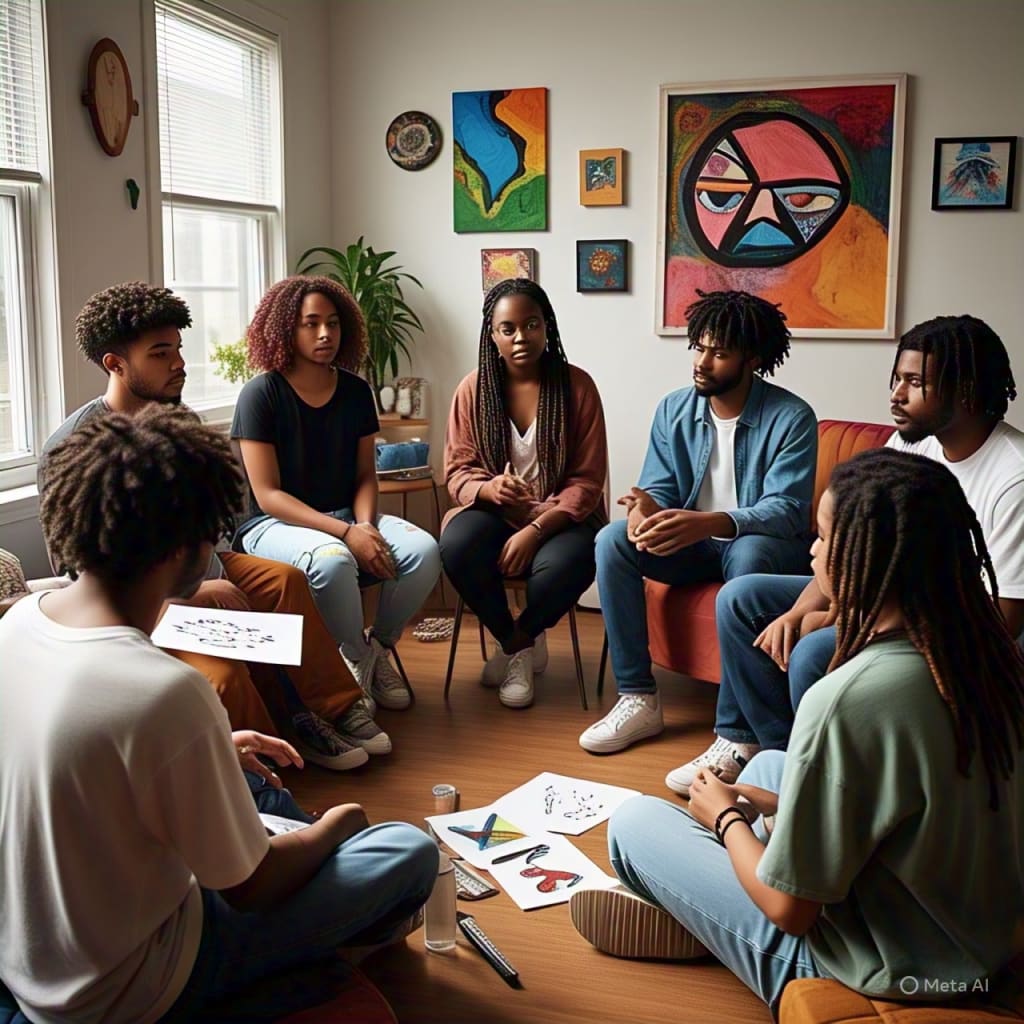
Mental health has become a central topic in the 21st century, and no generation has embraced this conversation more openly than Generation Z. Born roughly between 1997 and 2012, Gen Z is growing up in a world shaped by digital connectivity, global crises, social movements, and rapidly changing social norms. These external factors, combined with internal pressures, have made mental health one of the most defining aspects of Gen Z's lived experience. Their mental health journeys reflect both deep struggles and a powerful determination to seek healing and self-awareness.
Understanding the Challenges
Gen Z faces unique psychological stressors that differ from those of previous generations. One of the most significant is the influence of technology and social media. While platforms like Instagram, TikTok, and Snapchat offer creative expression and global connection, they also expose users to constant comparison, cyberbullying, and unrealistic beauty standards. The "highlight reel" culture often leads to feelings of inadequacy, loneliness, and low self-esteem.
Moreover, Gen Z has grown up in a time of global uncertainty—climate change, economic instability, pandemics, school shootings, and political unrest are all realities they have had to process from a young age. These fears, along with academic pressure and the burden of "hustle culture," have led to rising levels of anxiety and depression among young people.
A 2023 survey by the American Psychological Association found that Gen Z reports the highest levels of stress compared to other generations. Many experience chronic stress related to education, job insecurity, social expectations, and future planning. For some, these stresses result in burnout before they even enter the workforce.
The Strength of Openness
Despite these challenges, Gen Z is also the most open and vocal generation when it comes to mental health. Unlike older generations who often viewed mental health struggles as taboo or a sign of weakness, Gen Z tends to approach mental health with honesty and empathy. They are more likely to seek therapy, speak about their emotions, and support their peers through online or community platforms.
One of the major breakthroughs Gen Z has championed is the normalization of therapy. Therapy is no longer seen as something only for "serious" mental illnesses; it is now embraced as a tool for self-improvement, stress management, and emotional growth. Platforms like BetterHelp and Talkspace, along with in-person counseling, are increasingly used by Gen Z individuals looking for guidance and support.
Social media, while often a source of stress, has also become a powerful space for awareness and solidarity. Mental health influencers, peer support accounts, and campaigns like #MentalHealthMatters have created communities where Gen Z can share stories, coping strategies, and encouragement.
Cultural and Social Shifts
Culturally, Gen Z is more inclusive and sensitive to issues like neurodiversity, trauma, and intersectionality. They understand that mental health is not a one-size-fits-all journey. Many are aware of how race, gender, sexuality, and socioeconomic background can influence mental well-being. As a result, Gen Z has pushed for more inclusive mental health resources, such as therapists who understand LGBTQ+ issues or culturally competent care for people of color.
They have also challenged the toxic aspects of "grind culture" and productivity obsession. Concepts like "quiet quitting," work-life balance, and mental health days are more popular among Gen Z, signaling a shift in how this generation values mental peace over constant achievement.
The Role of Creativity and Expression
One of the most inspiring aspects of Gen Z's mental health journey is their use of art and creativity to express their emotions. Music, poetry, digital art, short films, and personal blogs have become outlets for processing difficult emotions. Artists like Billie Eilish, Olivia Rodrigo, and Yungblud openly share their mental health struggles, creating powerful connections with fans who see their own pain reflected in the lyrics.
Even in academic or professional settings, Gen Z is more willing to be vulnerable. Instead of hiding their struggles, many students and young workers are speaking up about their need for mental health accommodations, such as flexible deadlines or mental health leave.
Moving Forward
The Gen Z mental health journey is still evolving. As more awareness is raised, institutions like schools, workplaces, and governments are beginning to respond with policies aimed at supporting young people's well-being. However, there is still much to be done—especially in making mental health services affordable, accessible, and stigma-free across all communities.
What’s clear is that Gen Z has started a new chapter in how society views mental health. They are not just surviving their struggles—they are transforming them into stories of strength, community, and change. Through openness, creativity, and a demand for better resources, Gen Z is leading the way toward a more compassionate and mentally healthy future.
About the Creator
Abdullah Bacha
youngest writer 👑
Keep reading
More stories from Abdullah Bacha and writers in Chapters and other communities.
Political Turmoil in France: Macron’s Hunt for a New Prime Minister
France has entered yet another phase of political instability after Prime Minister François Bayrou was forced to resign on September 8, 2025, following a devastating defeat in a confidence vote. The vote, which saw 364 lawmakers reject his government compared to just 194 in support, reflects the deep divisions in France’s National Assembly and raises urgent questions about the future of President Emmanuel Macron’s second term.
By Abdullah Bacha4 months ago in Chapters
Search for a Sister, Chapter Two
4-H-N heard not a word about her secret mission around Headquarters over the following days, so had to conclude either Mini-Flash Phytolith hadn’t been listening in after all, or she’d misjudged him. She hoped it was the latter, as she wanted the pair of them to get on, even if he wasn’t going out of his way to make it easy for her.
By Doc Sherwood19 days ago in Chapters
The Devil's Cut
“Comrade, finally you’re awake.” The voice was smooth, sensual. A flickering incandescent bar was all that lit the white, sterile room. All Vladimir remembered was everything going black. He tried to move his arms and found them strapped to the gurney.
By Matthew J. Fromm5 days ago in Fiction


Comments
There are no comments for this story
Be the first to respond and start the conversation.