
"Continental Rhythms: A Life Woven Across Europe"
A Journey Through the Daily Lives, Cultural Values, and Quiet Wonders of Europe's Diverse People

Introduction: Living the European Mosaic
When we talk about Europe, it's easy to get lost in postcards: the Eiffel Tower shimmering at night, gondolas drifting through Venice, the snowcapped Alps framing storybook villages. But beyond the curated imagery, Europe breathes in quieter rhythms. It's in the morning clatter of coffee cups in Lisbon, the soft rustle of market stalls in Lyon, the scent of fresh bread wafting through Prague's cobbled streets. The lifestyle of European people is as diverse as the continent itself—woven from threads of history, family, art, food, and the enduring belief that life is to be savored, not rushed.
This is the story of Europe through its people.
Chapter 1: The Italian Way – La Dolce Vita
In Italy, life is a balance of beauty and simplicity. From the bustling city of Milan to the serene hills of Tuscany, Italians live by the philosophy of "la dolce vita" — the sweet life.
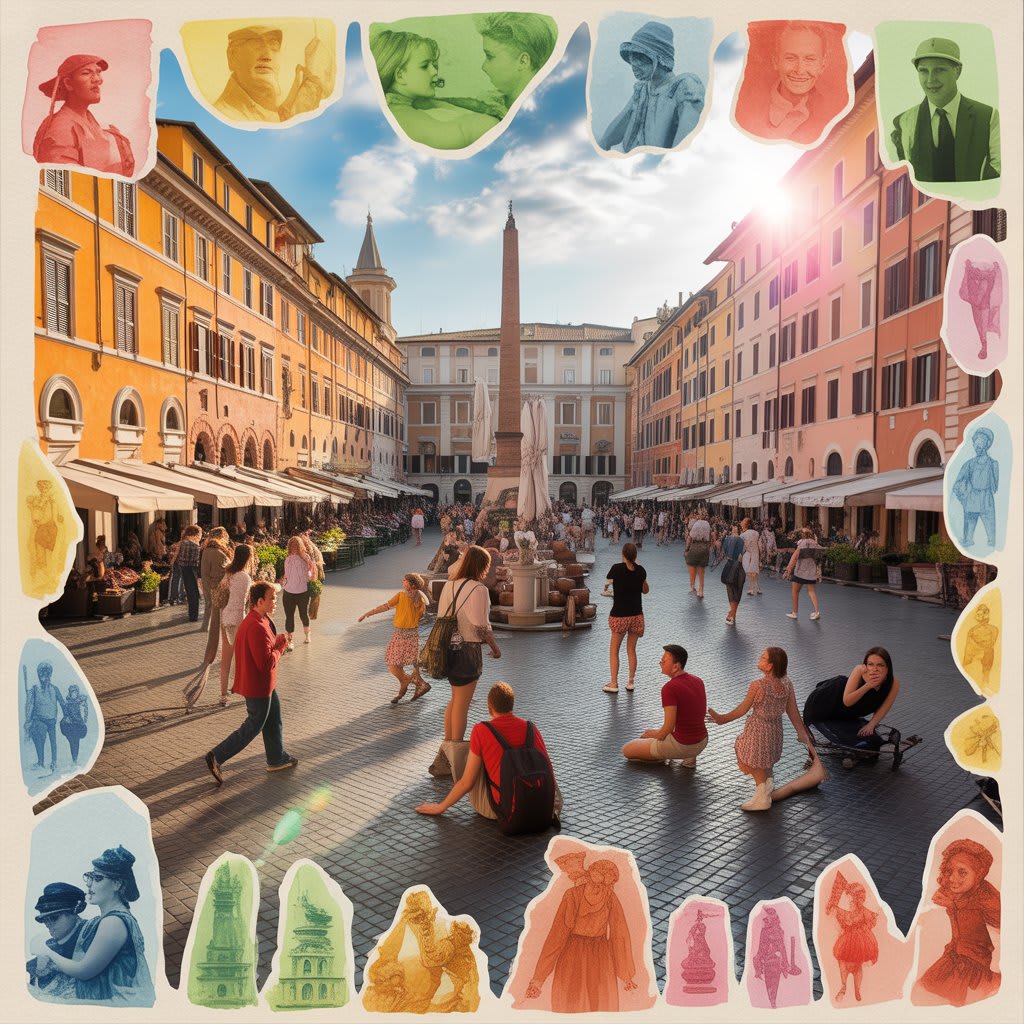
Mornings begin with a single espresso at the bar, shared with strangers who quickly become conversational partners. In cities like Rome or Naples, people live outdoors: streets are extensions of the living room, piazzas are the backdrop of everyday life. Family is the heartbeat of society. Sunday lunches can last hours, beginning with antipasti and ending with strong coffee and laughter. Fashion isn’t just about clothes—it's a form of self-respect. Whether 25 or 75, Italians take pride in presenting themselves with elegance.
Even in chaos, there's rhythm. Horns honk, vespas dart, and yet there's calm in the storm. To be Italian is to feel—passionately, loudly, and often.
Chapter 2: Scandinavian Balance – The Art of Lagom and Hygge
Travel north to Scandinavia, and you'll find a different beat. In Sweden, "lagom" means "not too little, not too much—just right." In Denmark, "hygge" evokes coziness and well-being.
Scandinavian life is built on equilibrium. Work-life balance isn't a luxury, it's a norm. People work efficiently, but clock out on time. Afternoons might be spent in nature—cycling through forests, ice skating in winter, or kayaking through lakes. There's a deep-rooted love for the outdoors, even in biting cold.
Homes are minimalist, yet warm. Candles flicker. Woolen blankets drape over furniture. Meals are simple but nourishing—open-faced sandwiches, fresh fish, and plenty of coffee. Equality, trust, and community are pillars of society. There's an unspoken understanding: we thrive together, not apart.
Chapter 3: Spanish Soul – Tapas, Siestas, and Street Celebrations
In Spain, life is a celebration. From Barcelona to Granada, you’ll hear laughter echoing through narrow alleyways, guitars strumming from balconies, and the clink of glasses filled with Rioja or vermúth.
The Spanish day begins slowly. Breakfast is light, lunch is sacred, and dinner rarely happens before 9 PM. The famed siesta isn't a myth—though less common in cities, it still lives on in smaller towns, where shutters close and time pauses.
Tapas culture is less about food, more about connection. Friends hop from bar to bar, sharing small plates and stories. Festivals are frequent and vibrant. La Tomatina, Las Fallas, Semana Santa—each region has its traditions, rich with history and pride.
Family ties are strong. Elderly parents often live with children. Sundays are for togetherness. Time is elastic in Spain—and that’s the point.
Chapter 4: German Precision and the Pursuit of Purpose
Germany runs on reliability. From punctual trains to efficient bureaucracies, there's comfort in the country's precision. But beyond stereotypes, German life is deeply fulfilling.
Work is purposeful. People take pride in their roles, whether engineers or artists. Yet, leisure is sacred. The concept of "Feierabend" — the time after work — is respected. Germans separate work from personal life with firm boundaries.
Weekends are for hiking in the Black Forest, biking through the countryside, or simply enjoying "Kaffee und Kuchen" (coffee and cake) with loved ones. Recycling isn’t optional—it’s a civic duty. Education is affordable, healthcare is universal, and public trust is high.
Underneath the stoic exterior, Germans value friendship and sincerity. When they ask, "How are you?", they really want to know.
Chapter 5: The French Palette – Taste, Talk, and Take It Slow
France is an ode to pleasure—of taste, intellect, and expression. Parisian boulevards buzz with culture, while villages in Provence linger in lavender-scented stillness.
Food is not rushed. A meal is a ritual. Lunch breaks can last an hour or more. Cheese, wine, and bread aren't just staples—they’re identities. Conversation is an art. People debate everything from politics to philosophy, not to argue but to engage.
The French prioritize quality: in food, fashion, friendships. Children are raised with autonomy. Schools value critical thinking. Sundays are for markets, slow walks, and time spent with those who matter.
Liberté, égalité, fraternité isn't just a motto. It's a lifestyle.
Chapter 6: The Eastern European Resilience
In cities like Budapest, Krakow, and Bucharest, you feel the pulse of a different Europe. One shaped by history, but looking firmly ahead.
Life here is practical and grounded. Traditions are honored, family ties run deep, and hard work is respected. People gather for home-cooked meals, share stories of grandparents who lived through war or revolution, and toast to small victories with local spirits.
Modern cafes stand beside centuries-old churches. Folk music thrives alongside techno. There's beauty in the contrast. In the resilience. In the ability to move forward without forgetting.
Chapter 7: The UK Mindset – Humor, History, and Holding It Together
The British lifestyle is a paradox: formal but quirky, polite but passionately opinionated. Life in the UK is a blend of heritage and innovation.
Pubs are sacred. Tea is therapy. Weather is a national obsession. There's humor in everything—even in struggle. Whether in London, Edinburgh, or a Yorkshire village, people carry on.
The arts are woven into the culture. Literature, theater, music—from Shakespeare to Stormzy. Education is prized. Public debate thrives. Diversity is rising, and though Brexit shook the country, the soul of Britain remains: skeptical, resilient, oddly comforting.
Conclusion: One Europe, Many Lives
No single narrative defines Europe. That’s its strength. From the warm Mediterranean coast to the icy fjords of Norway, from ancient cathedrals to buzzing coworking spaces, Europeans live many truths.
But they share something too: a reverence for daily life, a passion for tradition and progress, and an unyielding belief that identity is richer when shared.
To understand the lifestyle of the European people is to accept contradiction, embrace variety, and celebrate the quiet, beautiful ways people live, love, and linger across the continent.
Because in Europe, life isn’t just lived.
It’s experienced.
About the Creator
AFTAB KHAN
SUBSCRIBE ME AND READ STORY
Storyteller at heart, writing to inspire, inform, and spark conversation. Exploring ideas one word at a time.
Writing truths, weaving dreams — one story at a time.
From imagination to reality
Keep reading
More stories from AFTAB KHAN and writers in Chapters and other communities.
"The Vanishing Isle of Virelia: A Tale of Time, Memory, and the Sea"
Chapter One: Whispers of the Deep For centuries, the legend of Virelia haunted the northern coasts of Europe. Old sailors, drunk on rum and dread, told stories of an island that surfaced once every hundred years—perfectly formed, eerily silent, and unbound by the laws of nature. Most dismissed it as a myth, a maritime fable told to frighten young deckhands.
By AFTAB KHAN7 months ago in Chapters
Valentine's Dates Over the Years
Colin grinned as Brooklyn slipped into the living room. “Is it all set?” he asked. The twenty-one year old grinned. She was in her last year of college and Colin knew that Lincoln was proud of her. Although she had been away at college, she’d eagerly helped Colin plan his surprise for Lincoln. “I’m so glad you’re finally doing this,” she said.
By Reb Kreyling16 days ago in Chapters
How Power Structures Protect Themselves
In 1949, a book was written titled Nineteen Eighty-Four, in which George Orwell fictionally explained how, in the future, systems and governments would become so powerful that they would prioritize their own power struggles over people’s well-being. And remember, we’re talking about the West, where democracy is considered very mature. According to Orwell, such states never truly end conflicts or wars; one way or another, they keep fear alive among people. If fear remains intact, people stay obedient.
By Ibrahim Shah a day ago in Chapters
When the Shelter Closes
Across the street from my house, a man slept under a tree, his dog by his side. My first, naive thought: he must be traveling through. But he kept coming back, often sleeping there during the day. Then it hit me—that person might not have a home.
By Bride of Sound2 days ago in Humans




Comments
There are no comments for this story
Be the first to respond and start the conversation.