
6 Different Types of Fire Suppression Systems
Explore the different types of fire suppression systems, including water, chemical, and gas-based solutions, designed to protect various environments and ensure safety.

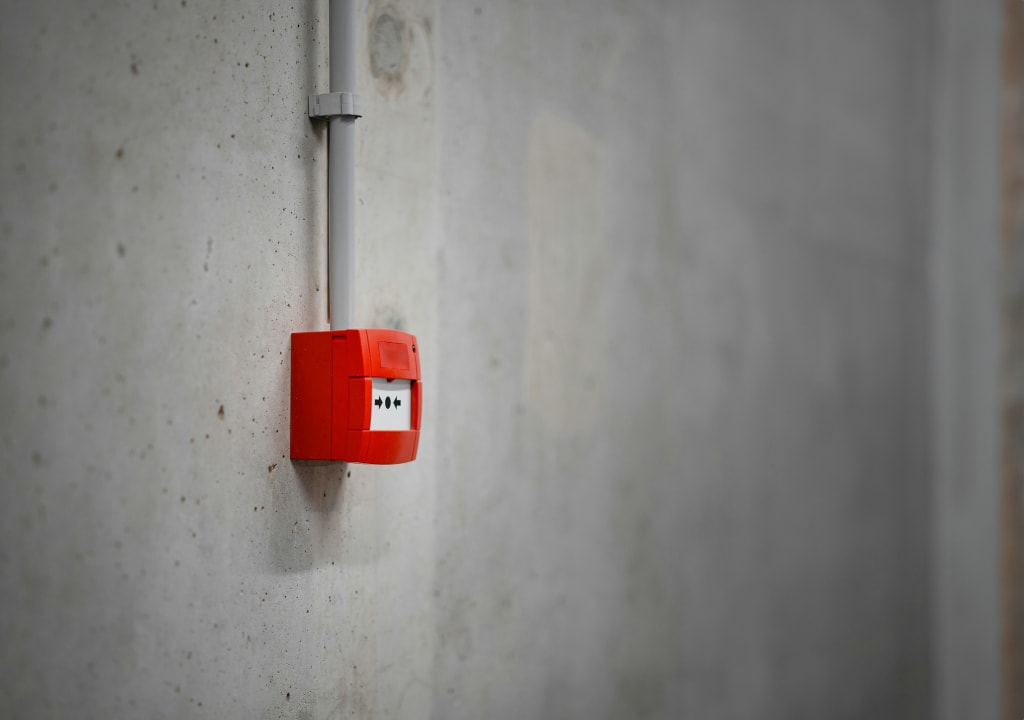
Fire threat poses risks to lives and property, making effective fire suppression systems essential for safeguarding environments. However, with various available types, it can be difficult to decide which system best suits your specific needs.
That is when understanding the different types of fire suppression systems becomes crucial. Therefore, this guide will explore the most common fire suppression systems while highlighting where they are most effective and their specific advantages. By exploring these systems in detail, you can make an informed choice that aligns with your fire risk profile, environmental considerations, and regulatory requirements.
Water-Based Systems
Water-based systems, such as sprinkler systems, are among the most common fire suppression methods in various environments. These systems release water when they detect heat, effectively controlling or extinguishing fires. They are best suited for offices, schools, and residential buildings due to their cost-effectiveness and relatively straightforward installation process.
One of the primary advantages of sprinkler systems is their ability to cover large areas quickly, providing extensive protection with minimal maintenance required. However, they may not be ideal for spaces with sensitive equipment, such as data centers, where water damage could lead to significant losses. Additionally, sprinkler systems are less effective against certain types of fires, particularly those involving flammable liquids.
Chemical-Based Systems
Chemical-based suppression systems, such as FM-200 and CO2, are designed to extinguish fires by displacing oxygen or interrupting combustion. These systems are especially effective in environments like data centers and server rooms, where protecting critical electronic equipment is essential.
The advantages of chemical suppression systems include their fast-acting nature and effectiveness against Class B (flammable liquids) and Class C (electrical) fires. They are non-conductive, ensuring safety for sensitive technology, and typically require minimal cleanup after discharge. However, remember that high concentrations of these gases can be hazardous to human life, necessitating careful planning and monitoring.
Gas-Based Systems
Inert gas systems use gases such as nitrogen and argon to extinguish fires by lowering the oxygen concentration in a protected area. These systems are well-suited for data centers, archives, and museums, where high-value items need protection.
One of their standout advantages is that they are environmentally friendly and safe for humans at the concentrations used, making them ideal for occupied spaces. Inert gas systems effectively protect high-value items and sensitive electronics without the risk of water damage. However, they require monitoring systems to maintain appropriate gas levels and may act slower than chemical suppression systems in some cases.
Foam Systems
Foam suppression systems use a mixture of water and foam concentrate to create a blanket over a fire, preventing oxygen from fueling the flames. These systems are effective in industrial settings and environments dealing with flammable liquids, such as refineries and chemical plants.
The primary advantage of foam systems is that they can prevent both Class A (ordinary combustibles) and Class B (flammable liquids) fires, providing long-lasting suppression due to the foam blanket. However, they require extensive cleanup after use, as foam residues must be thoroughly removed to prevent damage. Additionally, proper training is essential for effective deployment and operation.
Powder Suppression Systems
Powder suppression systems use dry chemical powders to extinguish fires by interrupting combustion. These systems are versatile and effective across various environments, making them suitable for industrial settings, automotive workshops, and kitchens. One of the main advantages of powder systems is their effectiveness against Class A, B, and C fires, providing broad coverage in diverse applications.
However, cleanup can be challenging, as the powders can be corrosive and create a mess. Additionally, visibility may be significantly reduced after discharge, posing a safety risk during an emergency. While powder suppression systems offer extensive fire protection, their limitations must be carefully considered.
Making Informed Choices in Fire Safety
Understanding the different types of fire suppression systems available allows you to make an informed choice tailored to your specific needs. Each system has unique strengths and weaknesses, making it vital to assess your fire risks carefully. Moreover, always consult with fire safety professionals, such as at King Fire in Singapore, to select the best system for your environment, ensuring you choose one that meets your protection needs and compliance requirements.
About the Creator
Steve John
I’m a writer with a passion for exploring diverse topics, from education and lifestyle to health and wellness. I aim to provide readers with valuable insights and practical guidance across various subjects..
Keep reading
More stories from Steve John and writers in Chapters and other communities.
How Ackenting Group is Transforming Accounting Services for Singaporean SMEs
In Singapore's dynamic business environment, small and medium enterprises (SMEs) typically face challenges when working around the complexities of accounting and financial management. And with traditional accounting practices being time-consuming and complex, many businesses fail to access the real-time insights necessary for informed decision-making.
By Steve Johnabout a year ago in Journal
How has the Israel-US war with Iran affected air travel?
On February 28, Israel and the United States launched a coordinated military operation against Iran, killing Supreme Leader Ali Khamenei. Since then, the conflict has rapidly expanded and affected multiple countries.
By Real contenta day ago in Chapters



Comments
There are no comments for this story
Be the first to respond and start the conversation.