
Who Still Believes in Vampires?
Myths, Reality, and Modern Fascination

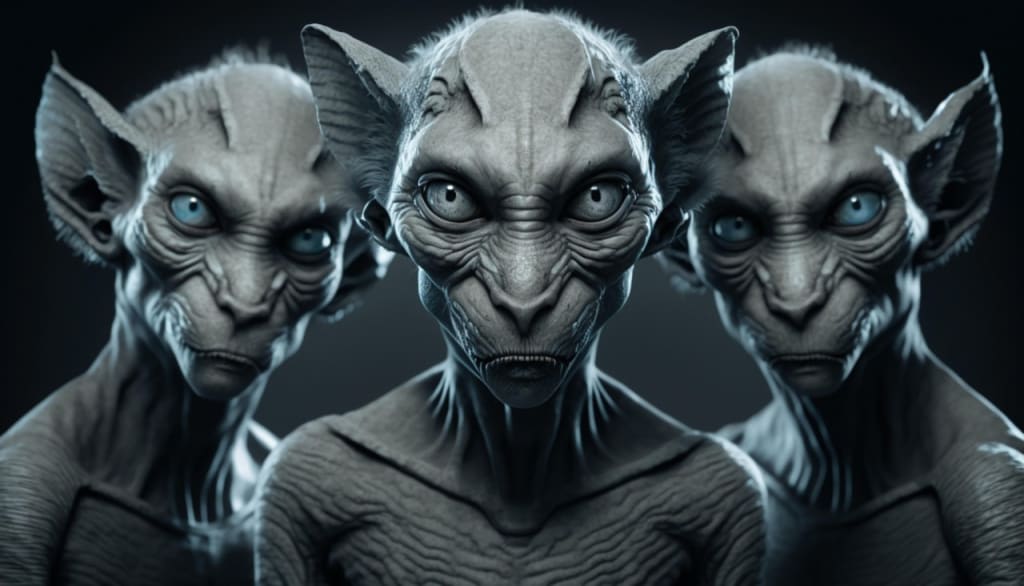
Vampires have fascinated humanity for centuries, appearing in legends, literature, movies, and even contemporary pop culture. But in an age of advanced technology and science, who still truly believes in vampires?
This article explores the origins of the vampire myth, the reasons why belief in these creatures persists, and how vampires continue to influence our collective imagination.
The Origins of the Vampire Myth
The vampire myth has its roots in Eastern European folklore, especially in regions like Transylvania, Serbia, Bulgaria, and Greece. In these areas, stories about the undead who feed on the blood of the living have been passed down from generation to generation. In Romania, the figure of the vampire is closely linked to the legend of Vlad Țepeș, also known as Dracula, who inspired Bram Stoker’s famous novel.
Over time, vampires have been described as supernatural beings with extraordinary powers, but also with specific weaknesses: fear of garlic, crosses, sunlight, and the inability to cast a reflection in mirrors. These details have contributed to shaping a complex and fascinating image that has survived to this day.
Why Did People Believe in Vampires?
In the past, the lack of medical knowledge and scientific explanations for certain diseases led to the emergence and perpetuation of the vampire myth.
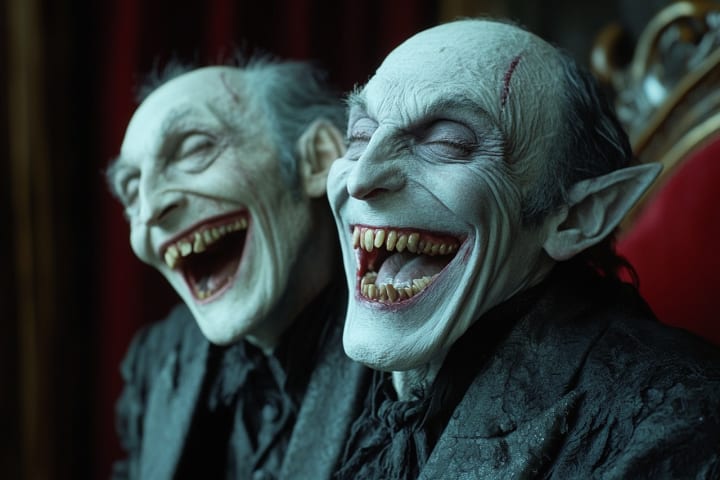
Symptoms such as paleness, unexplained bleeding, or strange behaviors in sick people were often attributed to the influence of vampires. Epidemics of tuberculosis, rabies, or porphyria were frequently interpreted as signs of these creatures’ presence.
Additionally, burial rituals and superstitions related to death fueled belief in vampires. In some villages, corpses were exhumed to check if they had turned into vampires, and measures like driving a stake through the heart or decapitation were considered effective protection methods.
Vampires in Modern Culture
Today, vampires are no longer seen as real threats, but as fascinating characters in literature, movies, and TV series. From Bram Stoker’s “Dracula” to “Twilight,” “The Vampire Diaries,” or “True Blood,” vampires have evolved from terrifying monsters to romantic, mysterious, and often tragic figures.
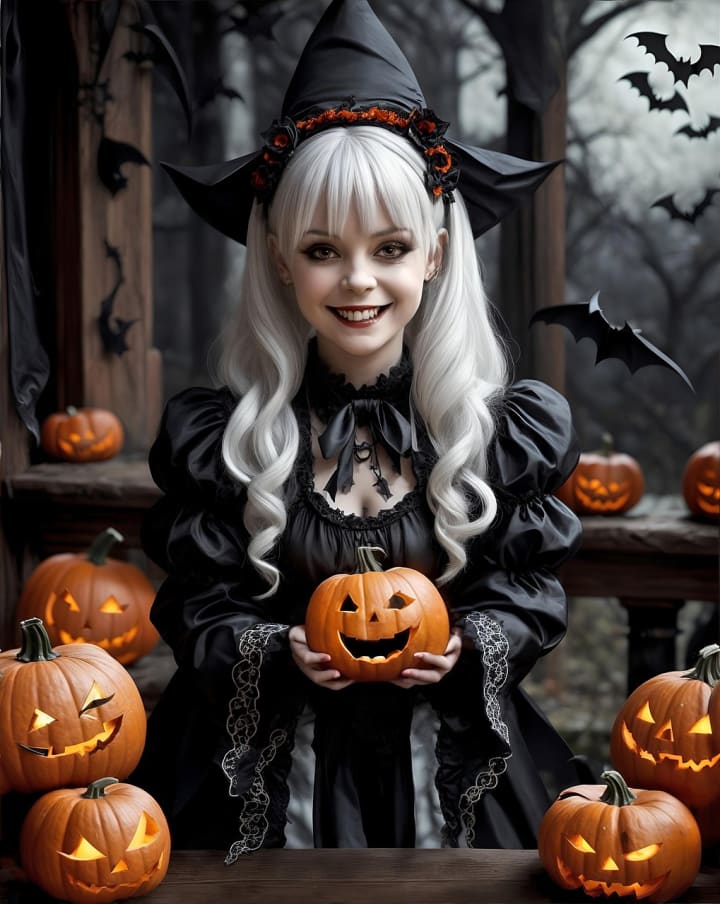
The popularity of these characters shows that, although literal belief in vampires has declined, fascination with their myth persists. Vampires represent, in the collective subconscious, universal themes such as immortality, desire, fear of death, and the struggle between good and evil.
Who Still Believes in Vampires Today?
Currently, belief in vampires as real beings is extremely rare, but it hasn’t disappeared completely. There are small communities, both in Romania and other countries, where superstitions about vampires still persist, especially in rural areas. In some cases, these beliefs are passed down as part of local traditions, without necessarily being taken seriously.
On the other hand, there are people who identify as “modern vampires,” but they do not believe they have supernatural powers. For some, vampirism is a subculture, a lifestyle, or a form of self-expression. Some practice “energy vampirism,” claiming to absorb the vital energy of those around them, while others adopt a style of dress and behavior inspired by the vampire myth.
Vampires and Their Impact on Tourism
Another interesting aspect is the economic impact of the vampire myth, especially in Romania. Bran Castle, associated with the Dracula legend, attracts hundreds of thousands of tourists from around the world each year, eager to discover the “land of vampires.”
This phenomenon shows that, beyond belief, vampires have become a cultural and touristic brand with huge appeal.
Vampires in the Digital Age
The internet and social media have contributed to spreading and reinventing the vampire myth. Online communities dedicated to vampires, forums, blogs, and discussion groups keep this theme alive, adapting it to new trends and public interests.
Memes, cosplay, and themed events show that vampires continue to inspire people’s creativity and imagination.
Why Does the Fascination with Vampires Persist?
Even though science has debunked most myths about vampires, these creatures continue to fascinate us. The reasons are multiple:
Fear of the unknown: Vampires represent the mystery of death and the afterlife, themes that have always preoccupied humanity.
Desire for immortality: The idea of living forever, even at a price, is seductive for many.
Power and seduction: Vampires are often portrayed as powerful, charismatic, and irresistible beings.
The struggle between good and evil: The story of vampires is, essentially, an allegory of the fight between light and darkness, between instinct and reason.
So, who still believes in vampires? The answer is complex. Although literal belief in the existence of vampires has almost completely disappeared, their myth continues to live on through stories, movies, books, and popular culture. Vampires have become symbols of our fears, desires, and aspirations, constantly adapting to society’s new realities.
Whether we see them as monsters, heroes, or simply fictional characters, vampires will likely remain an important part of our collective imagination for many generations to come. And if you’re wondering who still believes in vampires, the answer is simple: everyone who still believes in the power of stories.
About the Creator
Nyku Blondu
📚 I enjoy exploring a wide range of topics – from personal reflections and inspiration to culture, art, and everyday life.
✍️ I believe in the power of words to connect people and awaken emotions.
Keep reading
More stories from Nyku Blondu and writers in BookClub and other communities.
Effective Treatments for Severe Reflux Disease: Non-Surgical Approaches.
Gastroesophageal reflux disease (GERD) is a common condition, often experienced as heartburn, acid regurgitation, retrosternal pain, and difficulty swallowing. While mild cases can usually be managed effectively with lifestyle changes, severe cases often raise questions about non-invasive treatment options. This article explores modern, non-surgical strategies that can significantly improve symptoms without the risks of invasive surgery.
By Nyku Blondu5 months ago in Education
Valentine in Montréal
Don't be fooled by the title. The story is actually very interesting: My name is Valentine. I am twenty-three years old and I work at a little store at Berri-UQAM métro. I am very ordinary-looking and Barney, who works the same shift as me at the store, says I do not know how to dress. I have been working there for four years, and I have never missed a day. This is why sometimes I seem familiar to people, even though they can't place me.
By Kendall Defoe 3 days ago in BookClub



Comments
There are no comments for this story
Be the first to respond and start the conversation.