
Effective Treatments for Severe Reflux Disease: Non-Surgical Approaches.
The Foundation of GERD Treatment

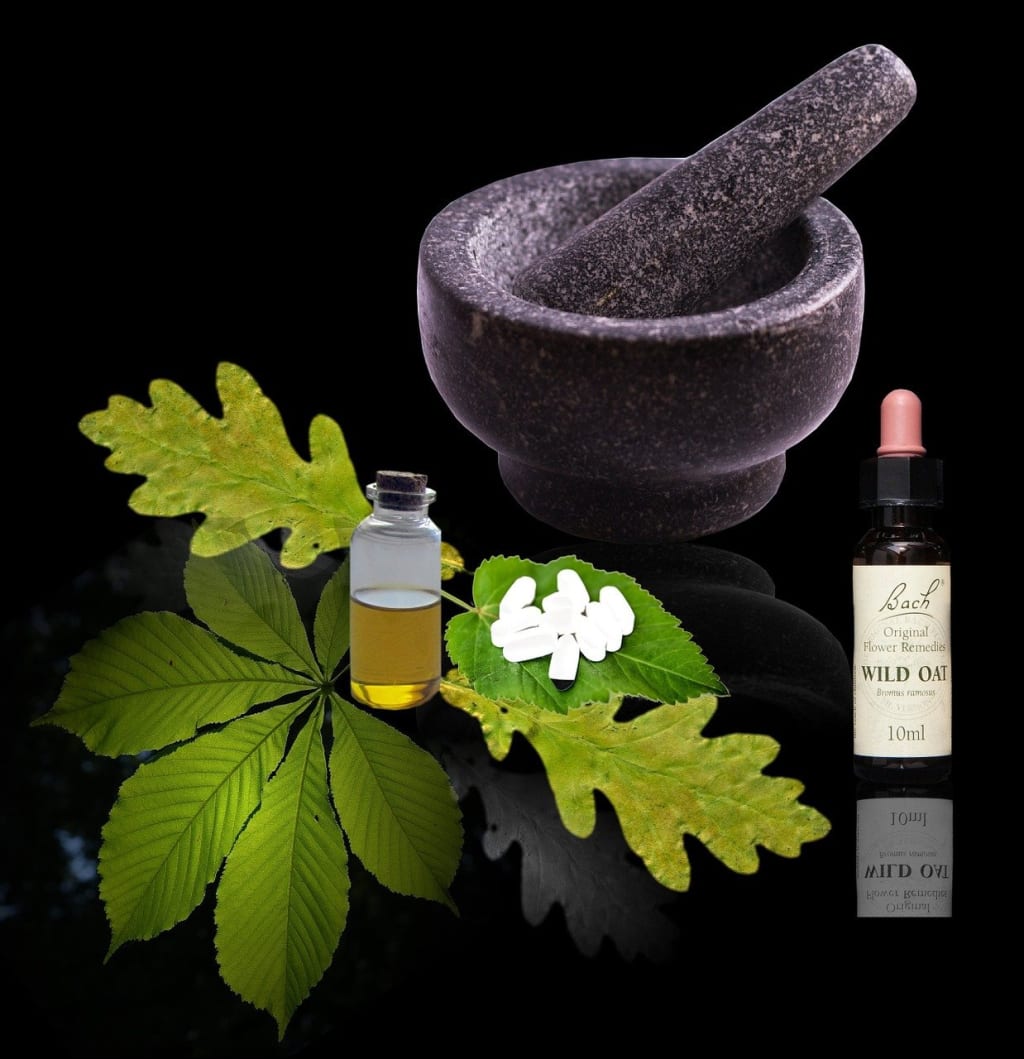
Gastroesophageal reflux disease (GERD) is a common condition, often experienced as heartburn, acid regurgitation, retrosternal pain, and difficulty swallowing. While mild cases can usually be managed effectively with lifestyle changes, severe cases often raise questions about non-invasive treatment options. This article explores modern, non-surgical strategies that can significantly improve symptoms without the risks of invasive surgery.
1. Lifestyle Modifications – The Foundation of GERD Treatment
▪️Medical organizations agree that the first step in managing GERD is adopting lifestyle modifications, which can greatly reduce symptoms.
▪️Adopting a balanced diet, with smaller, slower meals, while avoiding trigger foods such as fatty dishes, coffee, chocolate, alcohol, mint, onions, garlic, tomatoes, spicy seasonings, or carbonated drinks.
▪️Avoiding lying down right after eating—a gap of at least three hours between meals and bedtime is recommended, allowing gravity to help keep stomach acid where it belongs.
▪️Elevating the head of the bed by 15–20 cm (6–8 inches), either with risers or an incline pillow, effectively reduces nighttime reflux.
▪️Managing body weight—excess weight increases abdominal pressure, favoring reflux.
▪️Quitting smoking—nicotine weakens the lower esophageal sphincter (LES), making reflux more likely.
▪️Wearing loose-fitting clothing, avoiding belts or tight pants, reduces pressure on the abdomen.
These simple and accessible strategies can significantly ease symptoms and lower the reliance on medication.
2. Medication – Immediate and Long-Term Relief
Over-the-counter medications:
▪️Antacids (e.g., calcium carbonate) quickly neutralize stomach acid, providing almost instant relief. However, they do not heal esophageal inflammation and may cause side effects like diarrhea or kidney issues if overused.
▪️H2 receptor blockers (such as famotidine or cimetidine) reduce acid production for about 12 hours. They are more effective than antacids for long-term control but act more slowly.
▪️Over-the-counter proton pump inhibitors (PPIs)—lansoprazole, omeprazole, esomeprazole—block acid production more strongly and allow esophageal healing.
Prescription medications:
▪️PPIs at therapeutic doses (esomeprazole, pantoprazole, etc.) provide strong acid suppression and mucosal healing.
▪️High-dose H2 blockers, if PPIs are not tolerated.
▪️Potassium-competitive acid blockers (P-CABs) such as vonoprazan, a newer class, show promise in patients resistant to standard therapies.
▪️Baclofen, a muscle relaxant, may reduce unwanted LES relaxations and reflux episodes, though it is not a first-line treatment.
Medication remains a powerful way to manage GERD, often in combination with lifestyle measures for best results.
3. Endoscopic and Minimally Invasive Procedures – Modern Non-Surgical Options
For patients who do not respond to medication, wish to avoid surgery, or have contraindications, several promising endoscopic options are available:
▪️Gastric mucosal ablation therapy, performed via upper endoscopy without incisions or sutures, can control reflux without major surgical scars.
▪️STRETTA procedure, which applies radiofrequency energy to the LES via endoscopy, strengthens the muscle and reduces reflux episodes. The procedure takes under an hour, with quick recovery.
▪️Transoral incisionless fundoplication (TIF)—performed through the mouth, without abdominal incisions, offering faster recovery and improved tolerance.
▪️Incisionless endoscopic fundoplication, developed at Columbia, uses a stapler, video camera, and ultrasonic instruments inserted through the mouth to reinforce the LES, avoiding external scars.
▪️RefluxStop™ implant, a small laparoscopically placed device that prevents LES displacement into the chest, restoring normal anatomy without compressing the food passage. Clinical studies have shown excellent results: reduced GERD symptom scores, lower acid exposure, minimal regurgitation, improved bloating, and no major adverse events within the first year after implantation.
These endoscopic options are increasingly used, offering attractive alternatives to traditional surgery, with lower risks and faster recovery.
4. When is Surgery Recommended?
Although this article emphasizes non-surgical solutions, surgery is sometimes necessary:
▪️Persistent symptoms despite optimal medical therapy.
▪️Complications such as Barrett’s esophagus, recurrent strictures, bleeding ulcers, or persistent regurgitation.
▪️Dependence on lifelong medication or poor adherence to treatment.
▪️Patient preference to avoid long-term medication.
Surgical interventions, such as laparoscopic or open fundoplication, remain effective. In some studies, they are comparable to long-term medical therapy in resolving symptoms and healing esophagitis.
5. Complementary and Supportive Techniques
In addition to standard treatments, certain supportive methods may help:
▪️Diaphragmatic breathing exercises, especially after meals, can improve LES function and reduce reflux in some patients.
▪️Alternative remedies like ginger, chamomile, or slippery elm are sometimes used as adjuncts. However, they are not proven curative treatments for GERD and should always be discussed with a physician before use.
6. Integrative Conclusion
Severe reflux disease can be effectively managed without surgery, through a combination of:
▪️Lifestyle and dietary adjustments (meal timing, head elevation, weight management, smoking cessation),
▪️Medication (antacids, H2 blockers, PPIs, P-CABs),
▪️Minimally invasive endoscopic procedures (STRETTA, ablation, TIF, incisionless fundoplication, RefluxStop™),
▪️Supportive approaches (breathing techniques, cautious use of herbal remedies).
For patients wishing to avoid invasive surgery, these strategies provide a wide therapeutic arsenal tailored to individual needs and disease progression.
The optimal choice depends on symptom severity, comorbidities, personal preferences, and access to modern procedures. Gastroenterology consultation remains essential for personalized assessment and treatment planning.
About the Creator
Nyku Blondu
📚 I enjoy exploring a wide range of topics – from personal reflections and inspiration to culture, art, and everyday life.
✍️ I believe in the power of words to connect people and awaken emotions.
Keep reading
More stories from Nyku Blondu and writers in Education and other communities.
How to Make Money from Poetry: Websites That Pay Up to $300 per Poem !!!
Poetry has always been valued for its beauty and expressiveness. For many, however, it remains only a hobby, unpaid. In recent years, the digital world and literary publications have created real opportunities for poets to be financially rewarded for their talent. There are websites and magazines that pay significant amounts, sometimes up to $300 for a single poem. This article will present the best platforms and guide you step by step to turn your passion into income.
By Nyku Blondu7 months ago in Education
How to Start a Home Remodeling Business
Starting a home remodeling business can be a good opportunity for people who enjoy construction, repairs, and improving homes. Many homeowners want to update their kitchens, bathrooms, roofs, and living spaces, but they often need skilled professionals to handle the work.
By supun fernando3 days ago in Education
International Footballer Joins Forces With StoryZoo
An international footballer has joined forces with one of the UK’s main education platforms to launch a brand-new nationwide initiative. Levi Colwill who has played for both Chelsea and England aims to reverse the decline in children’s reading engagement by teaming up with StoryZoo to launch a brand-new scheme which will look at increasing the rate at which children gain the valuable skills they need to read.
By Ashish Prabhu2 days ago in Education
TUS NUA - ch 53
TUS NUA – ch 53 New Beginnings – Mia and Midnight (*)(*)(*) Finola knew Ali’s brother-in-law needed to put his mind at rest. She fed her arm through his and led him outside. “We’ll sit here. If you like, I can put a block around us so our conversation will be private.”
By Margaret Brennan5 days ago in Fiction



Comments
There are no comments for this story
Be the first to respond and start the conversation.