
Turning Pages: Understanding the Resurgence in the Preferability of Physical Books in a Digital World
Rediscovering the Timeless Charm of Print in a Digital World

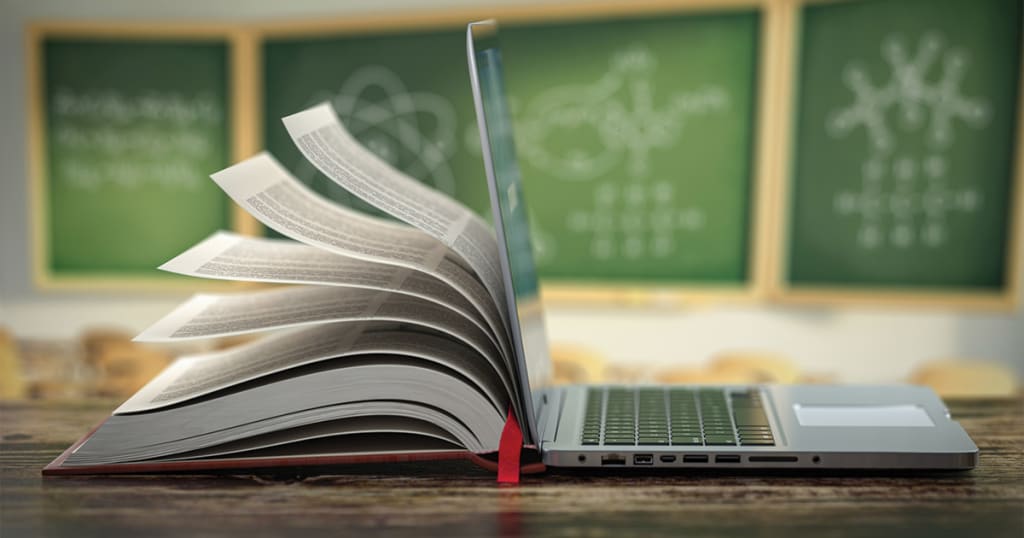
Modernization and the development of the digital world was indeed welcomed with open arms, however book lovers probably thought it to be the end of traditional books. E-readers and digital formats appealed to the readers' everyday lives with ease and low ecological cost. Nonetheless, despite the projections that print books would become irrelevant with the rise of digital platforms, they have not only survived but are truly making a comeback. This renaissance demonstrates the undying interest people have towards the physical elements of reading instead of technology.
The Digital Disruption
In the early stages of their introduction, electronic books and their readers were considered to be a revolution and a threat to print books. The presence of e-readers that could easily contain numerous books and offer mobility to its users, was consistent with modern lifestyles. Digital literature was also quick to develop and introduced a whole new generation to the realm of literature, providing options that were inexpensive and readily available. Yet, the scenario that e-books would surpass paper books in the popularity was overestimated. Paper books remain competitive in the market today, which only proves their irreplaceability.
The Attraction of the Material
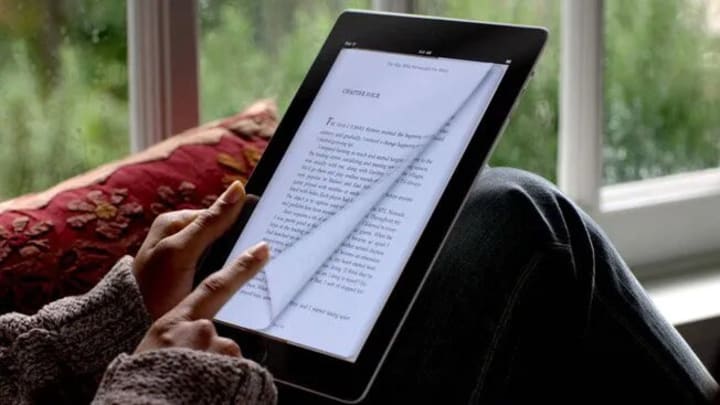
Let’s talk about something that the Kindle or iPad will never replicate – the experience of holding a physical book. The weight, the pages, the smell of the paper – all these aspects give one a chance to reminisce about the story and feel its presence. Such physical interaction creates an emotional attachment with the reading material thereby elevating the experience. For a lot of people, the experience of going through pages of a book feels special and makes them nostalgic for all the right reasons today when everything is digital.
Aestheticism in Book Publishing
The influence of Instagram or Pinterest transforms books from just being informative to collectibles. In turn, publishers brought out some eye-catching covers and special edition books in order to keep up with the trend. There are entire sections of Instagram dedicated to aesthetically pleasing books, emphasizing their importance in human life and contemporary interior design.
Community and Connection
In terms of creating community, which is usually a hallmark of collective efforts, physical books seem to perform better than any digital platform. Various cultural practices, such as bookshops, fairs and public libraries attract readers’ attention by providing opportunities for them to meet and engage in activities aimed at building goodwill and affection for books. The online experience falls short of replicating such interactions, alongside the pleasure that comes with hovering around platforms in search of unique finds. There is also a tendency for reading circles and book clubs that have developed around external editions, making the physical dimension of the content more collective.
Environmental Considerations.
E-books have come promoted as devices which are most considerate to the environment, now however, it’s time to reconsider the environmental impacts of tangible books as well. There are measures being embraced by a majority of book publishing houses today, which include using recycled materials and encouraging responsible logging practices. Also, physical books can, on many occasions, have been held for a long time, either within families or communities, creating a case for reduced waste as opposed to disposable electronic devices such as smart phones.
The Future of Reading
The presence of both hard copy and soft copy books is a development that is so advanced, yet at the same time compliments. Electronic books have created more avenues for readers instead of superseding the original parameter, a vice versa already being satisfied by physical copies of books. They work together to guarantee that reading is not only still part of the society but thriving.
Conclusion
The revement of physical books indicates a larger human instinct for fondness, relation, and touch in a technologically advanced era. The fact that pearsons read through printed works pages in modern society merely strengthens the products’ eternal beauty as well as their exceptional capacity to enhance human life.
About the Creator
Diane L. Richardson
Author
Keep reading
More stories from Diane L. Richardson and writers in BookClub and other communities.
How Important Are Book Reviews?
Book reviews are quite crucial in the world of literature, and they impact readers, publishers and authors. They are significant, as they seek the readers and many more to consider picking up the book in the first place in a competitive field. This article examines the reasons as to why there is a need for book reviews providing evidence in terms of books reviewed sales, interest in records, and book reviews metrics engagement with readers.
By Diane L. Richardsonabout a year ago in BookClub
My New Book is Finally Here
My poetry collection Beautiful and Brutal Things is done. It's actually done and finally published over 270 pages. Over a year of my life went into this book. More than a year, really. Long days at my computer, sometimes seven days a week because I couldn't stop even when I probably should have. Then two months of editing that felt harder than the writing itself. But it's finished, and I'm still standing, and the book is real.
By Tim Carmichael3 days ago in BookClub
Cursed Pages & Candlelight
Welcome, brave souls, to The Chapter Cafe—where stories steep like tea and mysteries simmer in the shadows. Tonight, under the flicker of candlelight and the watchful gaze of a harvest moon, we invite you to pull up a chair and sip from our Halloween Mystery Brew.
By Kristen Barenthaler5 days ago in BookClub



Comments
There are no comments for this story
Be the first to respond and start the conversation.