
Trade Shows in 2026: Why the Best Booths Feel “Planned,” Not “Loud”
Trade shows haven’t gotten quieter in 2026 — if anything, the floors feel busier, brighter, and more competitive. What has changed is how people move through them.

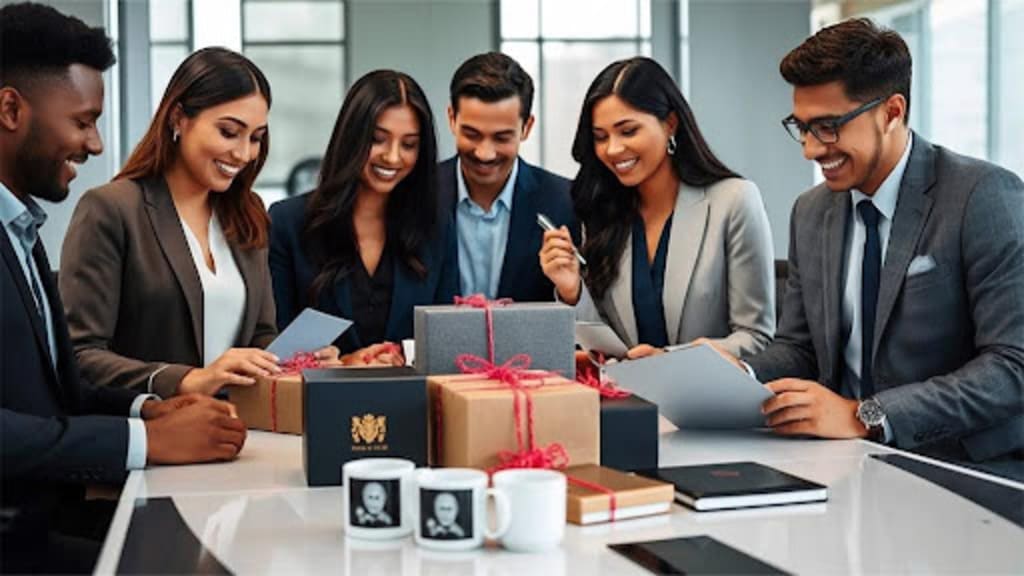
Attendees are more deliberate now. Many arrive with meetings booked, a short list of vendors to visit, and a limited tolerance for anything that feels like time-wasting. They’re traveling with carry-ons, protecting their calendars, and filtering conversations fast. The result is simple: the booths that stand out are rarely the ones that shout the loudest. They’re the ones that feel organized, intentional, and easy to engage with.
This isn’t about having the biggest display or the flashiest gimmick. It’s about reducing friction — for the visitor and for your team — while making your message memorable enough to survive the “post-conference inbox storm.”
The new reality: most people don’t “browse,” they “hunt”
A few years ago, you could rely on foot traffic and curiosity. In 2026, many attendees are on a mission. They’re hunting for specific answers:
- Can this product solve our problem this quarter?
- Is this vendor reliable?
- Does this team understand our industry, or are they winging it?
- Is it worth giving them a follow-up slot after the event?
That means your booth isn’t just a place to “look good.” It’s a fast decision environment. People won’t always tell you they’re evaluating you — but they are.
The biggest difference between average booths and great booths is not budget
It’s preparation.
Great booths tend to have three things in common:
- A simple path for the visitor : They can instantly understand what you do, who it’s for, and what to ask next. No guessing. No long introduction required.
- A clear plan for the team : Everyone knows the goal, the roles, and the next step for a qualified conversation. (This matters more than any booth accessory.)
- A takeaway that supports recall : Not “random swag,” but something that reinforces the brand and keeps the conversation alive later.
And that last piece — the giveaway — still matters in 2026, but only when it’s used intentionally.
Swag still works — but only if it’s designed like a tool, not a toy
The giveaway table used to be a “grab-and-go” zone filled with whatever fit the budget. Today, the best exhibitors treat giveaways as part of the experience.
The items that perform well usually fit one of two categories:
- Desk items that people use during normal work (and keep within reach)
- Travel items that solve a small problem during events and trips
If a giveaway doesn’t land in one of those buckets, it often becomes hotel-room clutter.
The other shift is subtle branding. In 2026, many of the most effective giveaways don’t look like “promo products.” They look like something someone would buy for themselves — clean design, durable materials, minimal logo placement. It reads as confidence, not desperation.
Why flash drives keep coming back (and why that’s not outdated)
It’s trendy to assume flash drives are irrelevant because “everything is in the cloud.” But conferences are messy environments. Wi-Fi gets overloaded. QR codes get ignored. Links get lost in follow-up emails. People leave with good intentions and then return to real life.
That’s exactly why flash drives still show up at serious events: they’re frictionless.
A well-made drive can carry a media kit, product sheet library, slides, offline demos, technical documentation, or “event-only” materials that prospects can open later without searching their inbox. And modern formats make them feel less like a gimmick and more like an everyday tool — for example a USB memory pen, which looks professional on a desk and slides easily into a bag. It’s practical, compact, and familiar.
Used the right way, these aren’t novelty tech items. They’re continuity tools: a simple bridge between a booth conversation and what happens after the event.
The best giveaways aren’t “for everyone” — they’re for the right conversations
One mistake brands still make is treating giveaways like candy: put everything out, let anyone grab, and hope it creates buzz.
But top-performing exhibitors increasingly do the opposite. They gate the best items behind meaningful interactions:
- a short demo
- a scheduled meeting
- a qualified conversation
- a specific question answered
This changes the tone immediately. The giveaway becomes a thank-you, not a bribe. And it helps your team focus on quality leads instead of pure volume.
A simple planning mindset that makes trade shows easier
If trade shows feel chaotic, it’s usually because the planning is scattered. The fix isn’t complicated — it’s structured.
Before the event, align on:
- your primary goal (pipeline, partnerships, recruiting, awareness, account meetings)
- who your ideal attendee is
- what your team should ask to qualify a conversation
- what “success” looks like by the end of the show
- what you’ll send afterward (and how fast)
Then treat your booth like a system, not a stage:
- the visuals should answer “what is this?” in five seconds
- the pitch should be consistent across staff
- the giveaway should support recall and usefulness
- the follow-up should reference the conversation, not just the event
If you want a practical framework to keep that planning organized, you can reference a checklist-style resource like Logotech’s “Trade Show Checklist 2026: Plan, Promote, and Stand Out With Custom Giveaways”. It’s the kind of planning document that helps teams stop improvising and start executing consistently.
Post-event follow-up is where most booths lose the game
A lot of brands do the hard part — travel, booth setup, conversations, meetings — and then fumble the follow-up. In 2026, follow-up is not an afterthought. It’s the conversion moment.
A simple rule: follow up while the memory is still warm.
Even better: include continuity.
- “As promised, here’s the deck.”
- “The flash drive we gave you has the case studies, but here’s the same folder online.”
- “You mentioned X problem — here are the two options we discussed.”
Those tiny specifics are what separate real follow-up from generic “great to meet you” messages.
The booths people remember feel easy, clear, and intentional
In 2026, attention is expensive. The brands that win trade shows aren’t always the ones with the biggest spend. They’re the ones that reduce friction, respect time, and give people a reason to remember them later.
Plan the booth like a system. Choose giveaways like tools. Treat follow-up like the real event.
Because when the expo hall is gone and the banners are packed up, the only thing that matters is whether the right people still remember you — and whether you made it easy to take the next step.
About the Creator
Sohaib Abbasi
Boost Your Website's Authority with High-Impact Guest Posts & Premium Backlinks | SEO Expert | Outreach Specialist | Digital Content Strategist | Strategic Guest Blogger | Freelancer
Keep reading
More stories from Sohaib Abbasi and writers in BookClub and other communities.
XRP Price
Introduction to XRP xrp price is a digital asset created by Ripple Labs. It is designed to function as a bridge currency in the global financial system, facilitating fast and low - cost cross - border transactions. Unlike Bitcoin, which is mainly seen as a store of value or a speculative asset, XRP aims to revolutionize the traditional banking and payment systems. Since its inception, XRP has attracted significant attention from both the cryptocurrency community and financial institutions. The price of XRP is influenced by a multitude of factors, making it a fascinating subject for analysis.
By Sohaib Abbasi3 months ago in 01
Rachel Reviews: Lunch Tales: Teagan by Lucille Guarino
Well, I did enjoy this! Sometimes, all you need is just great storytelling and this is what Lucille Guarino delivers here. There's no big message to this book; it's just about folks and families, living their lives and coping with everything that's being thrown at them and finding their way. But when it's done well, like it is here, then you have characters to whom you can relate, tension which leaves you rooting for a better outcome, attraction which has your heart racing and an urge, as a reader, to see the characters happy with the people with whom they belong.
By Rachel Deeming6 days ago in BookClub
8 Books That’ll Make You Ask Why Nobody Told You About Them
In the vast universe of literature, some books quietly slip under the radar, only to leave a lasting impression on those who discover them. These are the hidden gems, the literary treasures that make you pause, reflect, and ask yourself: Why didn’t anyone tell me about this sooner? Whether you’re a casual reader or a seasoned bibliophile, uncovering these underrated works can transform your perspective, challenge your assumptions, and inspire personal growth.
By Diana Meresc3 days ago in BookClub


Comments
There are no comments for this story
Be the first to respond and start the conversation.