
Top 5 Self-Help Books You must Read
Discover the Best Self-Help Books for Personal Growth in 2025


1. The 7 Habits of Highly Effective People: Powerful Lessons in Personal Change by Stephen R. Covey
Stephen R. Covey, a renowned educator and business consultant, first published this groundbreaking book in 1989, but its principles remain relevant for anyone seeking long-term success in 2025. As one of the best self-help books for productivity, it shifts focus from quick fixes to character-building habits that foster effectiveness in personal and professional life.
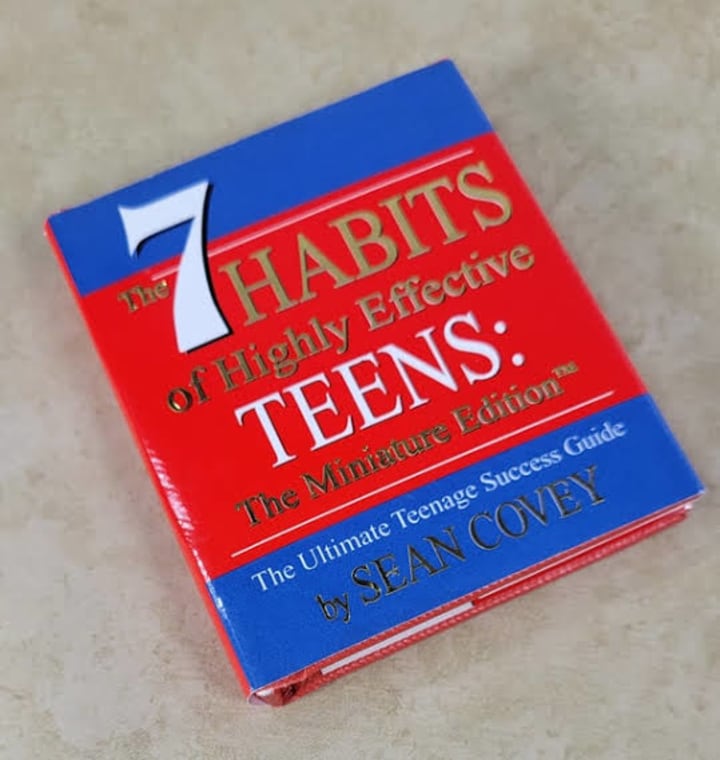
Key points from the book include:
- Be Proactive: Take responsibility for your actions and focus on what you can control, rather than reacting to external circumstances.
- Begin with the End in Mind: Define your long-term goals and values to guide daily decisions, ensuring alignment with your life's mission.
- Put First Things First: Prioritize tasks based on importance, using time management matrices to balance urgent and non-urgent activities.
- Think Win-Win: Seek mutually beneficial solutions in relationships, promoting abundance mentality over scarcity.
- Seek First to Understand, Then to Be Understood: Practice empathetic listening to build trust and resolve conflicts effectively.
- Synergize: Collaborate with others to create outcomes greater than the sum of individual efforts.
- Sharpen the Saw: Invest in self-renewal through physical, mental, social, and spiritual activities for sustained growth.
Covey's holistic approach has sold over 40 million copies worldwide, making it a staple in self-help literature. If you're new to personal development books, this one provides a solid foundation for lasting change.
2. How to Win Friends and Influence People by Dale Carnegie
Dale Carnegie, a pioneer in public speaking and interpersonal skills training, wrote this iconic self-help book in 1936. Without a formal subtitle, it stands as a timeless guide to building meaningful connections. In 2025, with social media dominating interactions, this book remains one of the top self-help books for improving communication and relationships.
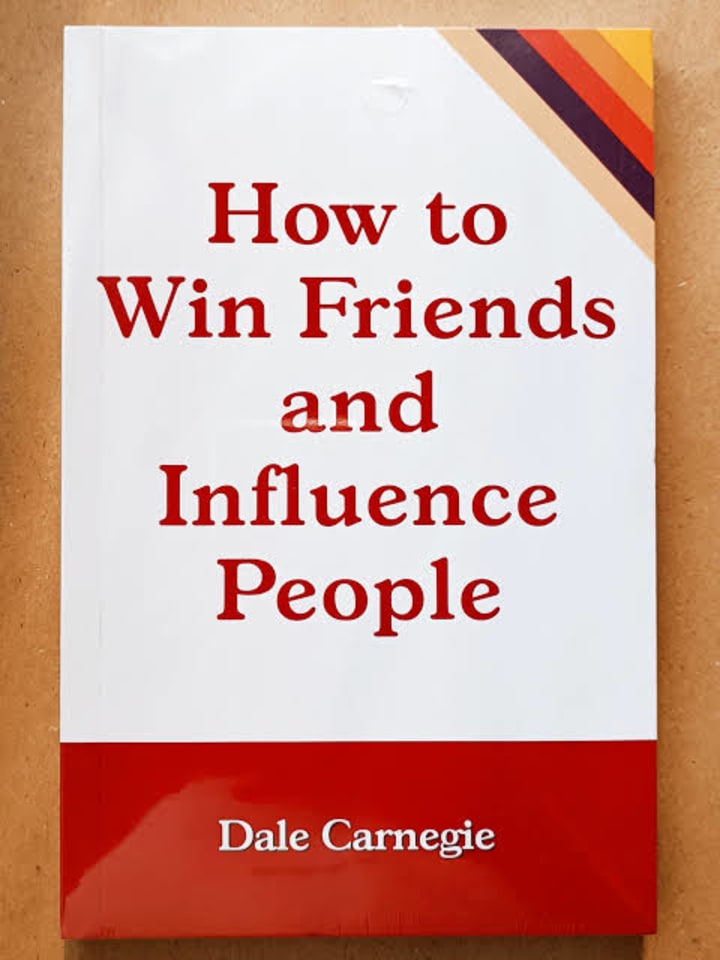
Key points to take away:
- Become Genuinely Interested in Other People: Show sincere curiosity to foster deeper bonds and make others feel valued.
- Smile and Remember Names: Simple gestures like smiling and using someone's name can create positive first impressions and lasting rapport.
- Be a Good Listener: Encourage others to talk about themselves, avoiding interruptions to build trust.
- Talk in Terms of the Other Person's Interests: Frame conversations around what matters to them for more persuasive influence.
- Make the Other Person Feel Important: Offer honest praise and appreciation to motivate and inspire.
- Avoid Arguments: Handle disagreements diplomatically by finding common ground and admitting faults when necessary.
- Give Honest and Sincere Appreciation: Use positive reinforcement to change behaviors without criticism.
Carnegie's practical advice, drawn from real-life examples, has helped countless professionals and individuals enhance their social skills. It's perfect for anyone searching for "self-help books on communication" in today's networked world.
3. Atomic Habits: An Easy & Proven Way to Build Good Habits & Break Bad Ones by James Clear
James Clear, a habit expert and writer, released this modern self-help masterpiece in 2018. As habits shape our lives, this book tops lists for the best self-help books on habit formation in 2025, offering science-backed strategies for small changes that lead to remarkable results.
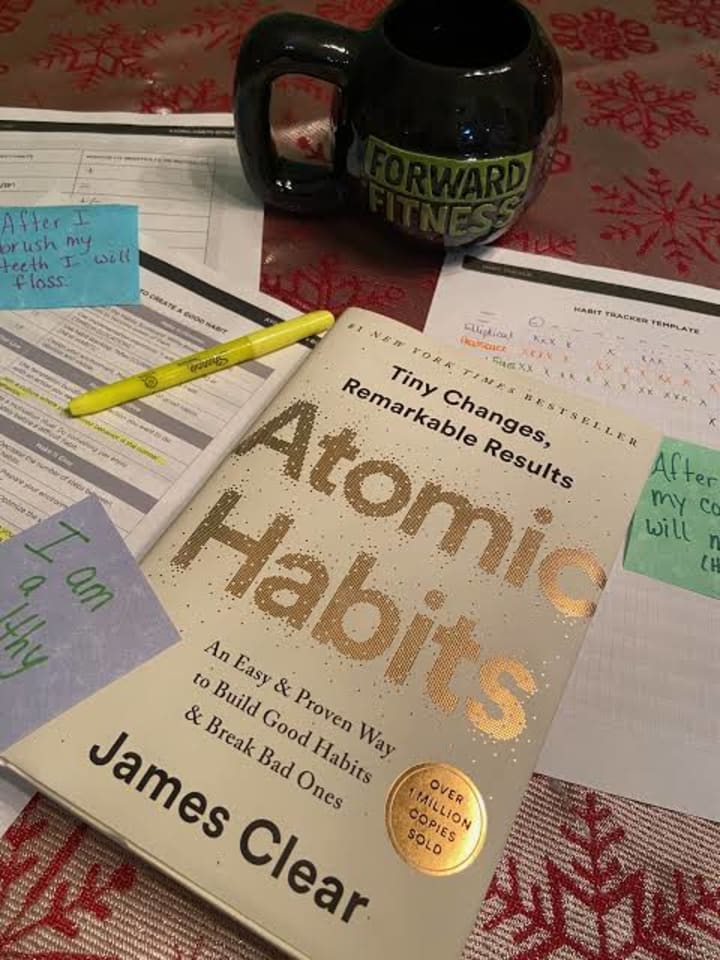
Key points include:
- Make It Obvious: Design your environment to cue good habits, like placing workout clothes in plain sight.
- Make It Attractive: Pair habits with rewards to increase motivation, using temptation bundling techniques.
- Make It Easy: Reduce friction for positive behaviors by starting small and scaling up gradually.
- Make It Satisfying: Track progress and celebrate wins to reinforce habit loops.
- The Two-Minute Rule: Break habits into tiny actions that take less than two minutes to start, overcoming procrastination.
- Habit Stacking: Link new habits to existing routines for seamless integration.
- Invert Bad Habits: Apply the opposite strategies to break negative patterns, such as making them invisible or difficult.
Clear's clear (pun intended) framework, supported by research from psychology and neuroscience, makes it accessible for beginners. If you're aiming for self-improvement through daily routines, this is a must-read.
4. The Power of Now: A Guide to Spiritual Enlightenment by Eckhart Tolle
Eckhart Tolle, a spiritual teacher who experienced a profound awakening, authored this enlightening book in 1997. With its subtitle emphasizing spiritual growth, it's among the top self-help books for mindfulness and inner peace in 2025, helping readers escape the traps of past regrets and future anxieties.
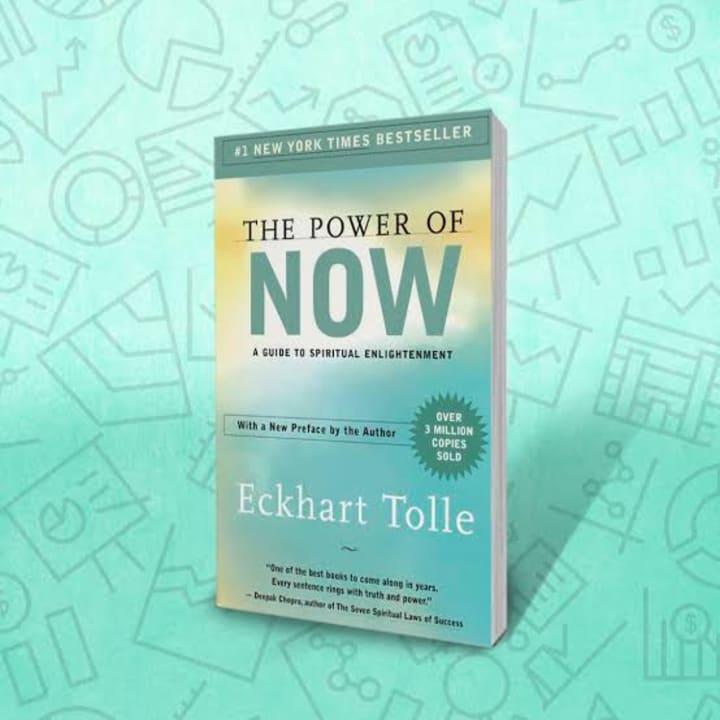
Key points to ponder:
- Live in the Present Moment: The ego thrives on time-bound thinking; true peace comes from being fully present.
- Observe the Mind: Watch your thoughts without judgment to detach from mental chatter and reduce suffering.
- Accept What Is: Resistance to the present creates pain; surrender leads to acceptance and transformation.
- The Pain-Body: Recognize accumulated emotional pain as a separate entity and dissolve it through awareness.
- Enlightened Relationships: Approach connections from a place of presence, free from ego-driven needs.
- Consciousness as the Key: Enlightenment isn't about adding knowledge but accessing the timeless dimension within.
- Silence and Stillness: Cultivate inner quiet to connect with your true self beyond form.
Tolle's profound insights, blending Eastern philosophy with practical advice, have resonated with millions. For those seeking "self-help books on spirituality," this guide offers a path to profound inner freedom.
5. Man's Search for Meaning by Viktor E. Frankl
Viktor E. Frankl, a psychiatrist and Holocaust survivor, penned this poignant memoir and psychological treatise in 1946. Often subtitled as "An Introduction to Logotherapy" in some editions, it's a cornerstone among self-help books for resilience and purpose, especially relevant in 2025's uncertain times.
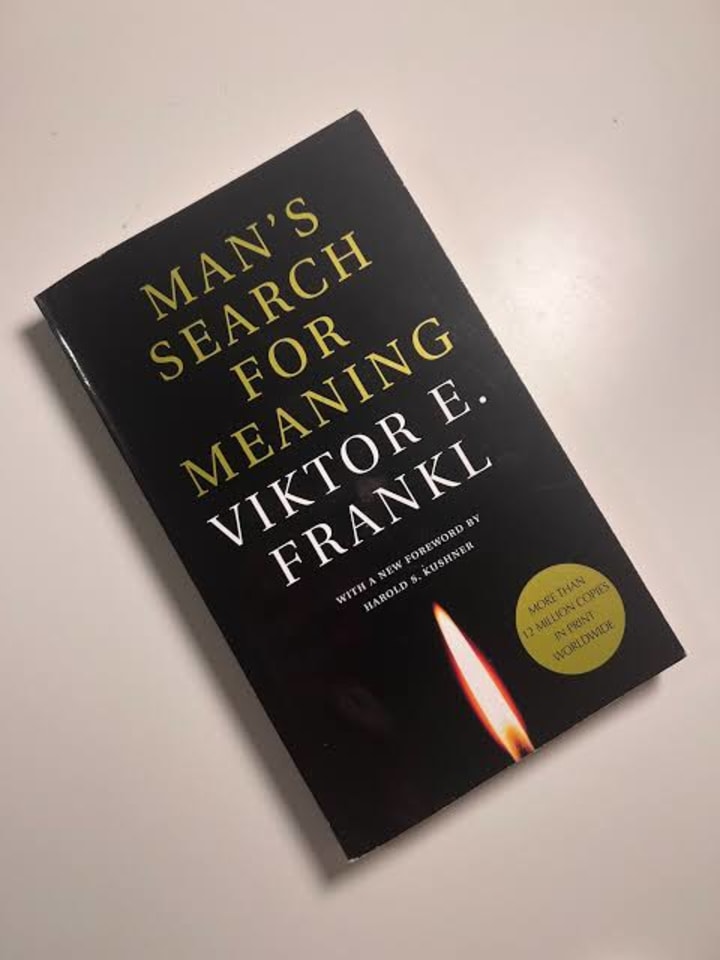
Key points from Frankl's wisdom:
- Finding Meaning in Suffering: Even in the worst circumstances, one can choose their attitude and find purpose.
- Logotherapy Basics: Focus on the future and meaning rather than past traumas, unlike traditional psychoanalysis.
- The Will to Meaning: Humans are driven by a search for purpose, not just pleasure or power.
- Freedom of Choice: We can't control events, but we can control our response to them.
- Three Paths to Meaning: Through work (doing something significant), love (caring for others), and suffering (changing attitude toward unavoidable pain).
- Tragic Optimism: Maintain hope and say "yes" to life despite its tragedies.
- Detachment from Outcomes: Focus on effort and intention, not results, for inner fulfillment.
Frankl's experiences in concentration camps add authenticity, making this one of the most impactful self-help books on existential questions. It's ideal for readers exploring "books on finding purpose in life."
About the Creator
Am@n Khan
I'm educational storyteller passionate about turning knowledge into engaging narratives.
I write about topics like science, history and life skills.
Contact
WhatsApp : +923336369634
7 Amazing Books To Help Improve Your Critical Thinking
In a world overflowing with information, opinions, and half-truths, critical thinking is no longer a “nice-to-have” skill—it’s essential. Every day, we’re asked to evaluate news headlines, make financial decisions, assess workplace strategies, and navigate complex social issues. Without strong critical thinking skills, we risk accepting flawed arguments, falling for misinformation, or making decisions that don’t serve our long-term goals.
By Diana Meresc2 days ago in BookClub




Comments
There are no comments for this story
Be the first to respond and start the conversation.