
Top 5 Essential Books Every College Student Should Read
A Comprehensive Guide to Academic and Personal Growth


Here are five transformative books that every college student should consider adding to their reading list.
1. "Atomic Habits: An Easy & Proven Way to Build Good Habits & Break Bad Ones" by James Clear
Key Points:
- The compound effect of small, consistent changes in daily routines
- The four-step habit loop: cue, craving, response, and reward
- Strategies for making good habits obvious, attractive, easy, and satisfying
- Techniques for breaking destructive patterns and replacing them with positive behaviors
- The importance of identity-based habits over outcome-based goals
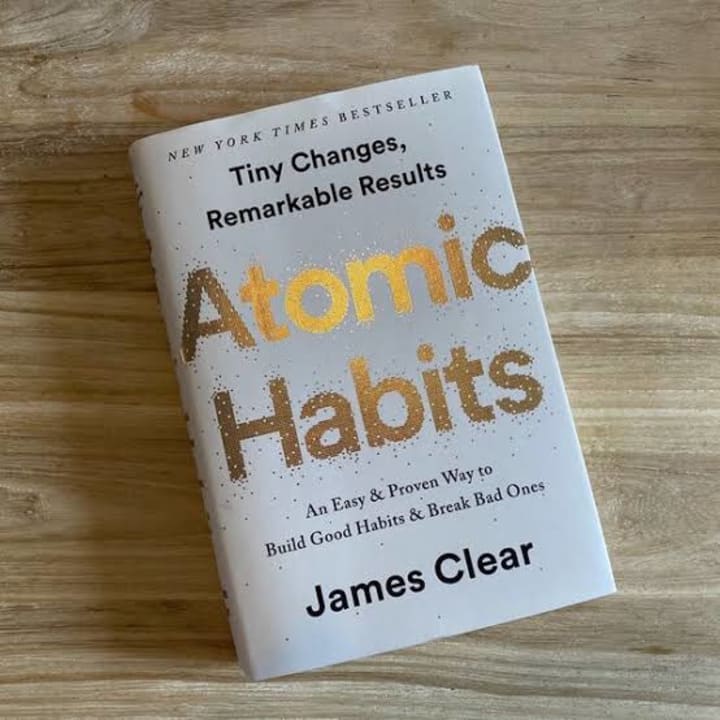
James Clear's groundbreaking work offers practical strategies for developing productive habits essential for college success. Students learn how tiny improvements in study routines, time management, and self-care can lead to remarkable results over time. The book's actionable framework helps students overcome procrastination, maintain consistency in their academic work, and build routines that support both academic achievement and personal well-being. Clear's research-backed approach makes habit formation accessible and sustainable, providing tools that extend far beyond college years into professional life.
2. "The 7 Habits of Highly Effective People: Powerful Lessons in Personal Change" by Stephen R. Covey
Key Points:
- Paradigm shifts and the importance of character over personality
- Proactive thinking and taking responsibility for your responses
- Beginning with the end in mind through personal mission statements
- Time management through priority-based scheduling
- Win-win thinking in relationships and collaborations
- The importance of continuous learning and self-renewal
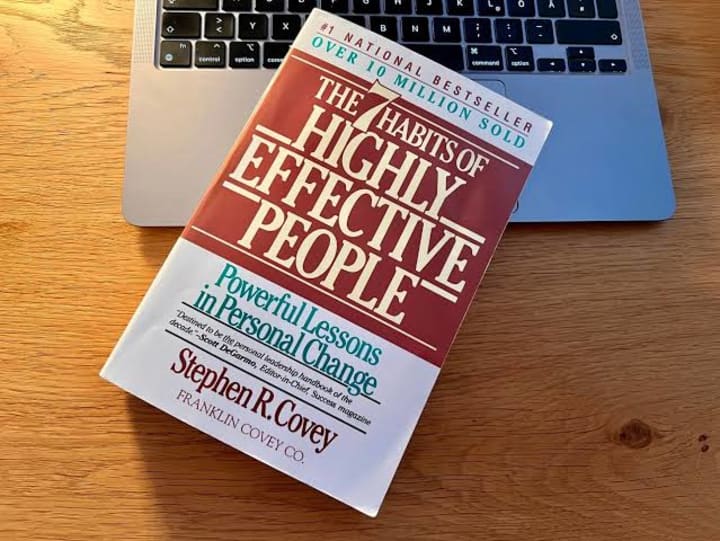
Covey's timeless principles provide a comprehensive framework for personal effectiveness that resonates particularly well with college students navigating newfound independence. The book emphasizes character development, leadership skills, and interpersonal effectiveness—all crucial for academic success and future career advancement. Students learn to prioritize effectively, communicate more clearly, and develop a principled approach to decision-making that serves them throughout their academic journey and beyond.
3. "Mindset: The New Psychology of Success" by Carol S. Dweck
Key Points:
- The fundamental difference between fixed and growth mindsets
- How mindset affects learning, relationships, and achievement
- The power of embracing challenges and learning from failures
- Strategies for developing resilience and persistence
- The role of effort and strategy in achieving success
- Applications of growth mindset in academics, relationships, and personal development
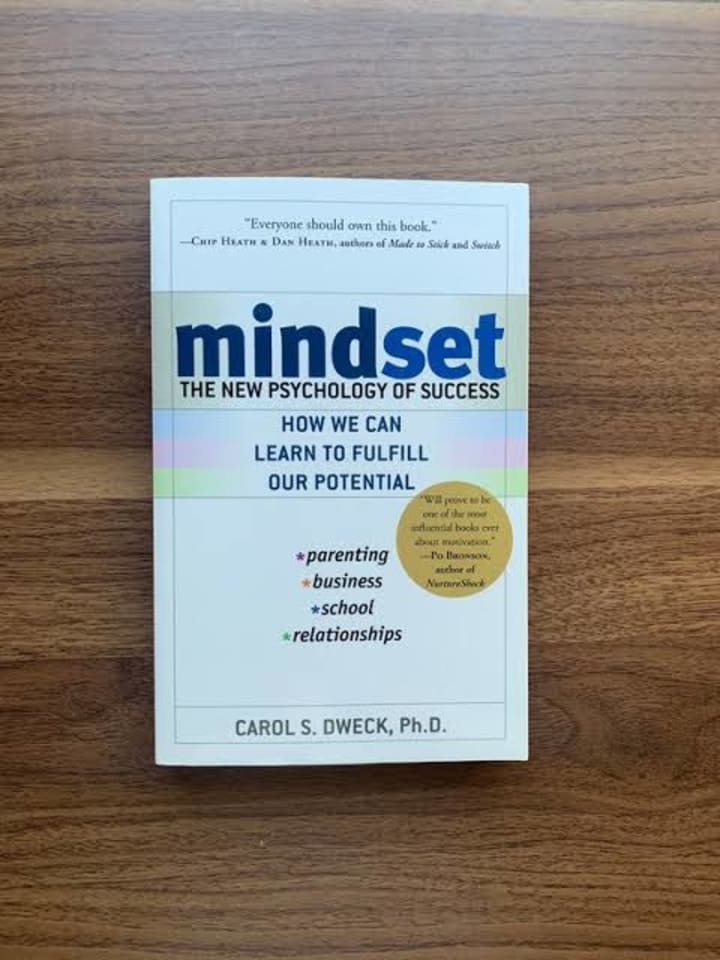
Dweck's research on mindset psychology offers invaluable insights for college students facing academic challenges and personal growth opportunities. Understanding the difference between fixed and growth mindsets empowers students to approach difficulties with curiosity rather than fear, view feedback as valuable rather than threatening, and persist through obstacles that might otherwise derail their progress. This psychological framework is particularly relevant for students transitioning to higher education's increased academic rigor and independence.
4. "How to Win Friends and Influence People" by Dale Carnegie
Key Points:
- Fundamental techniques for handling people effectively
- The importance of genuine interest in others
- Strategies for making people feel important and appreciated
- Principles for winning people to your way of thinking without argument
- Leadership techniques for changing people without arousing resentment
- The power of remembering names and showing sincere appreciation
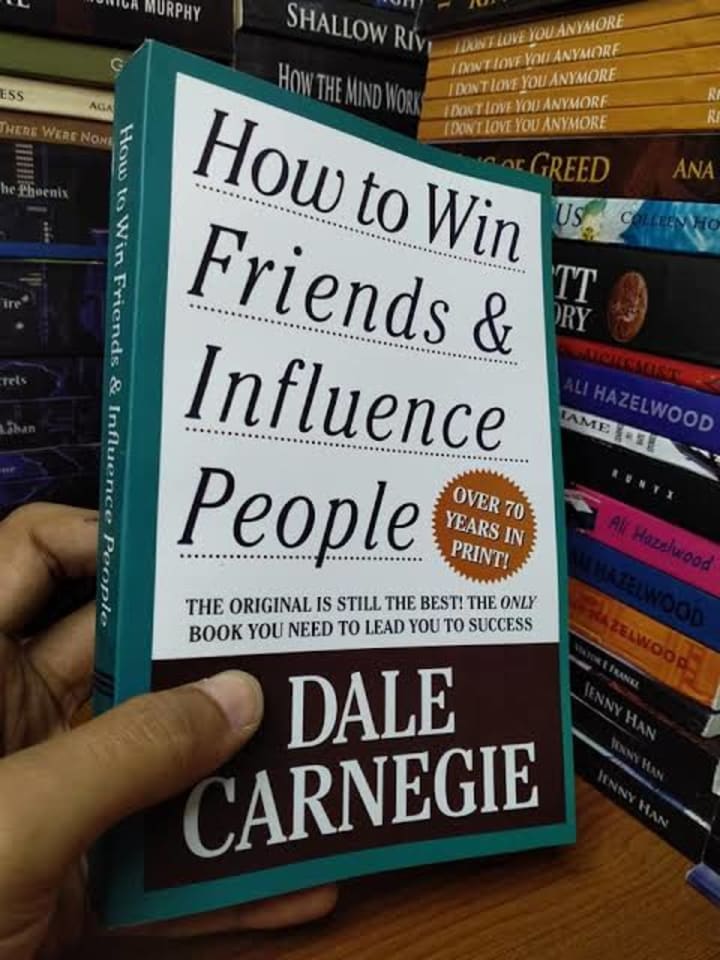
Carnegie's classic work on interpersonal skills remains remarkably relevant for college students building networks, participating in group projects, and developing leadership abilities. The book provides practical techniques for effective communication, conflict resolution, and relationship building—skills essential for success in collaborative academic environments and future professional settings. Students learn to navigate social dynamics more effectively, build meaningful connections with peers and professors, and develop the interpersonal skills necessary for leadership roles.
5. "Man's Search for Meaning" by Viktor E. Frankl
Key Points:
- The importance of finding purpose and meaning in life's experiences
- Logotherapy and the will to meaning as primary human motivation
- How attitude toward suffering can transform experiences
- The freedom to choose one's response to any given situation
- The relationship between meaning, resilience, and mental health
- Practical applications of meaning-centered living
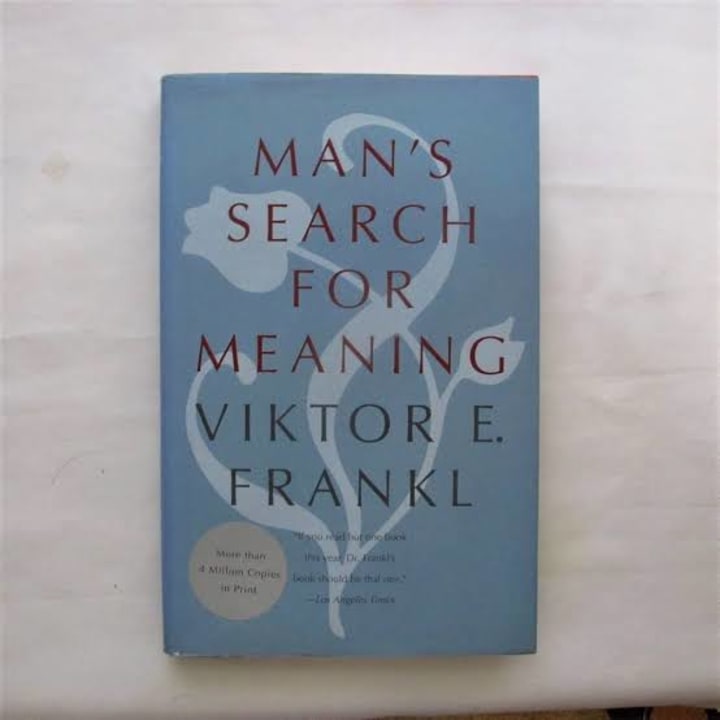
Frankl's profound exploration of human resilience and the search for meaning provides college students with philosophical tools for navigating life's challenges. Written from the perspective of a Holocaust survivor and psychiatrist, the book offers unique insights into finding purpose during difficult times—a particularly relevant message for students facing academic pressure, career uncertainty, and personal growth challenges. The work encourages students to view obstacles as opportunities for growth and to develop an internal locus of meaning that transcends external circumstances.
Conclusion
These five books offer college students a well-rounded foundation for personal development, academic success, and future professional achievement.
About the Creator
Am@n Khan
I'm educational storyteller passionate about turning knowledge into engaging narratives.
I write about topics like science, history and life skills.
Contact
WhatsApp : +923336369634
Rachel Reviews: Lakefront Wolves by Joseph Deegan
Meet Finn. He's an 18 year old kid who has potential. He's bright with great school scores and he's also an athlete, a footballer of some prowess. He has it all going for him, it would seem, and yet, he's determined to send what could be a well-planned, stable existence firmly off the rails. He drinks, he smokes, he takes drugs, he has violent tendencies and he's in danger of losing not only his mind but all that he holds dear.
By Rachel Deeming12 days ago in BookClub
Worth the Wait: Puerto Viejo, Costa Rica
Beach bumming in a small Caribbean beach town sounded like a perfect way to end our 6-month trip through Mexico and Central America. Or so we thought. The foul, fishy stench of rotten seaweed hit our nostrils as we stepped from the cramped bus and looked out at a rather depressing, empty, and underwhelming black sand beach. It was pouring with rain, and we had to quickly fish out our ponchos. We thought, this couldn’t be it, could it?
By Sh*t Happens - Lost Girl Travel7 days ago in Wander



Comments
There are no comments for this story
Be the first to respond and start the conversation.