
The Psychology of Money: 8 Timeless Lessons on Wealth, Greed, and Happiness
How Understanding Money Can Change Your Financial Life and Perspective

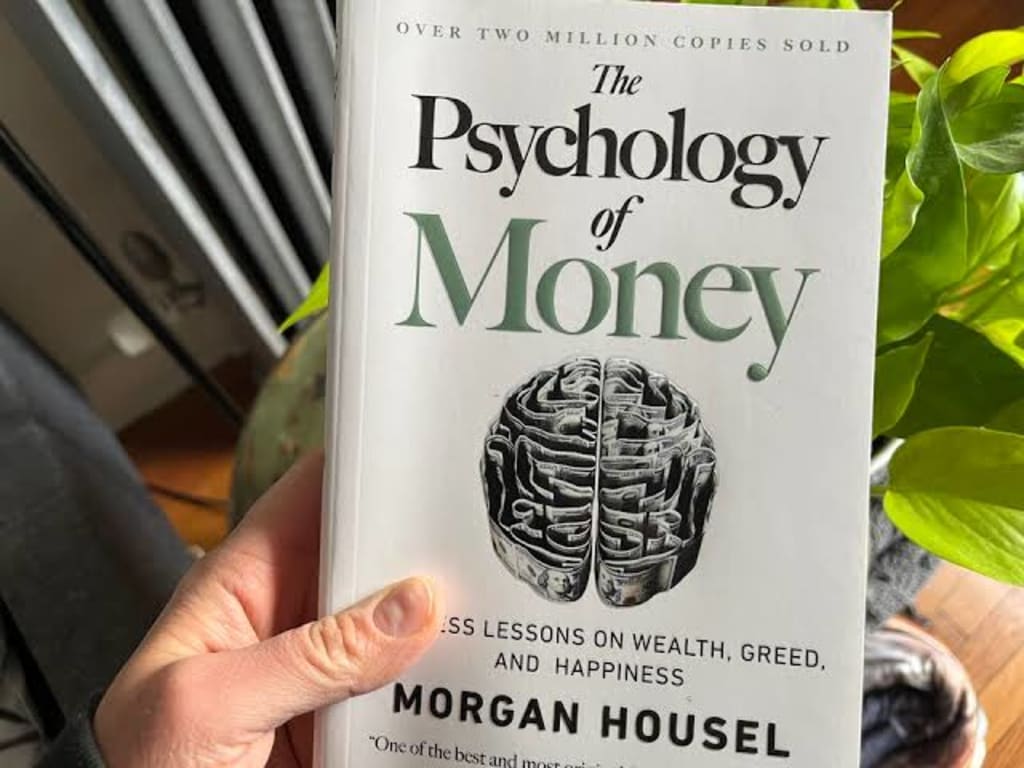
Money is more than just numbers; it is deeply intertwined with emotions, behaviors, and perspectives. In The Psychology of Money, Morgan Housel sheds light on the complex relationship humans have with wealth, offering insights into how we earn, save, and think about money. Here are eight key takeaways from the book that can transform your financial mindset:
---
1. The Power of Compounding is a Superpower
One of the most eye-opening lessons from the book is the impact of compounding. Housel highlights how Warren Buffett amassed most of his fortune not merely by earning high returns but by starting early and staying consistent. Compounding works best when you give it time, making patience a cornerstone of financial success. This principle extends beyond money, applying to knowledge, skills, and relationships. The takeaway? Start early, stay consistent, and let time work its magic.
---
2. Behavior Trumps Intelligence in Wealth Building
Success with money isn’t necessarily about being the smartest person in the room. It’s about how you behave. Emotional decisions, like panic-selling during market downturns or overspending due to lifestyle inflation, can be detrimental. Financial success requires discipline, patience, and a long-term perspective. Recognizing that behavior often outweighs financial IQ in wealth accumulation can be a game-changer.
---
3. The Role of Luck and Risk in Success
Housel underscores the unpredictable role of luck and risk in financial outcomes. He argues that success is often a combination of skill, timing, and chance. Similarly, financial failures can result from factors outside your control. This realization fosters humility and gratitude, while encouraging you to focus on controlling what you can—your decisions and behavior.
---
4. Living Below Your Means Is Freedom
True financial freedom isn’t about earning millions; it’s about needing less than you earn. Housel emphasizes the importance of avoiding lifestyle creep, where expenses rise in tandem with income. Living below your means grants freedom, flexibility, and peace of mind, allowing you to weather financial storms and pursue meaningful goals.
---
5. The Difference Between Getting Wealthy and Staying Wealthy
Building wealth and maintaining it are two separate skills. While taking calculated risks can help you grow your money, staying wealthy requires caution, humility, and a focus on long-term sustainability. Housel advises balancing boldness with prudence to ensure your financial foundation remains strong over time.
---
6. Money’s Greatest Value is Control Over Time
Housel argues that money’s ultimate purpose is to give you control over your time. This means having the freedom to choose how you spend your days—whether that’s pursuing a passion, spending time with loved ones, or simply enjoying leisure. Prioritizing financial independence over material possessions can lead to a more fulfilling and meaningful life.
---
7. The Importance of Personal Definitions of Success
Everyone has a unique relationship with money, shaped by personal experiences, upbringing, and values. What works for one person may not work for another. Housel encourages readers to define their own version of financial success rather than chasing societal standards or comparing themselves to others. By aligning financial goals with personal values, you can create a more satisfying and authentic life.
---
8. The Value of Optimism with a Dose of Realism
While optimism is essential for long-term success, Housel advises pairing it with realism. Financial markets and economies have always recovered from downturns, but it’s crucial to prepare for inevitable bumps along the way. Building an emergency fund, diversifying investments, and avoiding unnecessary risks are practical ways to balance optimism with caution.
---
Conclusion
The Psychology of Money is a profound exploration of the emotional and behavioral aspects of wealth. Its lessons go beyond traditional financial advice, encouraging readers to rethink their relationship with money and make decisions rooted in self-awareness and long-term thinking. By adopting these eight takeaways, you can not only improve your financial life but also find greater peace and satisfaction in the process.
About the Creator
Keep reading
More stories from INFO INSIDER and writers in BookClub and other communities.
7 Extreme Sports You’ve Never Heard Of
When it comes to extreme sports, classics like bungee jumping, surfing, and mountain biking often dominate the conversation. However, there’s a treasure trove of lesser-known activities that push the boundaries of creativity and adrenaline. If you're ready to explore the uncharted territories of adventure sports, here are seven extreme sports you probably haven’t encountered.
By INFO INSIDER 12 months ago in Gamers
My New Book is Finally Here
My poetry collection Beautiful and Brutal Things is done. It's actually done and finally published over 270 pages. Over a year of my life went into this book. More than a year, really. Long days at my computer, sometimes seven days a week because I couldn't stop even when I probably should have. Then two months of editing that felt harder than the writing itself. But it's finished, and I'm still standing, and the book is real.
By Tim Carmichael3 days ago in BookClub
Occult Linguistics
The Hidden Architecture of Sacred Language Occult linguistics occupies a distinctive intellectual and spiritual territory where language is understood as an active, formative force rather than a passive vehicle for meaning. In this framework words, letters, sounds, and symbols are treated as living structures capable of shaping perception, consciousness, and reality itself. Language functions not only as representation but as participation, embedding human thought within cosmological, ritual, and metaphysical systems that have developed over thousands of years. Across esoteric traditions language is regarded as an extension of creation, a medium through which invisible principles become perceptible and operative.
By Marcus Hedare4 days ago in BookClub



Comments (1)
Great lessons! Great job! Well written!