
The Mystery of Nietzsche’s Thus Spoke Zarathustra
Exploring the Depths of Friedrich Nietzsche’s Visionary Philosophy

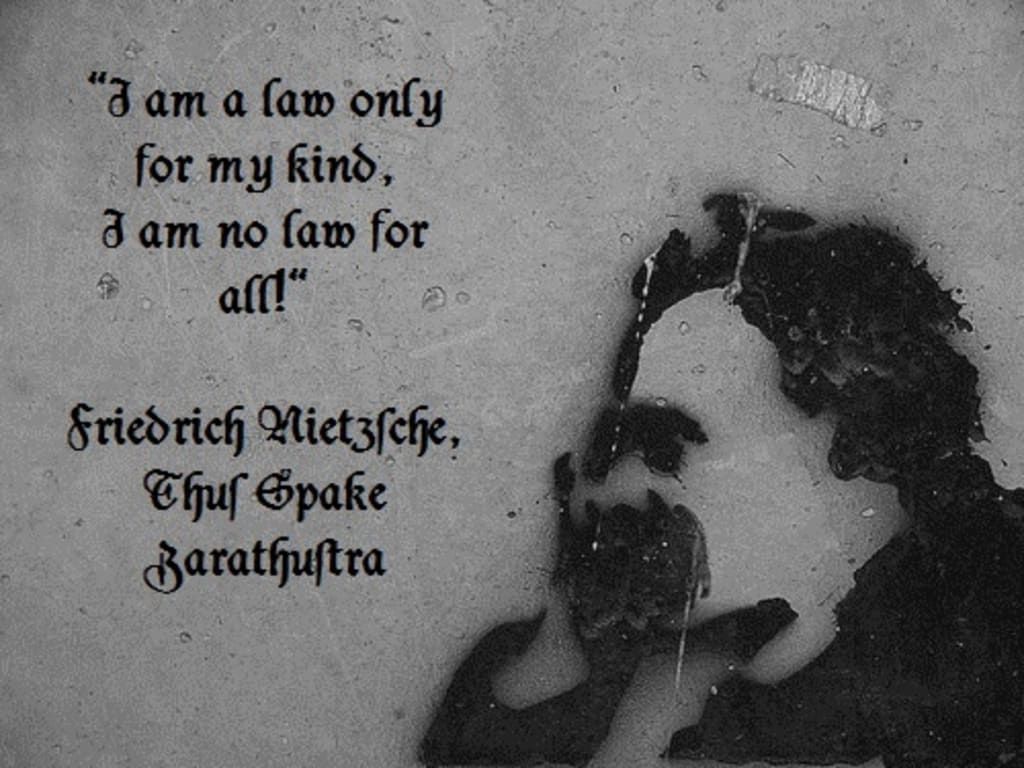
Friedrich Nietzsche’s Thus Spake Zarathustra (which is known as Sprach Zarathustra, in original German) is one of the most compelling and enigmatic works in modern philosophy / art. Written by Nietzsche between 1884 and 1885, this literary-philosophical masterpiece is centered around a prophet-like figure known as Zarathustra.
Zarathustra is loosely based on the ancient Persian religious teacher named Zoroaster. Through Zarathustra, Nietzsche presents some of the most interesting ideas in the history of humanity. Ideas that will go on to shape the world.
Why Thus Spoke Zarathustra is so Important
Nietzsche once said that “Zarathustra is not just another book; it stands alone” and he could not be more right about that. Zarathustra is not only Nietzsche’s personal work but the most profound one. In comparison with Beyond Good And Evil, which provides a very clear analytical framework for Nietzsche’s criticism of preconceptions associated with morality and his views about society at the time.
Here’s how it presents the most beautiful and interesting ideas in the most artistic and effective way: it introduces the concept of Ubermensch as a response to the “death of God”.
The ‘death of god’ is an interesting and recurring idea in Nietzsche's works. An idea so powerful to this day it doesn’t fail to challenge the foundation of traditional morality.
Zarathustra’s Reaction To The Death of God
Zarathustra's reaction to the death of God is really interesting. Through reaction to the fear of death, the existence and non-existence of God and the overwhelming effect of life and nature, Nietzsche teaches his readers (and students) how to deal with and live the best life. You see Zarathustra does not weep over this loss; instead, he proclaims that it is time to transcend the old values and create new ones grounded in human strength, creativity, and love for and acceptance in life.
Zarathustra: Nietzsche’s Prophet
Nietzsche Zarathustra is not a character that’s meant to represent Nietzsche himself but he’s a creative vehicle that Nietzsche uses to present his ideas in a creativity-inspiring and innovative way. The name Zarathustra (or Zaratustra, as some translations mention him as) was chosen by Nietzsche deliberately. Its reason is that Zoroaster had been one of the first figures in history to purpose a clear distinction between good and evil. Nietzsche’s Zarathustra, however, is more evolved and seeks to move beyond good and evil–which as we know also happens to be the title of another foundational Nietzsche work.
In Nietzsche's Beyond Good & Evil, he directly deconstructs and challenges traditional moral norms and preconceptions
Eternal Recurrence and the Will to Power
Two concepts–eternal recurrence and will to power–are the central focus of Thus Spoke Zarathustra. Eternal recurrence is the idea that all things in life will happen over and over again and that too in the same sequence. Nietzsche poses a question and challenges the reader: are you living your life to fullest that you can embrace and accept living it over and over again? Is your life that meaningfully and beautifully lived?
The will to power, meanwhile, is the innate drive in all living beings to increase their power and assert their dominance on everything around them; to increase their strength and influence. Nietzsche champions becoming who you truly are and being unapologetic about it.
The Impact of Sprach Zarathustra
The implications of Nietzsche’s Sprach Zarathustra extend far beyond philosophical ideas. The title of this book also got associated with Richard Strauss’s orchestral poem Also Sprach Zarathustra (1896). The poem got popularity when it was published in Stanely Kubrick’s film 2001: A Space Odyssey. Through this Nietzsche ideas were presented to a younger and perhaps more interested audience.
Conclusion: The Importance of Nietzsche’s Vision
Reading Thus Spoke Zarathustra is not easy–like it’s not straightforward. There are many ideas that are expressed in a poetic way rather than a literal way. Nietzsche’s style is very unique compared to other philosophers; it tends to be cryptic, poetic and provocative. However, being a a student of Nietzsche in any capacity whatsoever can be extremely rewarding.
Nietzsche is someone that not only helps us rethink morality and cultural norms, he motivates us (that too in a very effective way) to avoid conformity.
This is a philosopher who is for those who seek depth, authenticity and long for sincerity. This is a book that is more about the awakening of the detective within to find their own answers, meaning and understanding of life rather than giving concrete answers to life’s hardest questions.
About the Creator
sasha jai
hey, here to write and stuff
7 Great Books That Will Completely Transform How You See the World
In a world overflowing with information, true wisdom often comes not from scrolling endlessly online, but from diving into the pages of a book. Some books do more than tell a story—they reshape the way we think, challenge our beliefs, and illuminate perspectives we never knew existed. The right book can make us question our assumptions, empathize with others, and see the world through an entirely new lens.
By Diana Merescabout 10 hours ago in BookClub


Comments
There are no comments for this story
Be the first to respond and start the conversation.