
The Lungs as Principal Excretory Organs for Weight Loss
Breathing Your Way to a Healthier Weight

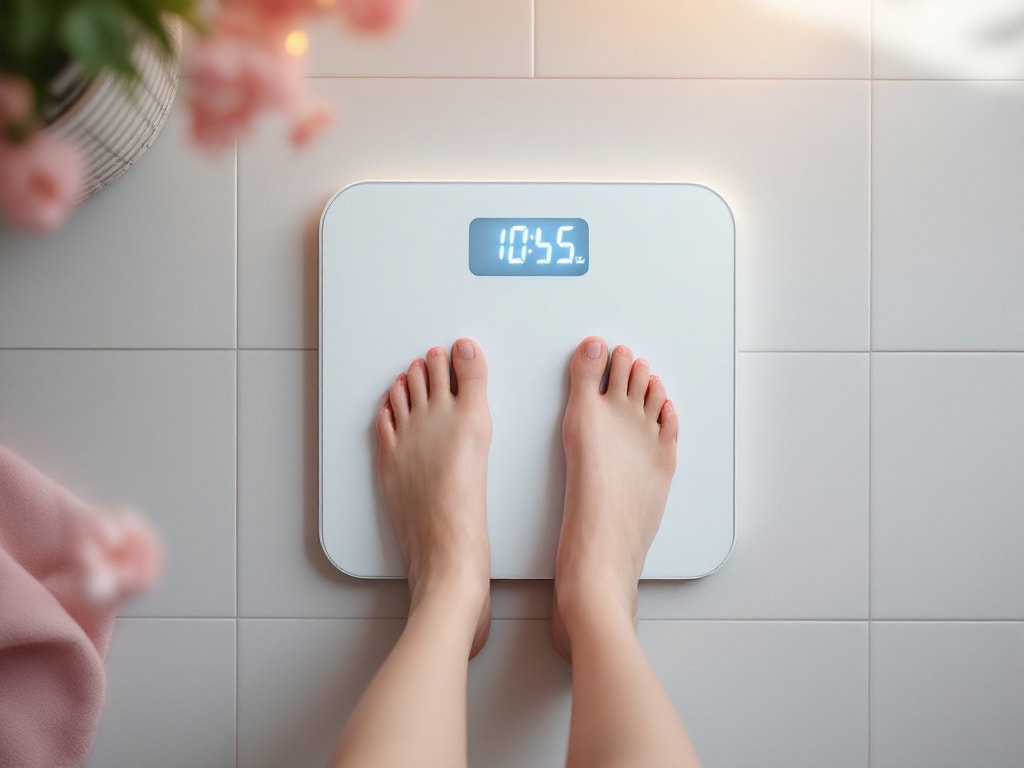
The lungs are, in fact, the principal excretory organs that are responsible for weight loss:
When does fat become lost?
During the process of weight loss, your body will convert fat cells into carbon dioxide and water. Because you exhale the carbon dioxide, the water is absorbed into your circulation and continues to do so until it is expelled via urine or perspiration.
What is the amount of fat that is gone via the lungs?
In a study that was published in The BMJ, it was shown that when 10 kilograms of fat are oxidized, 8.4 kg of the fat are transformed into carbon dioxide and then expelled via the lungs.

Find out how to lose weight.
To lose weight, you need to balance what you consume against what you burn off and exhale. You can accomplish this by:
✓ Consuming fewer calories
✓ Moving more
✓ Engaging in physical activity of a moderate level, such as jogging The practice of engaging in exercises that build muscles, such as weightlifting or Pilates.
✓ Doing breathing exercises

According to experts from the University of New South Wales in Australia, when weight is shed, the bulk of it is breathed out as carbon dioxide. Their study is published in the Christmas edition of The BMJ.
Prof. Andrew Brown and Ruben Meerman revealed widespread confusion about how weight is shed, finding doctors, nutritionists, and personal trainers all equally guilty of not knowing. Most thought that fat is transformed to energy or heat.
Excess dietary carbs and protein are transformed into a kind of fat called triglyceride. When individuals seek to lose weight, they are striving to metabolize these triglycerides while keeping their fat-free mass intact, say the authors.

Triglycerides are formed of three sorts of atom: carbon, hydrogen, and oxygen. Triglyceride molecules can be broken down only by liberating these atoms via a process called oxidation.
On average, a person weighing 70 kg will exhale roughly 200 cc of CO2 in 12 breaths each minute. The authors estimated that each breath comprises 33 mg of CO2, with 8.9 mg composed of carbon. A total of 17,280 breaths throughout the day will get rid of at least 200 g of carbon, with nearly a third of this weight loss happening during 8 hours of sleep.

The carbon that is lost during exhalation is only restored by the ingestion of food and beverages such as fruit juice, milk, and soft drinks.“ Keeping the weight off just demands that you put less back in by eating than you’ve expelled by breathing.
Eat less, exercise more.
The quantity of carbon that is lost may be increased by activity. By exchanging 1 hour of rest for 1 hour of moderate activity such as jogging, the metabolic rate is enhanced sevenfold, eliminating an extra 40 g of carbon from the body, raising the daily total by about 20% to 240 g.
However, this may readily be negated by poor food. A single 100 g muffin, for example, supplies roughly 20% of an average person’s entire daily energy intake.
About the Creator
Velvet Helth
Welcome to Velvet Helth – Your Ultimate Guide to Weight Loss, Fitness, and Optimal Health! 🌟
At Velvet Helth, we're committed to empowering you on your journey to better health, successful weight loss, and improved fitness.
Keep reading
More stories from Velvet Helth and writers in BookClub and other communities.
Sleep Will Help You Lose Weight
Dr. Kirby’s and his Team According to Dr. Kirby’s team, the long-term usage of certain medications leads to weight increase. causes the transformation of microorganisms. During the trials, these medications were tested on mice, and then the animals also underwent weight increase experiments.
By Velvet Helthabout a year ago in BookClub
Rachel Reviews: The Spiral Archive by Pieter Hendrik
It's difficult for me to know where to start with a review of this book as it was, for me, an entirely unique experience and one that I'll probably never have again. I don't want that to be interpreted as unenjoyable but it has left me scratching my head a little and ruminating on its content, its themes and its characters.
By Rachel Deeming4 days ago in BookClub
The CEO of Everything
They say "jack of all trades, master of none," but they forgot to mention the part where the jack of all trades is also the camera woman, the makeup artist, and the person currently yelling at a tangled Wii microphone cable in a her own bathroom while recording herself singing and trying to make it look realistic and professional. (As professional as you can make it with nothing but a cell phone camera and a mic that doesn't work)
By Sara Wilson4 days ago in Humans


Comments
There are no comments for this story
Be the first to respond and start the conversation.