
The Kitchen Witch
Domestic Magic - The Art of Everyday Living

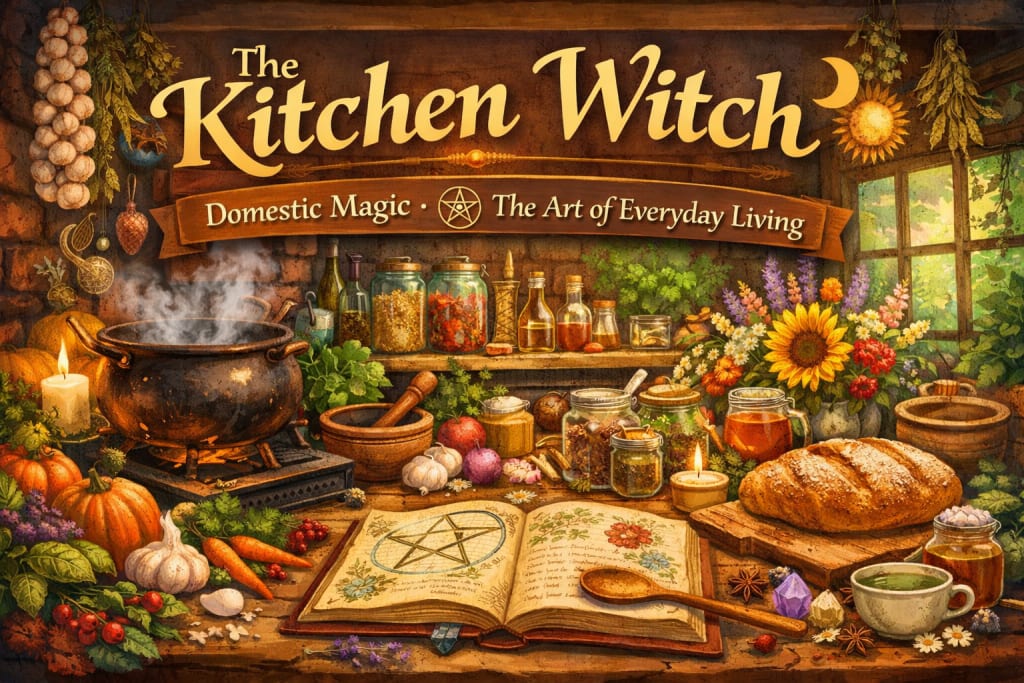
The Power of the Hearth
Kitchen witchcraft arises from an ancient understanding that spiritual power is embedded in the rhythms of daily life. Across cultures and centuries, the hearth functioned as the physical and symbolic heart of the home. Fire provided warmth, transformed raw ingredients into nourishment, preserved health through boiling and drying, and offered protection against scarcity and illness. In agrarian societies, survival depended on the careful management of food, seasonal knowledge, and domestic order. These responsibilities elevated the kitchen into a space of profound importance, where skill, intention, and continuity sustained entire households.
Historical records and folklore consistently place domestic knowledge at the center of community life. The preparation of meals, the preservation of harvests, and the use of herbs for healing were not casual tasks but disciplined practices shaped by observation and experience. Recipes were memorized, remedies were refined, and traditions were passed through generations with care. The hearth served as a place where ancestral wisdom, practical necessity, and spiritual belief converged. Within this environment, the kitchen became a living expression of balance between the physical and unseen worlds.
The figure known as the kitchen witch emerges from this lineage of domestic authority. Far from sensationalized depictions of witchcraft, this role reflects a caretaker skilled in food, timing, environment, and intention. Cooking becomes an act of transformation guided by awareness. Cleaning becomes an act of restoration. Hospitality becomes an exchange of energy as well as nourishment. Each task carries meaning because each task influences health, morale, and stability within the home.
Kitchen witchcraft places value on repetition, patience, and presence. Power is cultivated through consistency rather than spectacle. A well tended hearth, a thoughtfully prepared meal, or a carefully brewed infusion reflects an understanding that lasting magic is built through sustained effort. This tradition recognizes the domestic sphere as a site of agency and influence, affirming that the most enduring forms of magic often arise from quiet, deliberate work performed with care and purpose.
Origins and Historical Context
The idea of the kitchen witch develops from a broad network of European folk traditions in which the home was viewed as both a physical shelter and a spiritual stronghold. In Germanic and Scandinavian regions, domestic talismans were commonly placed near the hearth, oven, or cooking fire. Among these objects were small witch figures, often handmade from cloth, straw, or wood, intended to oversee the kitchen space. Folklore describes these figures as guardians of order and efficiency, believed to prevent spoiled meals, kitchen accidents, and wasted resources. Rather than symbols of fear or transgression, these household charms represented protection, diligence, and prosperity within the domestic sphere.
The hearth itself held legal, cultural, and spiritual importance throughout medieval and early modern Europe. Laws concerning property, inheritance, and marriage often centered on the household fire, reinforcing its role as the anchor of family life. In colder climates, the hearth was essential for survival, serving as the source of warmth, cooked food, and sterilized water. Because of this reliance, knowledge associated with maintaining the hearth carried social authority. Those responsible for managing food stores, cooking methods, and household remedies were entrusted with the well being of entire families.
Historical records, including household manuals, recipe collections, and medicinal texts, demonstrate that food preparation and herbal practice were regarded as skilled disciplines. Instruction in these areas was typically transmitted orally and through observation, most often from elder women to younger members of the household. This knowledge included plant identification, seasonal harvesting, fermentation, drying, salting, and the preparation of poultices and infusions. Midwives and community healers frequently operated from domestic kitchens, using tools and ingredients already present in the home.
As religious and political attitudes toward folk practices hardened during periods of social upheaval, domestic knowledge began to acquire a supernatural reputation. Skills once understood as practical responses to environmental conditions were increasingly framed as mysterious or magical. This shift contributed to the association between household expertise and witchcraft, particularly when such knowledge existed outside formal institutions. Despite this transformation, domestic traditions endured quietly within families, preserved through routine rather than written doctrine.
Kitchen witchcraft maintains continuity with these historical foundations by honoring domestic labor as a site of wisdom and power. The practice recognizes cooking, preserving, cleaning, and tending as actions that shape health, stability, and emotional resilience. By acknowledging the historical weight carried by the hearth and those who worked beside it, kitchen witchcraft affirms the enduring influence of everyday knowledge cultivated through patience, observation, and care.
Philosophy of the Kitchen Witch
Kitchen witchcraft is grounded in a worldview that understands power as cumulative, relational, and embedded in daily responsibility. This philosophy rejects the idea that magic requires separation from ordinary life. Instead, meaning is derived from sustained engagement with routine tasks carried out attentively and with purpose. Repetition is not viewed as mundane but as formative, allowing intention to deepen through habit and familiarity.
Presence is considered essential. Historical domestic traditions across Europe treated household work as skilled labor demanding focus, timing, and judgment. Bread making, fermentation, preservation, and herbal preparation required close observation and responsiveness to environmental conditions. A moment of inattention could result in spoiled food, illness, or waste. This necessity cultivated a disciplined awareness that later became spiritualized within folk practice. Kitchen witchcraft preserves this mindset by treating attention itself as a form of power.
Food occupies a central philosophical position as both material necessity and relational act. Meals sustain physical health while also shaping emotional atmosphere within a home. Anthropological studies of food culture consistently demonstrate that shared meals reinforce trust, establish identity, and communicate care. In traditional households, cooking was inseparable from responsibility for the well being of others. Within kitchen witchcraft, this responsibility extends beyond nutrition to include emotional steadiness and energetic balance created through preparation methods, ingredient selection, and timing.
The home is regarded as a responsive environment shaped by those who maintain it. Folk traditions frequently linked household order with protection, luck, and stability. Clean surfaces, organized storage, and tended fires were practical safeguards against pests, illness, and scarcity. Over time, these practices acquired symbolic meaning as acts that preserved harmony. Kitchen witchcraft maintains this perspective by treating domestic care as a method of sustaining equilibrium rather than enforcing control.
Alignment with natural cycles forms another cornerstone of this philosophy. Seasonal awareness governs what is grown, stored, prepared, and consumed. Traditional foodways evolved in response to climate and availability, encouraging respect for limits and adaptability. Rooted vegetables, grains, and preserved foods supported colder seasons, while fresh greens and fruits marked periods of growth. Kitchen witchcraft adopts this ecological responsiveness as a spiritual ethic grounded in observation and restraint.
Simplicity is not viewed as absence but as refinement. Tools gain significance through repeated use rather than novelty. Recipes evolve through memory and adjustment rather than rigid adherence. This emphasis on simplicity reflects historical realities in which households relied on what was available and dependable. Kitchen witchcraft upholds the belief that sustained care applied to familiar tasks produces depth, resilience, and lasting influence. Through this philosophy, everyday work becomes an expression of stewardship, continuity, and quiet authority rooted in lived experience.
The Kitchen as Sacred Space
Within kitchen witchcraft, the kitchen is understood as an active site of transformation rather than a passive backdrop for routine labor. Heat alters matter, time reshapes ingredients, and skilled hands guide raw elements into forms that sustain life. These processes mirror broader spiritual principles found throughout folk traditions, where transformation signifies renewal, continuity, and care. The kitchen becomes sacred not through consecration alone but through repeated acts of attention and responsibility.
Historically, the hearth held a central position in domestic architecture and belief. In many European cultures, the household fire was never fully extinguished, symbolizing protection, lineage, and survival. The hearth governed daily rhythms, determining when meals were prepared, when work paused, and when rest began. Because illness, nourishment, and survival were all tied to this space, the kitchen developed an implicit spiritual authority. Folk customs often included blessings spoken over food, charms placed near ovens, and rituals associated with seasonal cooking and preservation.
In kitchen witchcraft, surfaces such as counters, stoves, and tables are treated as functional altars shaped by use rather than ornamentation. Dough rises, herbs dry, broths simmer, and remedies steep within this environment. These acts reflect a belief that transformation occurs through patience and care rather than force. A pot left to simmer slowly carries a different significance than one rushed, reinforcing the idea that time itself is an ingredient.
Many kitchens incorporate symbolic objects without disrupting practical function. Jars of herbs represent both medicinal knowledge and seasonal awareness. Wooden spoons acquire meaning through years of repeated use. Candles provide light and mark moments of focus. Ancestral photographs or heirloom tools acknowledge lineage and continuity of knowledge. These items are not decorative in nature but serve as quiet reminders of responsibility, memory, and tradition embedded within the space.
At the same time, kitchen witchcraft does not require visible markers to establish sacredness. Mindful action alone is considered sufficient. Washing dishes with care, sweeping floors thoroughly, and storing food properly are treated as acts that maintain energetic and physical balance. This perspective reflects historical realities in which cleanliness prevented illness and order preserved resources. Over time, these practical measures acquired symbolic resonance tied to protection and harmony.
Adaptability remains a defining feature of this approach. Kitchens differ by culture, income, and circumstance, yet each can function as sacred space through intention and stewardship. A shared apartment kitchen, a rural farmhouse hearth, or a modest single burner stove all serve the same purpose when treated with respect. Kitchen witchcraft affirms that sacred space is created through relationship and practice rather than fixed form, grounding spiritual meaning firmly within lived experience.
Ingredients as Magical Allies
In kitchen witchcraft, ingredients are regarded as both nourishment and carriers of energy, with their use extending well beyond culinary purposes. Herbs, spices, oils, grains, fruits, and vegetables are chosen not only for flavor but also for their historical, symbolic, and energetic properties, developed through centuries of observation, folklore, and traditional medicine. Every plant and food item carries associations that can support protection, healing, abundance, love, or emotional balance when incorporated intentionally into meals, remedies, and rituals.
Herbs are particularly central. Rosemary is associated with protection, clarity, and memory, often hung near cooking areas or added to dishes to strengthen focus and ward off negative influences. Basil signifies prosperity, harmony, and love, historically cultivated in European and Mediterranean homes to encourage domestic peace and attract positive energy. Sage, widely used in cleansing rituals, symbolizes purification, wisdom, and balance, with leaves traditionally burned or added to soups and teas. Thyme is linked to courage, vitality, and mental strength, historically valued for both medicinal properties and symbolic significance in protective charms. Lavender promotes calm, emotional stability, and restful sleep, often dried and placed near food storage or brewed into teas for its calming influence.
Spices also carry potent correspondences. Cinnamon encourages warmth, motivation, success, and abundance, frequently incorporated into baked goods or hot drinks for both flavor and energetic uplift. Cloves are associated with protection, love, and psychic enhancement, used in stews, preserves, or simmering pot rituals. Nutmeg supports intuition, prosperity, and domestic tranquility. Ginger enhances vitality, courage, and energetic stimulation, historically added to warming dishes and teas. Black pepper is traditionally used for protection, banishing negativity, and promoting clarity, while turmeric has long been valued for healing, purification, and endurance.
Other foods and ingredients hold layered significance. Garlic protects, strengthens health, and wards against illness or harmful influences, reflecting its use across Eastern European, Mediterranean, and Asian traditions. Honey represents healing, sweetness in relationships, and emotional resilience, valued as both medicine and food in nearly every culture where beekeeping thrived. Apples symbolize abundance, wisdom, and temptation, and have been used in folk rituals across Europe. Onions support protection, purification, and endurance, often integrated into meals to safeguard the household. Salt holds universal significance for purification, preservation, and spiritual protection, historically sprinkled around homes or added to recipes to stabilize energy. Citrus fruits, such as lemons and oranges, encourage clarity, cleansing, and prosperity.
Ingredient combinations amplify effects. Herbal teas, infusions, and soups blend multiple correspondences to create layered energetic results, while preserved foods and fermented items carry the added symbolism of transformation, patience, and patience rewarded. Even grains, nuts, and seeds have symbolic weight, representing grounding, fertility, and sustenance, reinforcing the connection between the material and energetic nourishment.
Every step of preparation becomes intentional action. Stirring, chopping, steeping, or baking is viewed as an act of energetic alignment, ensuring that meals support not only physical health but emotional and spiritual well-being. Through careful selection, seasonal awareness, and mindful preparation, kitchen witchcraft transforms ordinary ingredients into conduits of intention, demonstrating that sustenance and sacred work can coexist seamlessly within the daily rhythms of life. This approach affirms the enduring wisdom that the simplest ingredients, when respected and understood, carry profound power.
Ritual Through Cooking
Cooking functions as the central ritual act within kitchen witchcraft, transforming everyday preparation into deliberate, energetic work. The processes of chopping, stirring, kneading, simmering, and baking are approached with mindfulness, each motion carrying potential influence on the final dish and the household environment. Historical domestic practices across Europe and Asia recognized that meals prepared with care affected both health and morale, and this understanding became intertwined with ritualized actions that shaped emotional and spiritual balance.
Repetition in cooking fosters meditative awareness. Performing the same tasks consistently allows focus to deepen, creating a connection between the practitioner, the ingredients, and the intended outcome. Dough rising, soups simmering, or tea steeping all serve as natural temporal markers that reinforce patience and presence. Through these acts, energy is absorbed into the food, creating nourishment imbued not only with flavor and nutrients but also with intention, protection, or healing.
Special occasions amplify the ritual nature of cooking. Meals prepared for celebrations, seasonal festivals, healing, or mourning carry significance beyond the physical. In many European traditions, harvest festivals were marked by elaborate breads, pies, and preserves, each ingredient symbolizing abundance and continuity. During periods of illness, restorative broths and herbal infusions were carefully crafted to restore physical and emotional strength. Mourning meals often incorporated symbolic foods, such as eggs or bread, representing the cyclical nature of life and the presence of ancestral guidance.
Seasonal awareness further enriches ritualized cooking. Aligning meals with agricultural cycles reinforces the connection between the household and natural rhythms. Root vegetables and hearty stews nourish during colder months, while lighter dishes, fresh herbs, and fruits reflect the vitality of spring and summer. Fermentation, drying, and preservation become deliberate acts of temporal stewardship, sustaining the household and honoring the patterns of nature.
Even everyday meals hold ritual potential when approached with care. Chopping vegetables with attention, seasoning thoughtfully, and arranging a meal intentionally contribute to household stability, emotional balance, and energetic clarity. Kitchens that maintain these rhythms become spaces of quiet authority, where nourishment, reflection, and care converge. Through cooking as ritual, the kitchen becomes both a practical and sacred environment, demonstrating that transformative power lies not in extravagance but in the mindful execution of ordinary tasks.
Seasonal Awareness and the Domestic Wheel
Kitchen witchcraft maintains a deep connection with the cycles of nature, observing changes in seasons as guides for both sustenance and spiritual rhythm. Seasonal awareness influences ingredient selection, cooking techniques, and meal planning, reflecting the ways human needs adapt throughout the year. In colder months, dense, warming foods such as stews, roasts, root vegetables, grains, and baked goods provide both physical energy and psychological comfort. These meals are often enhanced with spices such as cinnamon, cloves, and ginger, which historically have been valued for their warming properties and energetic correspondences. In contrast, spring and summer encourage lighter dishes, fresh greens, tender vegetables, fruits, and herbal infusions, supporting hydration, detoxification, and the body’s natural vitality during warmer periods.
Beyond individual nourishment, kitchen witchcraft observes seasonal rhythms as part of a broader domestic wheel. The domestic wheel mirrors agricultural and solar cycles, incorporating the natural progression of planting, harvesting, and resting. Preservation techniques such as fermenting, pickling, drying, and canning serve dual purposes: maintaining food stores for lean months and marking seasonal transitions with intention. These practices reinforce an awareness of time and a tangible connection to nature’s ebb and flow.
Seasonal festivals and holidays often manifest in kitchen witchcraft through food-centered rituals rather than formal ceremonial structures. Harvest festivals, solstices, equinoxes, and cross-quarter days are celebrated through the preparation and sharing of symbolic meals. Baking bread for Samhain or creating fruit preserves for Lammas, for example, transforms domestic labor into acts of reverence and continuity. Ingredients are often chosen not only for taste and availability but also for their symbolic alignment with seasonal themes, such as abundance, renewal, protection, or reflection. These foods function as both nourishment and talisman, embodying the spirit of the season in tangible form.
Engaging with the domestic wheel encourages mindfulness of environmental change and deepens understanding of the interdependence between human activity and natural cycles. Observing the shifts in light, temperature, and agricultural growth informs meal planning, encourages sustainable practices, and cultivates an intimate sense of timing. This seasonal attunement strengthens the household, promoting health, energy balance, and emotional steadiness, while maintaining a living connection to the rhythms that have guided domestic life across centuries. Kitchen witchcraft, through seasonal awareness, fosters both practical sustenance and a quiet celebration of the cycles that sustain life.
Tools of the Practice
Kitchen witchcraft utilizes tools that are practical, accessible, and infused with intentional use rather than specialized or ceremonial instruments. Everyday kitchen implements are elevated to vessels of power through repeated use, attention, and mindful interaction. Wooden spoons, often worn smooth from years of stirring, serve as extensions of energy, channeling focus into each movement. Knives, carefully maintained and used with respect, become instruments of precision, both in preparing ingredients and symbolically directing intention. Cast iron pans and skillets retain heat evenly, reflecting the historical value of reliable tools in sustaining nourishment and household continuity.
Mortar and pestle sets are essential for grinding herbs, spices, and grains, allowing tactile connection with ingredients and supporting energetic infusion. Mixing bowls, baking dishes, and measuring cups function as both preparation spaces and containers of ritual energy, their surfaces shaped by daily practice. Whisks, ladles, rolling pins, and strainers acquire significance through consistent, purposeful use, bridging practicality with subtle influence.
Storage containers, such as glass jars, wooden boxes, and ceramic crocks, play a dual role in organization and symbolic preservation. Ingredients stored mindfully convey order, care, and respect for natural resources. Herbs preserved through drying, pickling, or infusing carry layered energetic qualities, maintaining the intention imbued during preparation. Labeling with handwritten notes or symbols reinforces awareness and continuity, echoing historical practices where household knowledge was meticulously recorded and passed down.
Notebooks and journals form another important category of tools. Documenting recipes, observations, seasonal changes, and ingredient correspondences allows accumulated wisdom to guide future practice. These records function as personal grimoires, reflecting patterns in both culinary and spiritual outcomes. Sketches of herb gardens, planting schedules, and notes on harvests extend the domestic practice into planning and long-term engagement with cycles of growth.
Gardens, windowsill herbs, and potted plants contribute living elements to the kitchen space. Basil, rosemary, thyme, and sage cultivated near cooking areas offer fresh ingredients while symbolically reinforcing protection, prosperity, and clarity. Small indoor gardens connect domestic work with natural cycles and seasonal observation, emphasizing sustainability and attentiveness to the environment.
Candles, small bowls of water, salt, and natural stones or crystals are often incorporated to support energy management, focus, and symbolic intention. Wooden utensils, corks, mortar and pestle handles, and even chopping boards absorb repeated attention and become repositories of practice energy. Tools are chosen not for ornamental quality but for functionality, familiarity, and their ability to support daily mindfulness. Over time, these implements develop a personal resonance, forming an intimate relationship between practitioner, kitchen, and the ongoing work of nourishment, protection, and subtle transformation.
Recommended Readings: #commissionearned
The Kitchen Witch: Seasonal Recipes, Lotions, and Potions for Every Pagan Festival by Soraya
A celebration of nature’s cycles through food, herbs, and household preparations grounded in folk tradition. Chapters focus on seasonal harvests, festival rituals, and ingredient correspondences that honor the turning of the year. Soraya blends recipes with practical guidance on making salves, teas, and potions that connect body and environment. The narrative emphasizes daily engagement with the kitchen as a meaningful act, reinforcing how everyday cooking can be intentional and spiritually resonant. Seasonal rituals are woven into the text without overshadowing the culinary content, making it approachable for home cooks. Historical context and explanations of traditional beliefs give depth to simple dishes. The structure supports the kitchen witch’s view that daily tasks can reflect natural rhythms and ancient domestic wisdom.
Cunningham’s Encyclopedia of Wicca in the Kitchen by Scott Cunningham
An authoritative reference on the magical properties of foods and beverages, this book explores how everyday ingredients carry symbolic and cultural significance. Foods such as mushrooms, vanilla, and celery are examined for their historical associations with love, protection, health, and psychic awareness. A series of menus suggests ways to align meals with specific intentions, grounding magical practice in real kitchen tasks. The encyclopedic format allows quick reference when selecting ingredients for intentional cooking or planning an intentional meal. Historical notes connect modern practice with enduring folk beliefs about food and energy. Rather than focusing solely on spells, the book situates ingredient choice within a broader understanding of culinary and cultural heritage. Exemplifying the blog’s emphasis on ingredient awareness, this volume encourages respectful engagement with food as living substance.
The Book of Kitchen Witchery: Spells, Recipes, and Rituals by Cerridwen Greenleaf
Blending culinary insight with ritual practice, this text presents recipes alongside spells and household guidance that invite intentional living. Greenleaf’s approach integrates domestic tasks such as preserving, baking, and brewing with reflective observances of seasonal and emotional life. Narratives about herbs and ingredients connect traditional lore to practical applications. Recipes are structured to support personal goals like peace, protection, and abundance within the home. Chapters on rituals and charms extend kitchen witchcraft into broader household care. Rather than isolating cooking as a single act, the book connects meals with mood, memory, and ceremony. Its inclusive tone makes it accessible while honoring the depth of domestic spiritual practice.
Kitchen Witchcraft: The Element of Earth by Rachel Patterson
Part of a larger series that explores kitchen witchcraft through elemental perspectives, this edition focuses on Earth energy and its relationship with food, plants, and grounding rituals. Patterson outlines practical exercises, meditations, and herbal correspondences that support the kitchen as a site of connection with the earth’s rhythms. Recipes and food suggestions are tied to Earth‑aligned intentions such as stability, fertility, and nourishment. The text situates the kitchen within lived experience, acknowledging the tactile nature of cooking and gathering. Folk and cultural traditions are referenced to build context around ingredient choice and ritual timing. The focus on a single element emphasizes mindful attention to physical and symbolic grounding. This book reinforces the blog’s theme that kitchen witchcraft is rooted in attentive, embodied practice.
An ingredient‑centered guide that encourages readers to see the pantry as a source of symbolic and energetic possibility. Over one hundred herbs, spices, fruits, and vegetables are described in terms of their historical uses and correspondences for protection, healing, abundance, and emotional balance. Practical suggestions demonstrate how to integrate intentional use of ingredients into everyday cooking rather than isolated rituals. Basic food preparations are treated as opportunities to direct purpose and attention. Contextual commentary bridges historical use with contemporary practice, reinforcing how kitchen work has long supported household wellbeing. Clear explanations make ingredient symbolism accessible for both new and experienced practitioners. The focus on natural food as a foundation for spiritual engagement resonates with kitchen witchcraft’s enduring view of the kitchen as sacred.
Cooking with the Kitchen Witch: Magical Recipes from the Hearth by Patricia Telesco
Patricia Telesco presents a collection of recipes that transforms ordinary cooking into a practice of intention, reflection, and care. The book emphasizes the kitchen as a space of nourishment, ritual, and domestic magic, demonstrating that even simple meals can carry layered meaning when prepared thoughtfully. Recipes span hearty mains, seasonal produce, and creative infusions, each accompanied by guidance on how ingredient selection, timing, and preparation influence energy and atmosphere. Seasonal awareness is woven throughout, showing how local, fresh ingredients can connect the home to the natural cycles of the year. The text also explores culinary correspondences, including herbs, flowers, and spices, illustrating how flavors and aromas can enhance emotional wellbeing, support celebrations, or provide quiet reflection. Astrology and timing are integrated into several recipes, highlighting how planetary influences and personal intention can align with domestic practice. The book encourages readers to approach each dish not only as nourishment but as an opportunity to honor tradition, sustain household harmony, and cultivate mindfulness, making the kitchen a space of transformation, creativity, and quiet magic.
Kitchen Witchcraft in Modern Life
Modern kitchen witchcraft demonstrates remarkable adaptability, showing that meaningful domestic magic thrives regardless of space, lifestyle, or access to traditional tools. Urban apartments, shared kitchens, and limited counters are not limitations but opportunities to cultivate intentionality, creativity, and mindfulness. Every small action—from washing vegetables to simmering a soup—carries potential to direct energy and shape the household environment. Cooking from scratch, preserving seasonal produce, honoring family recipes, and reducing waste are not just practical measures; they reinforce a sense of continuity, patience, and respect for natural cycles. Even simple acts such as arranging a bowl of fresh herbs, carefully cleaning work surfaces, or drying flowers or herbs for later use become imbued with symbolic meaning, connecting mundane labor to spiritual practice. Ethical awareness is deeply woven into modern kitchen witchcraft: prioritizing sustainable, locally grown, and ethically sourced ingredients strengthens the practitioner’s relationship with the environment and the broader community. Recognizing the labor involved in producing food transforms cooking into an act of gratitude and quiet activism, making every meal a reflection of care, responsibility, and mindfulness.
Seasonal observation continues to shape practice, guiding ingredient selection, flavor combinations, and preservation techniques. Incorporating seasonal fruits, vegetables, and herbs not only supports health and environmental responsibility but also links the household to broader agricultural and solar cycles. Fermentation, pickling, and drying serve practical purposes while also symbolizing patience, transformation, and attention to time. Integrating rituals such as brewing teas for protection or celebration, arranging tables with seasonal intention, or setting aside offerings to honor ancestors or the natural world enhances awareness of the interconnectedness of life, food, and energy. Even minimal spaces can accommodate these practices with simple tools such as wooden spoons, jars, mortar and pestle sets, or potted herbs on windowsills.
A Living Tradition
Kitchen witchcraft endures because it is enacted daily, through observation, care, and intentional action, rather than performed as a one-off ritual. Its essence lies in recognizing the sacred in ordinary tasks, understanding that each ingredient, utensil, and meal carries layers of physical, emotional, and spiritual significance. Historical texts, contemporary guides, and scholarly research offer valuable context, helping trace centuries of domestic wisdom, folk magic, and herbal knowledge. Readers are encouraged to explore multiple perspectives through books, journals, and free public libraries, which often contain rare or out-of-print resources not readily available online. When consulting digital sources, careful evaluation is critical, as misinformation is common—particularly regarding herbs, plants, or medicinal properties. Many plants commonly used in kitchen witchcraft, such as foxglove, belladonna, or certain mushrooms, are highly toxic, and misidentification or improper preparation can cause serious harm. Learning proper identification, dosage, and preparation from trusted herbal texts, local herbalists, or academic resources is essential for safety.
Journaling observations, noting seasonal changes, ingredient correspondences, and household practices deepens engagement and builds personalized knowledge. Experimenting mindfully with recipes, infusions, or preservation techniques allows practical understanding of how intention, time, and care influence both physical and energetic results. Through sustained practice, observation, and reflection, kitchen witchcraft reveals itself as a living, evolving tradition—accessible to anyone who values mindfulness, respect for natural cycles, and the sacred potential embedded in daily life. The tradition emphasizes that even ordinary domestic work, when approached thoughtfully, can foster wellness, gratitude, and continuity, maintaining a bridge between heritage, environment, and the modern kitchen.
About the Creator
Marcus Hedare
Hello, I am Marcus Hedare, host of The Metaphysical Emporium, a YouTube channel that talks about metaphysical, occult and esoteric topics.
https://linktr.ee/metaphysicalemporium
Keep reading
More stories from Marcus Hedare and writers in BookClub and other communities.
Ostara: The Sacred Balance of Light, Renewal, and the Returning Earth
When Light and Earth Reawaken Ostara coincides with the Spring Equinox, an astronomical event occurring when the Sun crosses the celestial equator, resulting in nearly equal hours of daylight and darkness. In the Northern Hemisphere, this alignment takes place between March 19 and March 22, a range determined by Earth’s axial tilt and orbital movement. Since antiquity, equinoxes served as fixed points within seasonal timekeeping systems, allowing early societies to regulate agricultural labor, ritual calendars, and communal responsibilities.
By Marcus Hedareabout 16 hours ago in BookClub
Lost In the Snow
Last night happened so fast I didn't know what I was doing. I took a drive to the mountains without realizing it had snowed the night before. I had enough money saved for a car. Instead I drove up the mountain top near the desert and found myself in a cabin the next day. I have to figure out how to fix this, I thought. Suddenly a knock at my door is exchanged and a beautiful brown-haired girl covered in white icicles is in front of me, again.
By Cerina Galvan3 days ago in BookClub




Comments
There are no comments for this story
Be the first to respond and start the conversation.