
The Complex Reality in Gaza: Examining the Israeli-Palestinian Conflict
A nuanced analysis of the situation in Gaza and the multifaceted dynamics at play

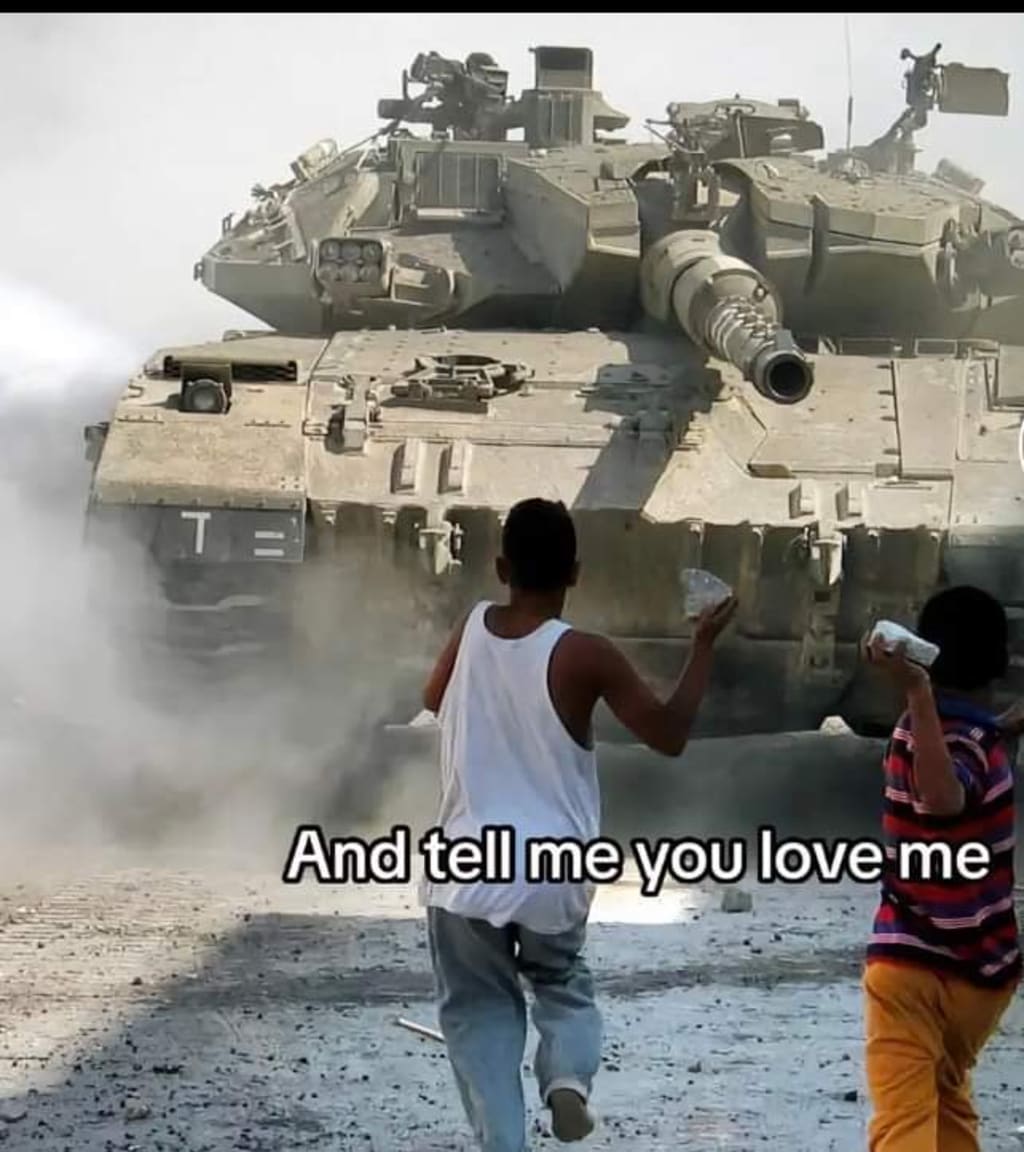
The Israeli-Palestinian conflict is a deeply intricate and multifaceted issue, with Gaza being one of its most volatile epicenters. In this discussion, we aim to explore the complexities of this longstanding conflict and offer a balanced perspective on the suffering of children in Gaza and the role of Israel in this volatile situation.
It's crucial to begin by acknowledging that the situation in Gaza is tragic, particularly for the children caught in the crossfire. The Palestinian territories, including Gaza, have endured decades of conflict, leaving countless civilians, especially children, suffering from the ongoing instability. These children face numerous hardships, from limited access to basic necessities like clean water and healthcare to the psychological trauma of living in a conflict zone.
However, portraying Israel as a "narcissistic psychopath" victimizing itself oversimplifies the situation. The Israeli-Palestinian conflict is deeply rooted in historical, political, and socio-cultural factors. Both sides have endured pain and loss, and it is essential to recognize that seeking a solution necessitates understanding the complexities on both sides.
Gaza, a densely populated strip of land, has been under the control of Hamas, a Palestinian militant group, since 2007. The relationship between Israel and Gaza is marked by a cycle of violence, with both sides engaging in actions that harm innocent civilians, including children. Israeli military operations, aimed at targeting Hamas, often result in collateral damage. These operations have led to tragic losses among the Palestinian population, causing immense suffering, particularly to the children.
On the other hand, Israel asserts that its actions are driven by the need for self-defense. Over the years, Israel has faced threats from Gaza in the form of rocket attacks and border clashes. The Israeli government argues that it must protect its citizens from these threats, but its methods have been heavily criticized, especially when civilian casualties occur.
It is essential to recognize that innocent children on both sides are victims of this ongoing conflict. Their lives are shaped by the decisions and actions of the political leaders and militant groups involved. These children experience fear, trauma, and loss on a daily basis, irrespective of their ethnicity or nationality.
In seeking a deeper understanding of the Israeli-Palestinian conflict, one must consider the broader context. The conflict is not limited to Gaza but is part of a larger, complex narrative that involves issues such as land disputes, historical grievances, religious factors, and the aspirations of both Israeli and Palestinian populations for self-determination.
Efforts have been made by the international community to mediate and find a peaceful solution to this protracted conflict. The Oslo Accords in the 1990s aimed to establish a two-state solution, but progress has been slow, and negotiations have repeatedly broken down. In recent years, there have been renewed efforts to restart peace talks, but these attempts have faced numerous challenges.
To address the suffering of children in Gaza, it is crucial to emphasize the importance of humanitarian aid and ceasefire agreements. International organizations like UNICEF and the United Nations Relief and Works Agency for Palestine Refugees in the Near East (UNRWA) play a significant role in providing support to children in Gaza, offering education, healthcare, and psychosocial services.
While it is essential to hold Israel accountable for its actions and demand that it takes all necessary precautions to protect civilian lives, it is also important to acknowledge the complexities of this conflict. Labeling one side as a "narcissistic psychopath" can hinder constructive dialogue and peaceful resolution.
In conclusion, the situation in Gaza is deeply tragic, especially for the children who suffer from the ongoing conflict. The Israeli-Palestinian conflict is a multifaceted issue with deep historical and political roots. While Israel's actions should be scrutinized, it is crucial to understand that children on both sides are victims, and a balanced perspective is essential to foster dialogue, empathy, and, ultimately, peace in the region. Efforts to find a just and lasting resolution to this conflict must continue with the ultimate goal of alleviating the suffering of all those involved, especially the innocent children of Gaza.
About the Creator
Alexander jackson
"Captivating tales and life's wisdom – join me on a journey of shared experiences through words. Let's explore, learn, and connect together!"
Keep reading
More stories from Alexander jackson and writers in BookClub and other communities.
The Inescapable Dilemma: Exploring the Complex Nature of Human Greed
Introduction Human greed is a multifaceted aspect of our nature that has both shaped and haunted our history throughout the ages. It is a characteristic that reflects our insatiable desire for more - be it wealth, power, or resources. This article delves into the intricate web of human greed, its evolutionary origins, its impact on society, and the possibilities of harnessing it for the greater good.
By Alexander jackson2 years ago in BookClub
My New Book is Finally Here
My poetry collection Beautiful and Brutal Things is done. It's actually done and finally published over 270 pages. Over a year of my life went into this book. More than a year, really. Long days at my computer, sometimes seven days a week because I couldn't stop even when I probably should have. Then two months of editing that felt harder than the writing itself. But it's finished, and I'm still standing, and the book is real.
By Tim Carmichael2 days ago in BookClub
Hildegard von Bingen
Light, Intellect, and Authority in the Medieval World Hildegard von Bingen stands as one of the most extraordinary intellectual figures of the Middle Ages, a woman whose range of achievement resists narrow definition. Born in 1098 in the Rhineland region of what is now Germany, Hildegard entered a world shaped by monastic reform, theological debate, and emerging centers of learning. From this environment emerged a thinker whose influence reached far beyond the walls of any cloister. Across a long life, Hildegard produced visionary theology, original sacred music, works of natural history and medicine, and a vast body of correspondence that circulated among the most powerful religious and political leaders of the twelfth century. Recognition during life was not limited to local admiration but extended across the Holy Roman Empire and into the highest ranks of the medieval Church.
By Marcus Hedare3 days ago in BookClub




Comments (2)
It doesn't help that the countries helping with the negotiations have taken sides. I think Iran said there should be economic sanctions against Israel, and the european nations have concluded that Hamas is a terrorist group. Who is the neutral party who is going to help with the negotiations
Love u for the writing. Keep it up. Allahu Akbar.