
The Benefits and Processes of Brass Scrap Recycling
Brass Scrap Recycling

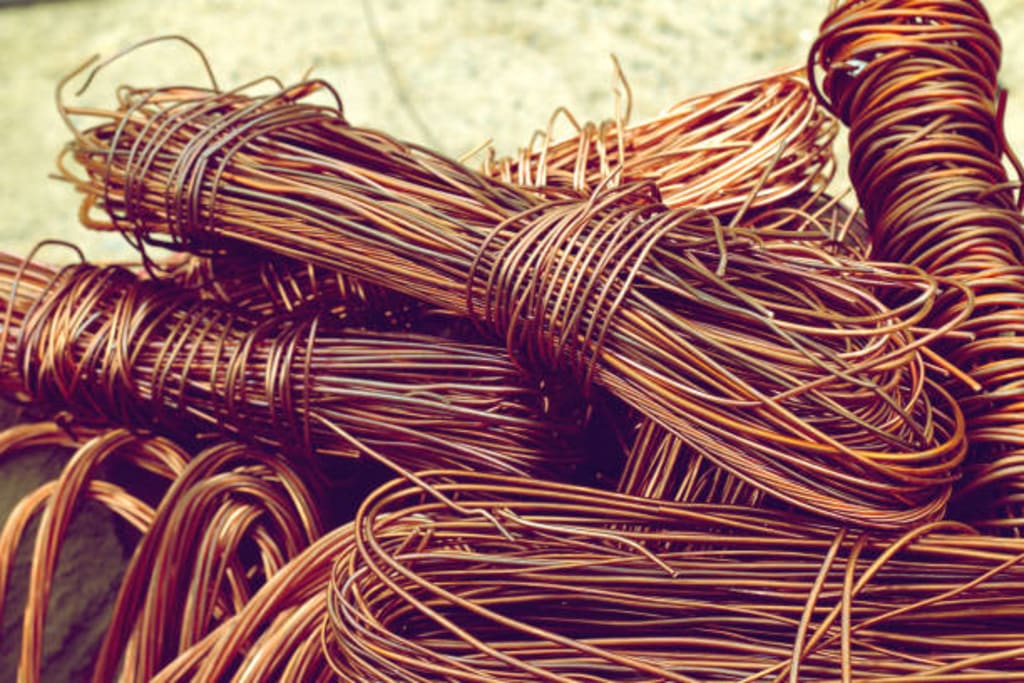
In an era where sustainability is becoming increasingly crucial, recycling has emerged as a key strategy for managing waste and conserving resources. Brass, an alloy primarily composed of copper and zinc, is a material that offers significant environmental and economic benefits when recycled. This article explores the advantages of brass scrap recycling, the processes involved, and its broader impact on the environment and economy.
Why Recycle Brass?
Resource Conservation: Brass recycling conserves the raw materials used to produce brass—mainly copper and zinc. Copper is a finite resource, and zinc, while more abundant, still benefits from reduced extraction and processing. By recycling brass, we reduce the need for mining and processing these metals, which can be both energy-intensive and environmentally damaging.
Energy Savings: Recycling brass uses considerably less energy compared to producing new brass from raw materials. The energy savings can be substantial; for example, recycling brass can save up to 90% of the energy required to produce new brass from virgin ores. This reduction in energy consumption translates into lower greenhouse gas emissions and a smaller carbon footprint.
Economic Benefits: The recycling of brass contributes to the economy by creating jobs and supporting industries that handle recycling operations. Additionally, recycled brass is often of high quality and can be used in a variety of applications, making it a valuable commodity in the metals market.
The Brass Recycling Process
Collection and Sorting: The first step in brass recycling is the collection of brass scrap, which can come from various sources such as old plumbing fixtures, electrical components, and discarded machinery. Once collected, the brass scrap is sorted from other metals and non-metallic materials. Sorting can be done manually or using advanced machinery, including magnetic separators and X-ray fluorescence (XRF) analyzers.
Shredding and Cleaning: After sorting, the brass scrap is shredded into smaller pieces to facilitate further processing. The shredded material is then cleaned to remove any contaminants, such as plastics or coatings, which could affect the quality of the recycled brass. Cleaning can involve physical methods, such as washing and air-blasting, or chemical treatments.
Melting: The cleaned brass scrap is then melted in a furnace. The melting process is carefully controlled to maintain the correct alloy composition. In many cases, recycled brass is mixed with a small amount of new brass to ensure the final product meets the required standards for various applications.
Refining and Casting: Once melted, the brass is refined to remove any remaining impurities. This step might involve adjusting the alloy composition or using chemical treatments. The refined molten brass is then cast into molds to create new brass products or ingots for further processing.
Quality Control: The final step involves quality control to ensure that the recycled brass meets industry standards. Tests are conducted to check the alloy composition, strength, and other properties. High-quality recycled brass can be used in a wide range of applications, including automotive parts, plumbing fixtures, and decorative items.
Environmental and Economic Impact
Reduced Environmental Impact: By recycling brass, we reduce the need for mining and processing raw metals, which helps to lower environmental degradation. Brass recycling minimizes the impact on ecosystems, reduces waste in landfills, and decreases pollution associated with metal extraction and processing.
Economic Efficiency: The recycling process is generally more cost-effective than mining and refining new metal. This economic efficiency benefits both manufacturers and consumers by lowering production costs and potentially leading to lower prices for products made from recycled brass.
Circular Economy: Brass recycling supports the concept of a circular economy, where materials are continuously reused and recycled, reducing waste and the need for new raw materials. This approach promotes sustainability and responsible resource management.
Challenges and Future Directions
Despite its benefits, brass recycling faces some challenges. These include the need for efficient sorting technologies, managing mixed-material scraps, and maintaining high-quality standards. Advances in technology and increased awareness of recycling practices can help address these challenges and enhance the efficiency of brass recycling operations.
Conclusion
Brass scrap recycling is a vital process that offers significant environmental and economic benefits. By conserving resources, saving energy, and supporting the economy, brass recycling plays a crucial role in promoting sustainability. As technology advances and recycling practices improve, the future of brass recycling looks promising, contributing to a more sustainable and efficient management of our resources.
About the Creator
West Coast Metals
West Coast Metals Recycling Pty Ltd is a recycling company that specializes in the collection and processing of various metal materials, providing sustainable and cost-effective solutions for businesses and individuals in Western Australia.
Keep reading
More stories from West Coast Metals and writers in BookClub and other communities.
Recycling Aluminium Cans: Small Action, Big Impact
Let’s be honest — recycling isn’t always the first thing on our minds when we’re enjoying a drink. You crack open a cold can of soft drink, sip it down, and toss the empty into the nearest bin without much thought. It’s a small act, almost automatic. But here’s the thing: that small action has a surprisingly big impact — especially when it comes to aluminium cans.
By West Coast Metals6 months ago in Art
My New Book is Finally Here
My poetry collection Beautiful and Brutal Things is done. It's actually done and finally published over 270 pages. Over a year of my life went into this book. More than a year, really. Long days at my computer, sometimes seven days a week because I couldn't stop even when I probably should have. Then two months of editing that felt harder than the writing itself. But it's finished, and I'm still standing, and the book is real.
By Tim Carmichael4 days ago in BookClub
Stars, Scandals & Sirens
Welcome to The Chapter Café, where every story unfolds like the pages of a gripping novel—and today’s menu is anything but ordinary. We’re serving up a bold blend of true crime and celebrity biographies, a literary tasting that pairs red-carpet glamour with the grit of real-life investigations.
By Kristen Barenthaler6 days ago in BookClub
How, Too
Many people wonder how, too. You are not alone, and I am an expert. I will teach you how, too! First, you need to remit a small application fee and fill out an application describing the nature of your financial situation and how often payments will be made, as this will have great bearing on how well I teach you how, too.
By Harper Lewis4 days ago in Fiction




Comments
There are no comments for this story
Be the first to respond and start the conversation.