
Slowing Down: When Busyness Is No Longer the Measure of Success
Redefining Achievement Through Stillness, Presence, and Purpose


Introduction: The Myth of Constant Hustle
In modern society, being busy is often seen as a badge of honor. The more meetings we attend, emails we answer, and deadlines we conquer, the more successful we seem. “How are you?” is often answered not with “I’m well” but with “I’m busy.” Busyness, over time, has become a proxy for importance, productivity, and even self-worth.
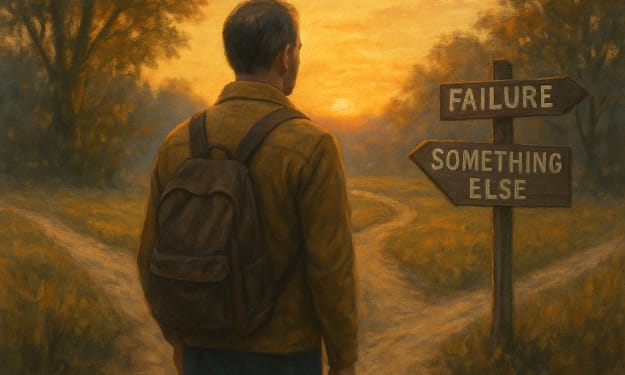
But what if we’ve gotten it all wrong? What if the relentless hustle, rather than leading to fulfillment, leads us away from the very things we value most—presence, purpose, peace? For many, especially those reaching their late thirties and forties, a quiet question begins to rise: What if slowing down is not failure, but wisdom?
This essay explores that very shift—from glorifying busyness to embracing a slower, more intentional way of living. It challenges the cultural addiction to hustle and suggests that real success may lie not in doing more, but in being more.
________________________________________
Chapter 1: The Busyness Trap
The glorification of busyness didn’t happen overnight. In the last few decades, as work became less physical and more digital, boundaries between personal and professional life blurred. Technology, while enabling freedom, also made it possible—and expected—to be available at all times.
We began to measure worth by output. Success became synonymous with speed. But this mindset comes at a cost. Burnout, anxiety, fractured relationships, and even physical illness often follow in the wake of nonstop striving.
People in their forties often begin to feel this most acutely. The adrenaline-fueled ambition of youth starts to fade, replaced by exhaustion. The question then becomes: Is this sustainable? And more importantly, is it meaningful?
________________________________________
Chapter 2: The Turning Point
For many, the realization comes in the form of a life event—a health scare, a job loss, a relationship breakdown, or even just waking up one morning feeling empty. Suddenly, the pace that once seemed exhilarating now feels suffocating.
Take Alex, a 45-year-old marketing executive who spent two decades climbing the corporate ladder. After experiencing heart palpitations during a board meeting, he was rushed to the hospital. The diagnosis? Stress-induced panic attacks. It was a wake-up call.
Or consider Lena, a single mother who had balanced two jobs for over a decade. She wasn’t looking for luxury—just security. But when her teenage daughter asked why she was never home, it shattered her. She realized she had been so focused on providing that she had missed the moments that mattered most.
These moments become catalysts. They force us to reconsider not just our schedules but our values.
________________________________________
Chapter 3: The Value of Slowness
Slowness, in a culture addicted to speed, can feel radical. But it isn’t laziness. It’s a deliberate choice to prioritize depth over breadth, meaning over motion.
Slowing down allows for:
• Deeper relationships: When you’re not rushing, you listen better, connect more, and build trust.
• Improved health: Mental, emotional, and physical well-being improve when stress is reduced.
• Better decision-making: Clarity comes not from chaos, but from stillness.
• Greater creativity: The best ideas rarely come in the rush—they come in the quiet moments.
Choosing slowness is choosing quality. It’s asking, “What is essential?” and letting go of the rest.
________________________________________
Chapter 4: Rewriting the Definition of Success
What if success wasn’t about how much you do, but how aligned your life is with your values?
Imagine this version of success:
• Waking up without dread.
• Having time to eat meals with your family.
• Saying no to what drains you and yes to what energizes you.
• Creating, not just consuming.
• Living a life that feels like your own.
Redefining success doesn’t mean you abandon ambition. It means ambition is now rooted in sustainability and purpose. You’re no longer chasing someone else’s dream—you’re building your own rhythm.
________________________________________
Chapter 5: The Power of Saying No
Slowing down requires boundaries. One of the most powerful tools is the word “No.”
No to overcommitment. No to projects that don’t align with your values. No to the fear of missing out.
Saying no is not rejection—it’s redirection. Every time you say no to one thing, you say yes to something else: your health, your peace, your priorities.
It takes courage, especially when others are still operating at a frantic pace. But boundaries are acts of self-respect.
________________________________________
Chapter 6: Building a Slower Life, One Choice at a Time
You don’t need to change everything overnight. In fact, slowing down is best done gradually.
Start with small shifts:
• Begin the day without your phone.
• Schedule time for rest as you would a meeting.
• Take actual lunch breaks.
• Have tech-free evenings.
• Walk instead of rush.
Each choice reinforces a new identity—someone who values presence over performance.
________________________________________
Chapter 7: Stories of Intentional Living
Let’s meet a few people who made the shift.
Tariq, 47, left a high-paying finance job to open a small bookstore. “I make less money, but I have more life,” he says. “I know my regulars. I read again. I breathe.”
Angela, 42, asked her employer for a four-day workweek. “It felt scary to ask,” she admits, “but they agreed. Now, I spend Fridays with my dad who’s aging. I’ll never regret that.”
Mikio, 50, didn’t change his job but changed his approach. “I no longer work past six. I meditate in the mornings. My output didn’t drop—it actually improved.”
These aren’t fairy tales. They’re real people choosing realignment over burnout.
________________________________________
Chapter 8: The Emotional Resistance to Slowing Down
Why is slowing down so hard?
Because we’ve attached our identity to productivity. If we’re not busy, who are we?
We fear being seen as lazy. We fear being forgotten. We fear that if we stop, everything will fall apart.
But here’s the truth: slowing down doesn’t erase your worth. It reveals it. It shows that you are enough, even when you’re not “doing.”
Embracing slowness requires unlearning old beliefs:
• That you must earn rest.
• That your value is in your output.
• That urgency equals importance.
________________________________________
Chapter 9: Cultural Shift and Collective Change
As more individuals choose slower living, a collective shift begins. Companies start offering flexible schedules. Schools introduce mindfulness programs. Cities create walkable spaces.
We see a rise in:
• Slow fashion (ethical, sustainable clothing)
• Slow food (local, intentional meals)
• Mindful parenting (less overscheduling, more connection)
Change is contagious. The more we see others choose differently, the more permission we feel to do the same.
________________________________________
Chapter 10: The Future Is Not Faster—It’s Deeper
The future isn’t about squeezing more into our days. It’s about expanding our capacity to feel, connect, and be.
Slowing down doesn’t mean doing nothing. It means doing what matters, with presence and care.
As you reflect on your own life, ask:
• What have I been rushing through?
• What do I truly want more of?
• What am I afraid will happen if I slow down—and is it true?
You may discover that your most important work begins not when you speed up, but when you stop running.
________________________________________
Conclusion: An Invitation to Presence
Busyness is not a life requirement. It’s a habit. One you can choose to change.
Slowing down is not stepping back. It’s stepping in—to your values, your relationships, your sense of self.
At the heart of this movement is not rebellion, but remembrance:
• Of who you are without the noise.
• Of the life you dreamed of before the rush.
• Of the peace that’s possible when you choose presence.
So here’s the invitation:
Slow down. Not because you’re weak. But because you’re wise.
Not to fall behind. But to come home—to yourself.
Because the most successful life might not be the busiest. It might be the truest.
And that’s a success worth living for.
About the Creator
My New Book is Finally Here
My poetry collection Beautiful and Brutal Things is done. It's actually done and finally published over 270 pages. Over a year of my life went into this book. More than a year, really. Long days at my computer, sometimes seven days a week because I couldn't stop even when I probably should have. Then two months of editing that felt harder than the writing itself. But it's finished, and I'm still standing, and the book is real.
By Tim Carmichael3 days ago in BookClub



Comments
There are no comments for this story
Be the first to respond and start the conversation.