
Seoul-ful Flavors: Exploring the Irresistible Charms of Korean Cuisine!
From Spicy Kimchi to Sizzling BBQ: A Taste Adventure in the World of Korean Gastronomy!

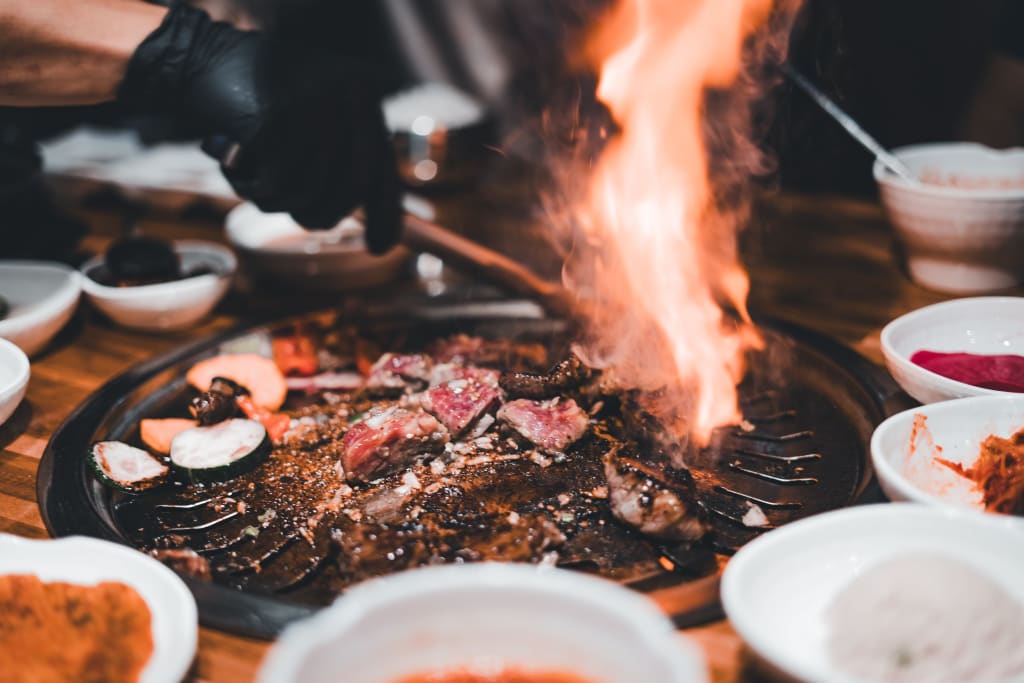
"Korean Cuisine: A Culinary Odyssey Through Flavor, Tradition, and Harmony"
Introduction
Korean cuisine, known for its bold flavors, colorful dishes, and rich culinary traditions, has been making waves on the global food scene. With its unique combination of sweet, savory, spicy, and umami tastes, Korean cuisine has captivated the palates of food enthusiasts worldwide. In this article, we'll embark on a journey through the heart of Korean cuisine, exploring its essence, cultural significance, key ingredients, and iconic dishes that have made it a global favorite.
The Essence of Korean Cuisine
Harmony of Flavors: Korean cuisine is all about balance and harmony. It artfully combines a variety of flavors, including sweet, salty, sour, and spicy. The concept of "umami" is central, creating dishes that are deeply satisfying to the palate.
Fermentation: Fermented foods are a cornerstone of Korean cuisine. Kimchi, a spicy fermented cabbage dish, is a staple that accompanies almost every Korean meal. Fermentation not only enhances flavor but also offers numerous health benefits.
Banchan: Korean meals are often accompanied by a variety of small side dishes known as "banchan." These can include pickled vegetables, marinated tofu, and fish cakes, adding layers of flavor and texture to the meal.
Rice: Rice is a fundamental component of Korean cuisine, typically served with nearly every meal. It is considered the foundation of a satisfying Korean meal.
Iconic Korean Dishes
Kimchi: No discussion of Korean cuisine is complete without mentioning kimchi. This spicy, fermented cabbage dish is not only a side dish but also an essential ingredient in many Korean recipes. There are hundreds of variations of kimchi, each with its unique flavor profile.
Bulgogi: Bulgogi is a beloved Korean barbecue dish that features thinly sliced marinated beef, typically grilled at the table. The marinade consists of soy sauce, sugar, garlic, and sesame oil, resulting in a perfect blend of sweet and savory flavors.
Bibimbap: Bibimbap is a hearty rice bowl topped with an assortment of vegetables, marinated meat, and a fried egg. The dish is often served with spicy gochujang sauce, which can be mixed in for added flavor.
Jjajangmyeon: A popular Korean-Chinese noodle dish, jjajangmyeon features thick wheat noodles coated in a savory black bean sauce, typically garnished with vegetables and minced pork.
Tteokbokki: These spicy rice cakes are a popular street food in Korea. The rice cakes are cooked in a fiery gochujang-based sauce, creating a satisfying and spicy snack or meal.
The Cultural Significance of Korean Cuisine
Korean cuisine is deeply rooted in tradition and has a rich cultural significance. It reflects the country's history, climate, and way of life. Meals in Korean culture are seen as a time for bonding, sharing, and showing respect for others. This emphasis on togetherness and shared experiences is evident in the tradition of communal dining.
In Korea, the concept of "jeong" is crucial, representing a deep emotional connection between people. Sharing food is a way to express jeong, making it an essential part of Korean culture. It's no wonder that Korean barbecue, with its interactive and communal aspect, has gained immense popularity not just in Korea but around the world.
The health benefits of Korean cuisine are also widely acknowledged. The use of various vegetables and herbs, as well as the fermentation process used in dishes like kimchi, contribute to the promotion of good gut health and overall well-being.
Conclusion
Korean cuisine is a testament to the art of balance, flavor, and tradition. It offers a culinary experience that is both exciting and comforting, with a wide range of dishes that appeal to diverse tastes. Whether you're savoring the spicy kick of kimchi, the sweet and savory notes of bulgogi, or the hearty satisfaction of bibimbap, Korean cuisine offers something for everyone.
If you're in search of a culinary adventure that embodies culture, tradition, and the delightful complexity of flavors, Korean cuisine is an excellent choice. It will leave you with a deep appreciation for the importance of balance and harmony in food, as well as the profound significance of shared meals and cultural connections. So, why not embark on your own Korean culinary odyssey and experience the magic of Korean cuisine? Bon appétit, or as they say in Korea, 맛있게 드세요! (Enjoy your meal!)
About the Creator
Keep reading
More stories from engin olmez and writers in BookClub and other communities.
Indulge in La Dolce Vita: A Delectable Journey Through the Flavors of Italian Cuisine!
"The Irresistible Magic of Italian Cuisine: A Culinary Journey Through Italy's Culinary Heritage" Introduction Italian cuisine, celebrated for its delicious flavors, rich history, and timeless recipes, is often hailed as one of the world's most beloved and influential culinary traditions. From its diverse regional specialties to its iconic dishes like pasta and pizza, Italian cuisine is a testament to the Mediterranean way of life, emphasizing fresh, high-quality ingredients and simple yet vibrant flavors. In this article, we will embark on a culinary journey through the heart of Italian cuisine, exploring its essence, regional diversity, key ingredients, and iconic dishes that have made it a global favorite.
By engin olmez2 years ago in BookClub
Lost In the Snow
Last night happened so fast I didn't know what I was doing. I took a drive to the mountains without realizing it had snowed the night before. I had enough money saved for a car. Instead I drove up the mountain top near the desert and found myself in a cabin the next day. I have to figure out how to fix this, I thought. Suddenly a knock at my door is exchanged and a beautiful brown-haired girl covered in white icicles is in front of me, again.
By Cerina Galvan3 days ago in BookClub



Comments
There are no comments for this story
Be the first to respond and start the conversation.