
PCB Chemicals and Thermal Management Systems: Ensuring Reliability in Electronics
PCB Chemicals and Thermal Management Systems
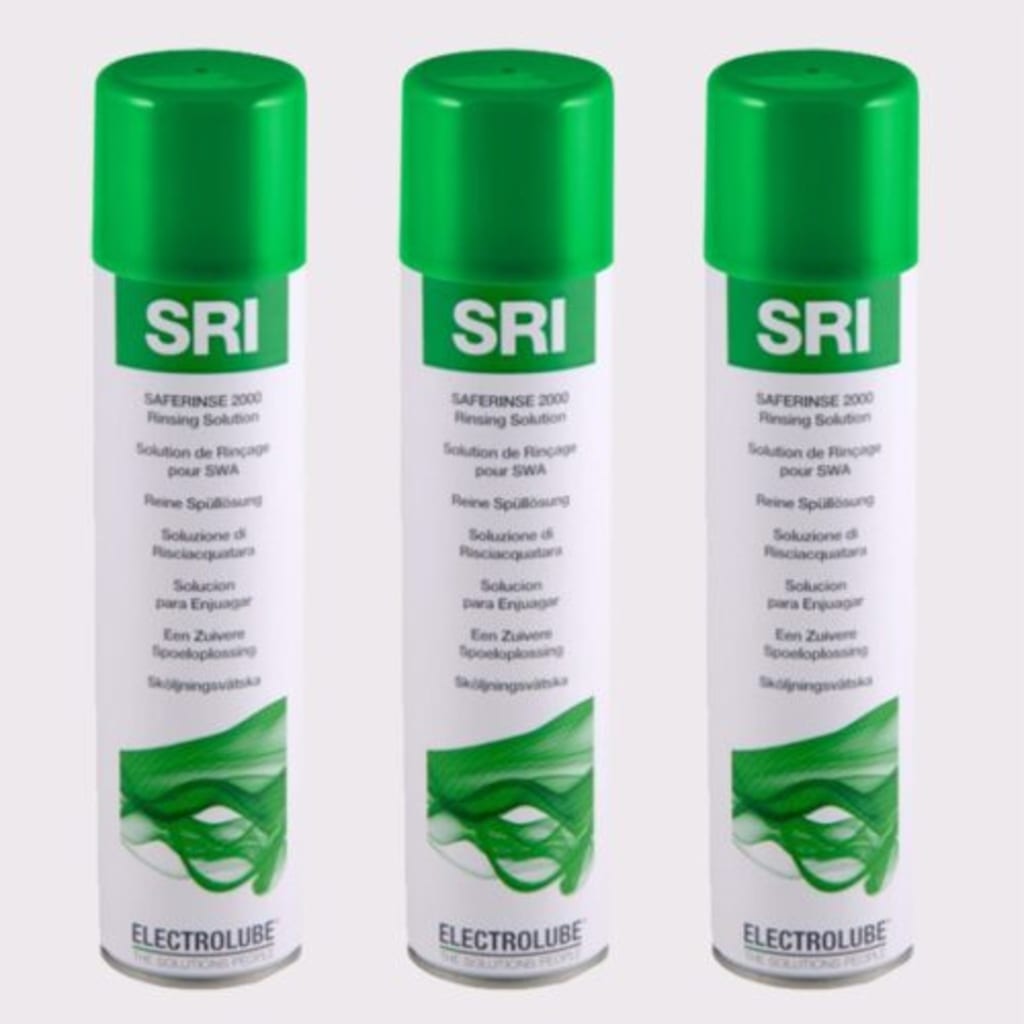
Printed Circuit Boards (PCBs) are foundational components in modern electronic devices, from smartphones to complex industrial machinery. As electronic devices become smaller, faster, and more powerful, effective thermal management systems have become crucial to ensuring the reliability and performance of PCBs. This article explores the significance of PCB chemicals in thermal management systems, their role in enhancing device performance, and best practices for implementation.
The Importance of Thermal Management in PCBs
Heat generation is an inevitable byproduct of electronic component operation, and excessive heat can lead to component failure, reduced performance, and shortened lifespan. Effective thermal management is essential for maintaining optimal operating temperatures, which enhances the reliability and performance of electronic devices.
Thermal management encompasses various strategies and materials used to control heat generation and dissipation in PCBs. It includes passive methods like thermal conductivity enhancement and active methods such as cooling systems. The goal is to ensure that components remain within their specified temperature limits, preventing overheating and the potential for catastrophic failure.
Role of PCB Chemicals in Thermal Management
PCB chemicals play a critical role in thermal management systems by improving thermal conductivity, insulation, and overall performance of electronic components. Here are some essential types of PCB chemicals and their functions:
1. Thermal Interface Materials (TIMs)
Thermal Interface Materials are critical for enhancing heat transfer between heat-generating components (like CPUs and GPUs) and their heat sinks or spreaders. TIMs fill microscopic air gaps that can act as thermal insulators, thereby improving thermal conductivity. Common materials include:
Thermal Greases: These are viscous compounds that enhance heat transfer by filling voids between surfaces. They provide excellent thermal conductivity and are easy to apply.
Thermal Pads: These are pre-formed pads made from silicone or other materials. They are less messy than greases and are available in various thicknesses and thermal conductivity ratings.
Phase Change Materials (PCMs): PCMs change their state (from solid to liquid) at specific temperatures, absorbing excess heat and releasing it gradually, which helps regulate temperatures effectively.
2. Thermal Conductive Adhesives
These adhesives bond components while also conducting heat away from sensitive areas. They are often used in applications where traditional mechanical fastening methods may not be feasible. Thermal conductive adhesives can help maintain structural integrity while ensuring efficient heat transfer.
3. Thermal Conductive Fillers
These are added to PCB materials to enhance their thermal properties. Fillers such as aluminum oxide, boron nitride, and graphite are commonly used. They improve the overall thermal conductivity of the PCB substrate, ensuring better heat dissipation.
4. Thermal Insulating Materials
While some materials promote thermal conductivity, others are designed to provide thermal insulation. Insulating materials protect sensitive components from heat damage. Common thermal insulators include epoxy resins, polyimide films, and ceramic-based materials.
Best Practices for Implementing Thermal Management Systems in PCBs
When designing thermal management systems for PCBs, several best practices should be considered to optimize performance:
1. Material Selection
Choosing the right materials is critical for effective thermal management. Evaluate the thermal conductivity ratings of PCB chemicals and select those that meet the specific thermal requirements of the application. Consider the long-term stability of materials under varying temperature conditions.
2. Optimize Layout Design
The layout of the PCB can significantly impact heat distribution. Placing high-heat-generating components away from sensitive areas and optimizing the flow of heat can help minimize thermal hotspots. Using vias to connect different layers of a PCB can also assist in spreading heat more evenly.
3. Ensure Proper Surface Preparation
For effective bonding and thermal transfer, ensure that surfaces are clean and free from contaminants before applying any thermal interface materials or adhesives. Proper surface preparation enhances adhesion and overall thermal performance.
4. Conduct Thermal Testing
Conduct thermal testing during the design and prototype phases to identify potential thermal issues. This can include thermal imaging to visualize heat distribution and thermal simulations to predict temperature behavior under load. Testing helps refine the design and improve reliability.
5. Implement Active Cooling Solutions
In some cases, passive thermal management methods may not suffice, especially in high-performance applications. Active cooling solutions such as fans, heat sinks, and liquid cooling systems can significantly enhance thermal performance and are especially critical for high-power devices.
Conclusion
As the demand for smaller, faster, and more efficient electronic devices continues to grow, effective thermal management systems are crucial for the reliability and performance of PCBs. The right selection of PCB chemicals—such as thermal interface materials, thermal conductive adhesives, and insulating materials—plays a vital role in managing heat dissipation effectively.
By implementing best practices in material selection, layout design, surface preparation, and thermal testing, manufacturers can ensure that their PCBs operate within safe temperature limits, enhancing longevity and performance. In this era of rapid technological advancement, investing in high-quality PCB chemicals and thermal management solutions is essential for success in the electronics industry.
About the Creator
Keep reading
More stories from writers in BookClub and other communities.
My New Book is Finally Here
My poetry collection Beautiful and Brutal Things is done. It's actually done and finally published over 270 pages. Over a year of my life went into this book. More than a year, really. Long days at my computer, sometimes seven days a week because I couldn't stop even when I probably should have. Then two months of editing that felt harder than the writing itself. But it's finished, and I'm still standing, and the book is real.
By Tim Carmichael9 days ago in BookClub
A Year In: Trump’s Second-Term Economy Shows Growth Without Jobs
Donald Trump One year into Donald Trump’s second presidency, the U.S. economy looks both familiar and different. Growth has continued, consumers are still spending, and inflation has cooled modestly. But beneath the headline numbers, cracks are visible — particularly in the labor market.
By Organic Products 3 days ago in BookClub
🅼🅸🅳🅽🅸🅶🅷🆃 🆂🅽🅰🅲🅺🆂
"It's 10 in Tuscon! We all know what that means... It's Time for Midnight Snacks with your man, Gerald Gee! Ready to spend the night together? Me too! I'm full of snacks and can't wait to regurgitate them all back into your hungry ears. Crack a brew! Pop some corn! Anything to get ready for one hell of a show where the talk maybe cheap but the words cut deep...
By Lamar Wiggins4 days ago in Fiction




Comments
There are no comments for this story
Be the first to respond and start the conversation.