
Modern Filipino Authors to Watch
Celebrating the rising voices shaping Filipino storytelling for the next generation of readers.
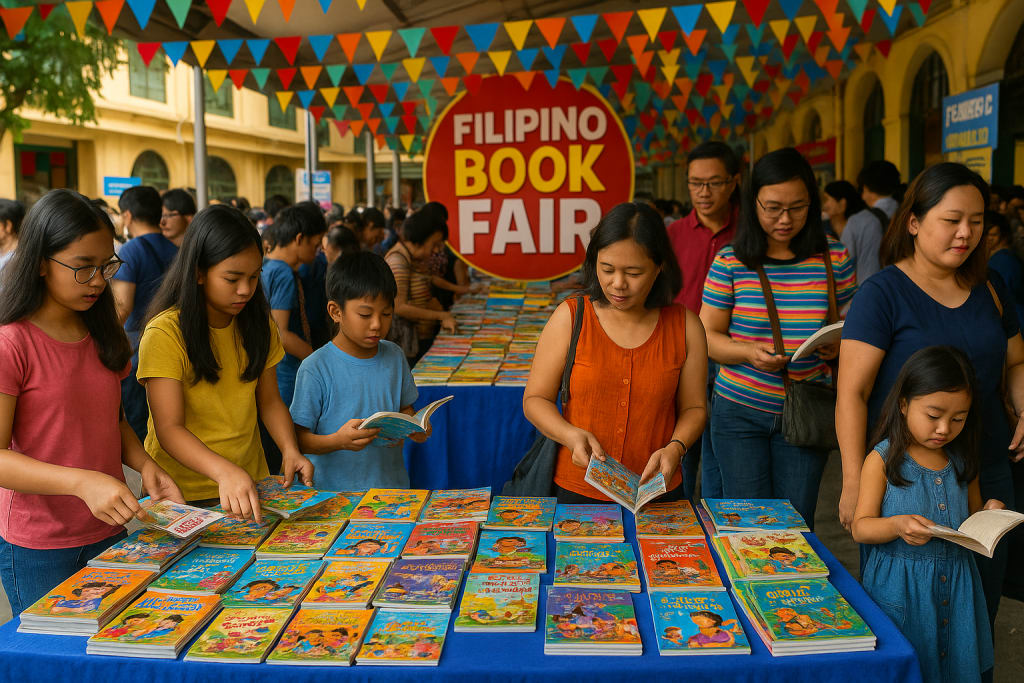
Filipino literature is undergoing a bold transformation. New voices are rising, and long-overlooked narratives are being celebrated in classrooms, bookstores, and digital platforms across the world. While adult fiction and poetry have traditionally received the spotlight, middle grade Filipino books are now making a compelling case for their cultural and literary significance. These books are giving young readers access to stories rich in history, myth, family, and identity—told from an authentically Filipino point of view.
This movement is not just about visibility. It’s about agency—who gets to tell the story and how it's told. Modern Filipino authors are crafting stories that challenge stereotypes, celebrate heritage, and speak honestly to the complexities of growing up Filipino, whether in the Philippines or abroad.
Gail D. Villanueva
Gail D. Villanueva stands at the forefront of this shift. Her debut novel, My Fate According to the Butterfly, is a powerful entry into the canon of middle grade Filipino books. Set in contemporary Manila, it follows Sab, a young girl who believes a black butterfly signals her imminent death. This sets her on a mission to reconcile with her estranged sister before it's too late.
But this is no mere superstition-based plotline. Villanueva uses Sab’s journey to explore the psychological toll of family trauma, the war on drugs, and the fragile nature of hope in difficult times. Kirkus Reviews praises the novel as “beautiful,” emphasizing its deft balance between social realism and emotional resonance. This is literature that respects young readers' intelligence and emotional depth.
Villanueva’s subsequent works, including Lulu Sinagtala and the City of Noble Warriors, continue this trajectory—offering vibrant Filipino settings, nuanced characters, and grounded storytelling that appeals to both local and global audiences.
Andrew Jalbuena Pasaporte
Andrew Jalbuena Pasaporte’s work brings Filipino mythology to new generations in thrilling, imaginative ways. His novel, Gimo Jr. and the Aswang Clan, takes the legendary aswang—a shapeshifting, often feared creature in Filipino folklore—and reimagines it through the lens of a young boy caught between two worlds: ordinary childhood and supernatural destiny.
What makes Pasaporte’s contribution unique is not just his engagement with folklore but the way he integrates social issues and modern concerns into traditional frameworks. The story is fast-paced and accessible but layered with commentary on family, moral choice, and cultural preservation. Goodreads readers have called the book “fun, intense, and thrilling,” noting how it reclaims mythical figures in a way that is both entertaining and empowering.
Beyond fiction, Pasaporte is a strong advocate for cultural literacy. His official site, andrewjalbuenapasaporte.com, is a platform for promoting Filipino literature, highlighting other authors, and engaging educators who want to incorporate middle grade Filipino books into their curriculum.
Erin Entrada Kelly
Erin Entrada Kelly has brought Filipino representation into the mainstream of American children’s literature. Her 2018 Newbery Medal-winning novel Hello, Universe weaves together the lives of four middle school students, one of whom is Virgil Salinas, a shy Filipino-American boy navigating cultural identity, bullying, and self-worth.
Kelly’s work often features bicultural characters—young people straddling their Filipino roots and American upbringing. Lalani of the Distant Sea, another standout title, draws inspiration from Philippine folklore and oceanic myth. It tells the story of a girl who leaves her island home to face dangerous seas and uncover truths her community would rather leave buried.
Greenish Bookshelf calls Hello, Universe “endearing and hopeful,” and readers consistently applaud Kelly’s ability to capture quiet strength and internal struggle. Her work doesn’t scream for attention; it earns it with grace and clarity.
Rin Chupeco
If dark fantasy and speculative fiction have a home in modern Filipino literature, it’s with Rin Chupeco. Their debut novel The Bone Witch introduces Tea, a necromancer in a patriarchal world who must master her power to challenge the political order. Drawing on Southeast Asian—and particularly Filipino—mythological elements, Chupeco’s work is lush, dramatic, and unapologetically genre-driven.
Chupeco is known for crafting expansive worlds that reflect both ancient myth and modern anxieties. Their stories often feature queer characters, complex power dynamics, and deep emotional undercurrents. The Bone Witch was praised by Bibliophilia Book Reviews for being “a delicate balance between haunting and beautiful,” with a narrative structure that unfolds across past and present timelines.
Though primarily categorized as young adult, Chupeco’s work is often read by advanced middle-grade readers eager for more intricate plots and darker themes. Their influence is helping broaden the range of acceptable content and genres within Filipino literature.
Candy Gourlay
Candy Gourlay has long been a pioneer for Filipino representation in children’s literature. Her novel Tall Story is considered a landmark for introducing Filipino characters to a global readership in a way that is heartfelt and relatable. The story revolves around Bernardo, an eight-foot-tall boy from the Philippines who reunites with his half-sister in London. It tackles themes of identity, culture shock, and family bonds through magical realism and warm humor.
Her subsequent works, such as Bone Talk—which was shortlisted for the Carnegie Medal—delve into pre-colonial Philippine society. Gourlay’s writing is meticulous in its research and lyrical in its delivery, often aimed at filling historical and cultural gaps in mainstream literature.
Kirkus Reviews describes Tall Story as having “genuinely funny” and “earnest” dual narratives, and educators around the world continue to recommend her work for multicultural education. She remains a key figure in the push for more middle grade Filipino books in international markets.
Building a Literary Community
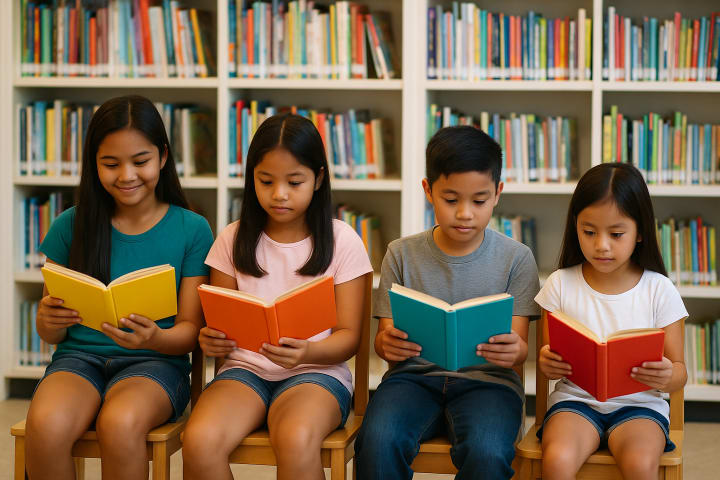
What unites these authors is not simply their heritage or subject matter—it’s their commitment to cultivating a community of readers who see Filipino identity as something complex, dynamic, and worthy of exploration. Platforms like andrewjalbuenapasaporte.com serve not only as personal author sites but as community hubs that amplify voices, distribute educational resources, and support young readers.
Filipino literature today is supported by more than just publishers and awards. It thrives in classrooms, libraries, and online forums. Teachers are adopting these books to reflect the diversity of their student populations. Parents are using them as tools to pass on language and heritage. And young readers, perhaps most importantly, are finding themselves in stories for the very first time.
Looking Forward
As publishing becomes more inclusive and global, the opportunities for Filipino authors—especially those writing for younger audiences—are growing. Future stories will likely move beyond folklore and realism into even more experimental, hybrid forms. We can expect graphic novels, bilingual works, and genre-defying narratives to take the stage.
But what matters most is that these stories continue to be told. Filipino identity, in all its regional, linguistic, and diasporic diversity, deserves space on every bookshelf. And as more middle grade Filipino books are written, shared, and celebrated, a new generation of readers will carry forward a tradition of storytelling that is both ancient and ever-evolving.
About the Creator
Keep reading
More stories from Cass Ernest and writers in BookClub and other communities.
Modern Filipino Authors to Watch
It’s easy to think of literature as a monolith—a static library of greats bound in cloth and dust. But something vibrant hums at the edge of the page in the Philippines. A generation of writers, many of them young and unafraid, are crafting work that slices through genre, memory, and the seams of language itself. Among them, Andrew Jalbuena Pasaporte stands out as an award-winning Filipino author whose voice ripples through the current of modern Philippine literature with urgency and soul.
By Cass Ernest10 months ago in BookClub
Rachel Reviews: Lakefront Wolves by Joseph Deegan
Meet Finn. He's an 18 year old kid who has potential. He's bright with great school scores and he's also an athlete, a footballer of some prowess. He has it all going for him, it would seem, and yet, he's determined to send what could be a well-planned, stable existence firmly off the rails. He drinks, he smokes, he takes drugs, he has violent tendencies and he's in danger of losing not only his mind but all that he holds dear.
By Rachel Deeming15 days ago in BookClub
7 Books With Brilliant Ideas You'll Be Thinking About All Year
The most powerful books do more than tell stories or deliver information—they plant brilliant ideas that reshape how we see the world, our work, our relationships, and even ourselves. These are the books that spark conversations, inspire action, and linger in our minds long after we close them.
By Diana Meresc7 days ago in BookClub
A Transparent Look at Vocal Challenges and Top Stories
Almost three years ago, we shared a resource article that served as a place for people to suggest new challenge prompts. We thought it would be a good idea to refresh that thread, and take the opportunity to answer a few common questions about top stories, how challenges are judged and how submissions are reviewed.
By Vocal Curation Team4 days ago in Resources


Comments (3)
Inspiring feature! It’s exciting to see modern Filipino authors getting the spotlight they deserve. Looking forward to more stories that reflect our voices, culture, and imagination.
These authors are amazing—fresh voices bringing powerful, relatable stories to Filipino readers. Definitely worth following!
This transformation in Filipino literature sounds really exciting. It's great to see middle grade books getting the spotlight. I'm curious about how these stories will impact young readers, especially those outside the Philippines. Do you think they'll help break down cultural barriers? And how do you think authors like Villanueva are making these complex themes accessible to a younger audience? It's also cool that they're challenging stereotypes. Can't wait to learn more about Pasaporte's work too.