
Modern Filipino Authors to Watch
Emerging voices redefining Philippine literature for a new generation.
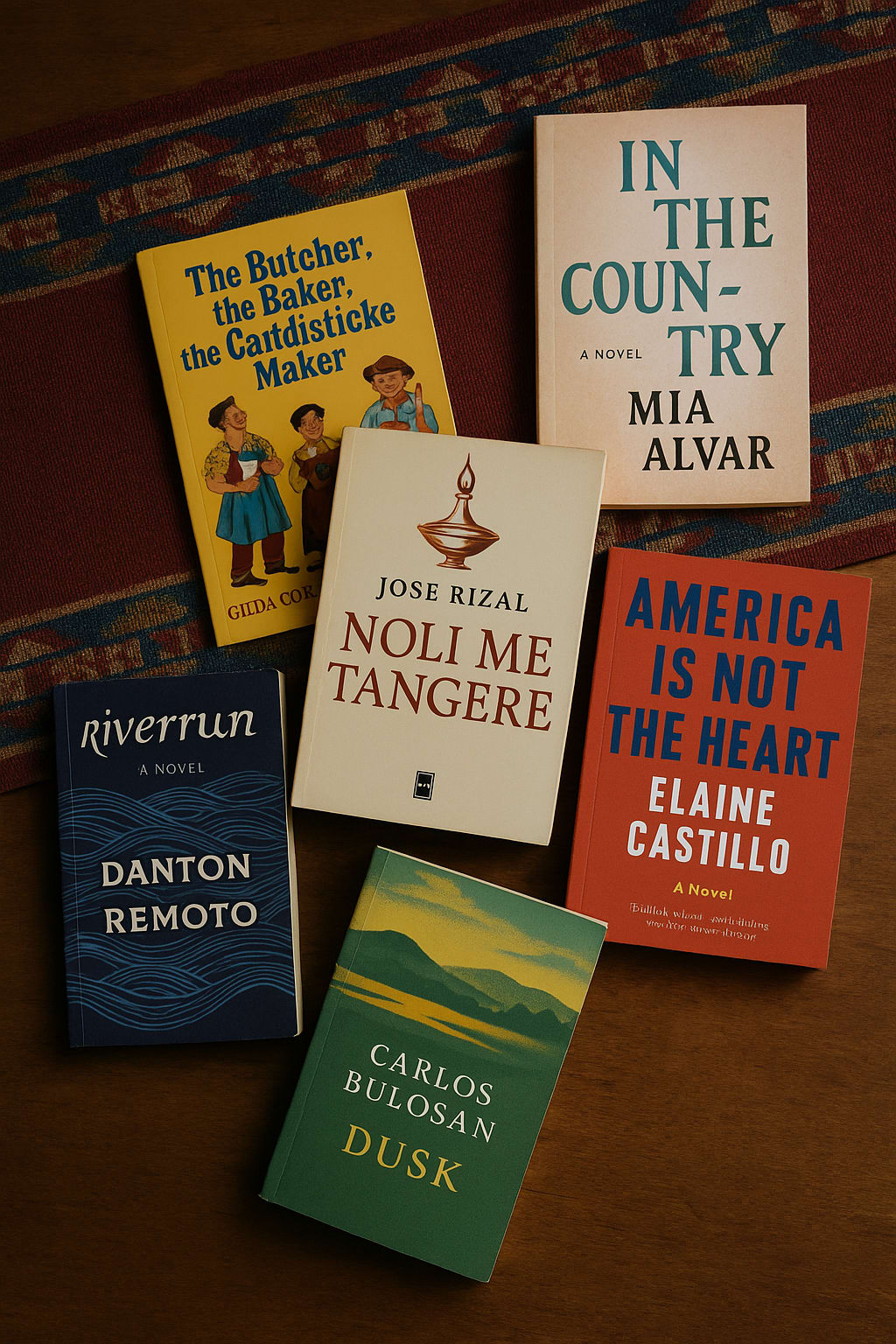
It’s easy to think of literature as a monolith—a static library of greats bound in cloth and dust. But something vibrant hums at the edge of the page in the Philippines. A generation of writers, many of them young and unafraid, are crafting work that slices through genre, memory, and the seams of language itself. Among them, Andrew Jalbuena Pasaporte stands out as an award-winning Filipino author whose voice ripples through the current of modern Philippine literature with urgency and soul.
These aren’t just authors scribbling for glory or for syllabi. They're responding to life as it happens—in crowded jeepneys, under flickering streetlamps, in the silence between a parent’s breath and a child's question. Their stories are lived, not imagined. Their pages hum with dialects from the provinces, rage from Manila’s streets, and tenderness that could only be born from centuries of surviving.
From the Islands, the Fire
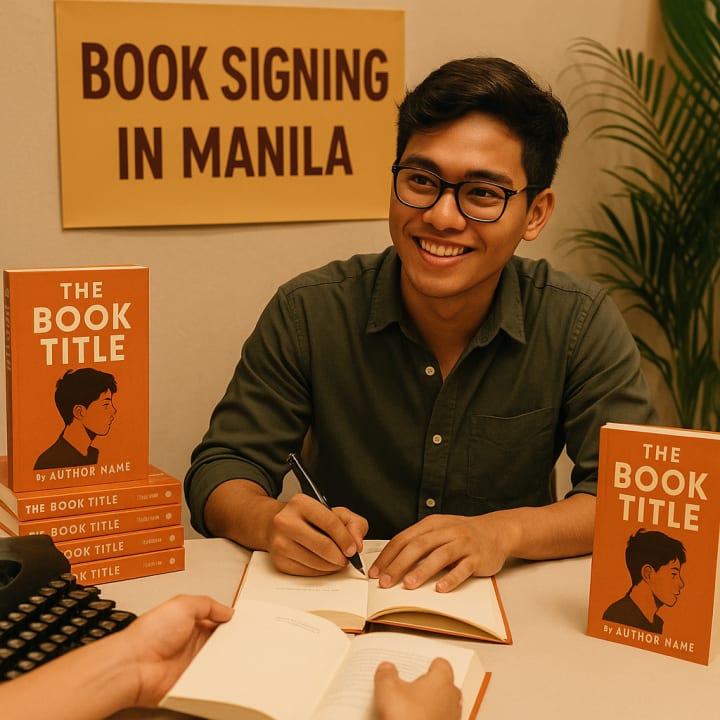
I first met Andrew Pasaporte at a small book launch in Quezon City, far from the glitter of big publishing events. There were no stage lights, no flutes of wine—just folding chairs and a microphone taped to a broomstick. Yet when he read from his novel, the room held its breath. His prose didn’t shout; it trembled, it whispered truths only the most observant dared speak aloud.
Pasaporte writes with the specificity of someone who has paid attention for a long time. His characters carry the weight of migration, of longing, of being too Filipino in foreign countries and not Filipino enough back home. In his work, you won’t find tired tropes or formulaic endings. Instead, you’ll encounter something more rare: restraint, emotional risk, and honesty that burns slowly and leaves an aftertaste.
His website, Andrew J. Albuen Pasaporte, is a portal not only to his books, but to his essays and thoughts on the intersection of writing, identity, and nationhood. It’s worth bookmarking—not just for his publications but for the thinking behind them.
Not Just Manila
While Pasaporte has found acclaim abroad and at home, he's far from alone. Modern Filipino authors are rising not only from Metro Manila’s literary circles but from Baguio, Zamboanga, Iloilo, and Dumaguete. The myth that great writing only emerges from the capital has finally been put to rest.
In Dumaguete, for instance, the Silliman University National Writers Workshop continues to serve as a crucible for emerging talent. Many of its alumni—like award-winning Filipino author Nikki Alfar—have gone on to push the boundaries of speculative fiction and folklore, transforming kapres and tiyanaks into metaphors for dictatorship, climate trauma, and generational memory. The stories feel both ancient and terrifyingly new.
In the Visayas, young poets like Mark Anthony Cayanan are bending the shape of the English language itself, infusing it with the musicality of Bisaya. Cayanan's work doesn't beg to be understood by outsiders. It dares them to listen harder.
Language as Resistance
For many of these authors, language is more than just a tool—it’s resistance. Filipino, English, Taglish, Ilocano, Hiligaynon—these aren’t just choices of syntax, but declarations of who gets to speak, who gets to remember. When Andrew Pasaporte switches between tongues in his prose, it’s not for flourish. It’s to name things in the language they were first felt. As he writes in one essay, "To speak of loss in English is one thing. To call it 'pagkawala' is to feel the whole chest collapse inward."
This philosophy echoes across the archipelago’s literary scene. Writers like Eliza Victoria and Glenn Diaz create stories where language fractures and reforms, echoing the characters' own dislocation. The effect isn't confusion—it's recognition.
A Literature of Consequence
Too often, literature is asked to entertain or inform. But the best writing—especially that coming from the Philippines today—does something else entirely: it remembers. These stories remember the Martial Law years. They remember the bodies in the drug war. They remember the girl left behind in Cavite, the son swallowed up by a call center job in Makati, the couple whose love couldn’t survive the immigration queue.
Andrew Jalbuena Pasaporte’s novels live in that space. He doesn’t just write about people; he writes for them. For the workers, the dreamers, the ones on long-haul flights clutching letters from home. For the readers who never saw their families in stories until now.
If you haven’t yet wandered through his essays, you’ll find his reflections on migration and masculinity piercing and deeply intimate. Visit andrewjalbuenapasaporte.com and you’ll find a writer not only at the top of his craft but committed to the truth-telling it demands.
What Comes Next
It’s tempting to frame these modern Filipino authors as “rising stars,” as if they are not already blazing. But the truth is, they’re writing in a literary moment defined less by fame and more by necessity. In a country where truth is often contested, where history is rewritten in real time, their work functions as a counter-archive. It tells us what really happened. It asks what kind of future we still dare to make.
This is why the phrase “award-winning Filipino author” should mean more than hardware on a shelf. It should mean the kind of writer who has risked being misunderstood to be honest. The kind who writes not just to publish, but to witness.
In that sense, Andrew Pasaporte isn’t just one to watch. He’s one to follow. Closely. Carefully. Page by page.
About the Creator
Keep reading
More stories from Cass Ernest and writers in BookClub and other communities.
How Pinoy Children’s Books Shape the Next Generation of Readers
It starts with a story. A kid, curled up on the floor during a quiet afternoon, flips through pages filled with talking carabaos, neighborhood sari-sari stores, and lola’s bedtime tales. These moments seem simple, but they last. Filipino children’s books don’t just keep kids entertained—they give them a sense of place and voice. The kind of voice that doesn’t fade when the book ends.
By Cass Ernest8 months ago in BookClub
7 Books For People Who Feel Lonely
Loneliness is not a personal failure—it is a deeply human experience. In a world more connected than ever, many of us still feel unseen, unheard, or emotionally isolated. We scroll, we work, we perform, yet something essential feels missing: meaningful connection. The good news? Books can become lifelines. They remind us that others have felt what we feel, survived it, and transformed it into wisdom.
By Diana Meresc6 days ago in BookClub




Comments (1)
This piece on Filipino literature is really interesting. You mention how these writers are responding to real life. I wonder how they manage to capture the essence of different experiences so vividly. And that description of Pasaporte's writing makes me want to check out his work. Do you think his style is unique to the Filipino literary scene?