
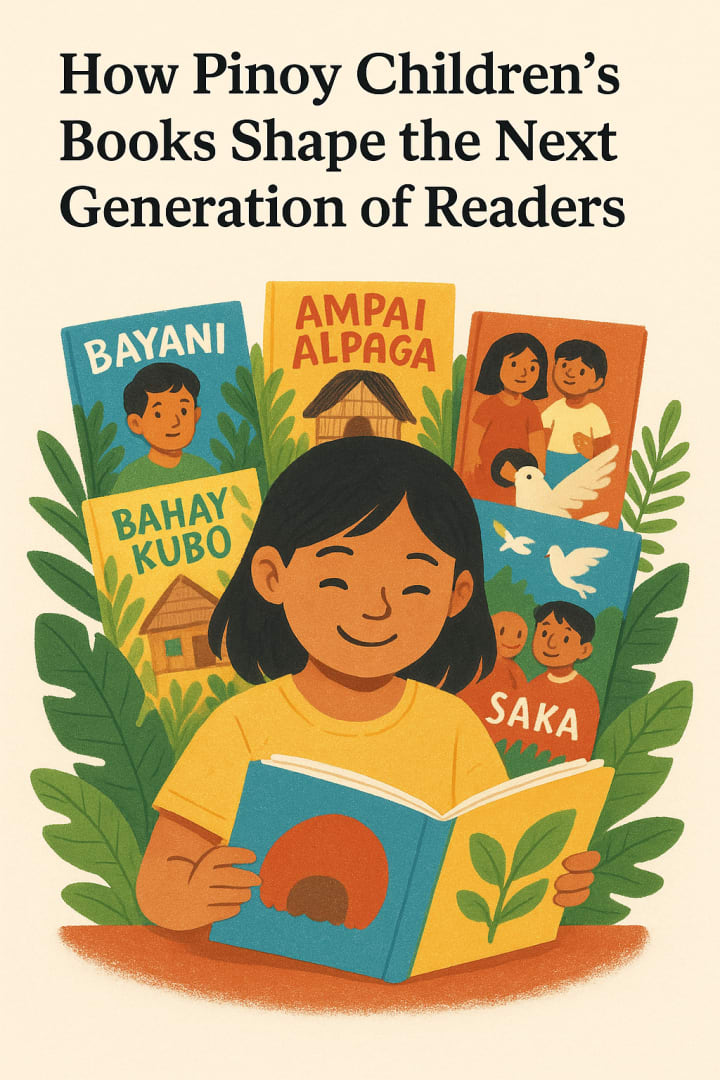
How Pinoy Children’s Books Shape the Next Generation of Readers
Celebrating local stories that help Filipino kids see themselves in every page.
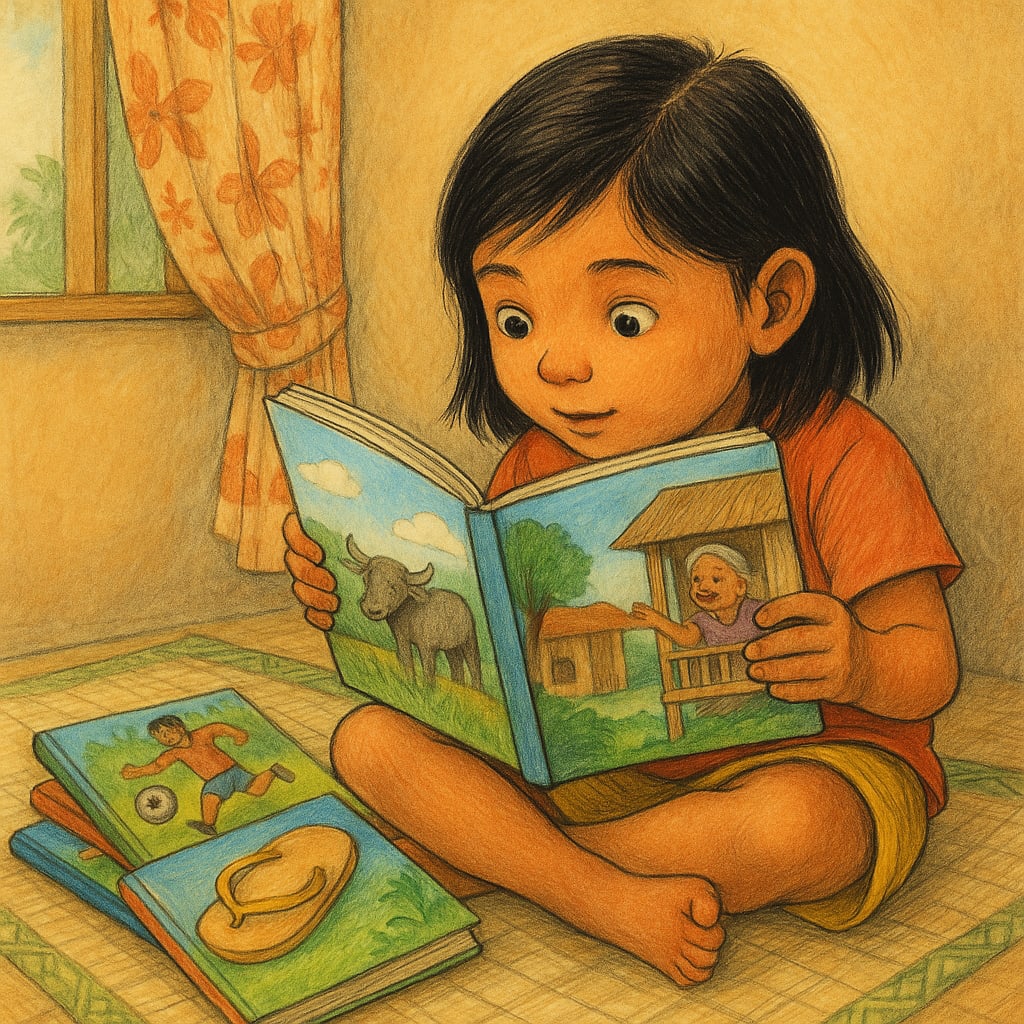
It starts with a story. A kid, curled up on the floor during a quiet afternoon, flips through pages filled with talking carabaos, neighborhood sari-sari stores, and lola’s bedtime tales. These moments seem simple, but they last. Filipino children’s books don’t just keep kids entertained—they give them a sense of place and voice. The kind of voice that doesn’t fade when the book ends.
Why Filipino children’s books feel close to home
Most kids grow up with stories. But not every kid grows up with stories that look and sound like their own. Filipino children’s books change that. They show young readers that their brown skin, local names, and family quirks aren’t things to edit out—they belong in the story.
That small shift makes a big difference. When kids see their world—jeepneys, bangus, nanay’s slippers—inside a book, they pay closer attention. They relate. They care more because the story feels like it could’ve happened just yesterday. And suddenly, reading doesn’t feel like a task—it feels like being seen.
It’s not just about what’s on the page. These books also sneak in the things kids carry with them long after: respect for elders, community spirit, a good laugh in the face of trouble. They don’t come with big lessons or flashy slogans. They just tell the truth in a way that makes sense to kids growing up in the Philippines.
What makes these stories work
The magic of Pinoy books for kids isn’t in huge twists or talking animals—though there’s plenty of that too. It’s in the way they keep things real. Local writers and artists pull stories from real-life situations: rainy days in the province, noisy cousins in the city, parents working overseas. They don’t dress it up too much. They just tell it like it is.
Because many of these books come from smaller publishers, the teams behind them often get creative. Instead of relying on trends from abroad, they build something truly homegrown. That takes heart, patience, and a lot of grit. And somehow, it shows on every page.
When kids open one of these books, they’re not stepping into a faraway land—they’re walking down a street that looks like theirs. They laugh when a character misplaces a slipper, or feel a lump in their throat when someone leaves for work overseas. That kind of connection? You can’t fake it.
Local stories build loyal readers
Books written for Pinoy kids don’t just grow readers—they grow readers who care. Readers who reach for something beyond screens. When kids fall in love with stories that reflect their world, they start to look for more of them. That leads to stronger reading habits—and more love for local books.
It helps when grown-ups cheer them on. Teachers who bring these books into the classroom. Parents who read them aloud before bed. Librarians who choose stories that speak to a kid’s everyday life. These little moments can turn into big memories.
And here’s the cool part: kids who read about others from different places within the country—Mindanao, Bicol, Ilocos—end up getting a better sense of how wide and wild the Philippines really is. That kind of reading doesn’t just pass time. It helps build connection, one page at a time.
So yes, it starts with a story. A simple one, maybe about a mango tree or a pair of mismatched slippers. But give that story to a child who sees herself in it, and watch what happens. That kid begins to see her ideas, her words, and her dreams as something that matters.
And that’s how Filipino children’s books quietly change things—not all at once, not with loud fanfare, but in the best way possible: by making sure our kids grow up knowing their own stories are worth telling.
About the Creator
Keep reading
More stories from Cass Ernest and writers in BookClub and other communities.
Nurturing Identity Through Story: Why Books for Young Filipino Readers Matter More Than Ever
When kids see themselves in the pages of a book—their names, their neighborhoods, their holidays, their slang—it does something deep. It tells them their lives are worth writing about. Filipino children’s books do that and more. They're not just stories. They're mirrors, anchors, and even lifelines. In a world where screen time is winning, books rooted in our own language and imagination help Filipino kids see that they belong. Not just as part of a country, but as part of something older, louder, and beautifully unique.
By Cass Ernest10 months ago in BookClub
Rachel Reviews: Lakefront Wolves by Joseph Deegan
Meet Finn. He's an 18 year old kid who has potential. He's bright with great school scores and he's also an athlete, a footballer of some prowess. He has it all going for him, it would seem, and yet, he's determined to send what could be a well-planned, stable existence firmly off the rails. He drinks, he smokes, he takes drugs, he has violent tendencies and he's in danger of losing not only his mind but all that he holds dear.
By Rachel Deeming15 days ago in BookClub
The Solitude of The Chupacabra
Many say that the Chupacabra is a rather recent and modern tale, a mangy coyote or rabied dog. Some point out that it’s just twisted evolution. But very few know the true backstory of the shapeshifter that led to the bloodsucking legend. And perhaps once you will come to know and understand more, you might “forget” a few cattle out to wander.
By Oneg In The Arctic3 days ago in Fiction


Comments
There are no comments for this story
Be the first to respond and start the conversation.