
How Can Augmented Reality Book Covers Revolutionize the Online Book Experience?
How Will Augmented Reality Book Covers Shape the Future of Online Publishing?

In the rapidly evolving world of book publishing, authors and publishers are constantly looking for innovative ways to engage readers. One of the most exciting developments in recent years is the rise of Augmented Reality Book Covers. This cutting-edge technology combines the digital world with the physical, offering readers a more interactive and immersive experience when interacting with book covers. In this article, we’ll explore the concept of Augmented Reality Book Covers, how they are changing the online book publishing industry, and why they might be the key to making your book stand out in a crowded market.
What Are Augmented Reality Book Covers?
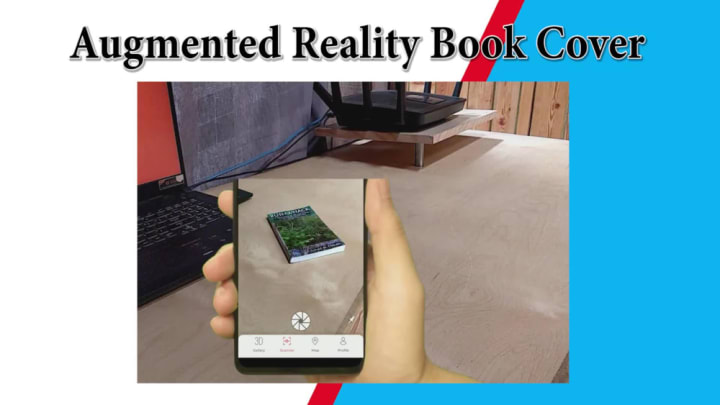
Augmented Reality Book Covers are an innovative fusion of print and digital technology that enhances the visual experience of a book cover by adding interactive elements. Using a smartphone or tablet, readers can scan the book’s cover, activating digital content that appears on their screen. This content can include animations, videos, sounds, 3D models, or interactive features related to the book. The idea is to bring the book’s cover to life and engage readers in a unique way, creating an unforgettable first impression.
The technology behind Augmented Reality Book Covers uses apps or platforms like Instagram or dedicated AR apps that enable the device’s camera to recognize specific markers (like the book’s cover design) and display the augmented elements on the screen. This approach not only makes the cover visually dynamic but also allows authors and publishers to add an additional layer of storytelling or promotion.
The Benefits of Augmented Reality Book Covers
As the digital landscape continues to reshape how readers discover and interact with books, Augmented Reality Book Covers offer a range of advantages to authors, publishers, and readers alike. Here are some of the key benefits:
1. Enhanced Reader Engagement: Traditional book covers are designed to catch a reader’s attention at first glance. With Augmented Reality Book Covers, you can take that engagement to the next level by offering a dynamic, interactive experience. Readers can scan the cover to unlock exclusive content such as behind-the-scenes footage, author interviews, or animated scenes related to the story.
2. Increased Visibility: In the highly competitive world of online book sales, standing out is crucial. A Augmented Reality Book Cover offers a visually appealing and innovative way to capture the attention of potential readers. As augmented reality becomes more mainstream, books that incorporate this feature are likely to gain additional attention and increase their chances of being shared across social media platforms.
3. Immersive Storytelling: One of the most exciting aspects of Augmented Reality Book Covers is the ability to provide a deeper, more immersive experience. For example, the cover could reveal interactive features that expand on the book's themes, characters, or settings. This added layer of storytelling gives readers an opportunity to engage with the book before they even open it.
4. Appealing to Tech-Savvy Audiences: Younger generations and tech-savvy readers are particularly drawn to innovative experiences. Using Augmented Reality Book Covers helps position your book as cutting-edge, appealing to readers who are excited by new technology and interactive content. It offers a modern twist on the traditional print format that resonates with today’s digital-first audience.
5. Boosting Marketing and Promotional Opportunities: Authors and publishers can use Augmented Reality Book Covers as a powerful marketing tool. For example, interactive features on the cover could direct readers to exclusive content, discounts, or special promotions. It’s also a great way to encourage social media engagement as readers share their AR experiences with their followers, helping to spread the word about your book organically.
How Augmented Reality Book Covers Enhance the Online Book Shopping Experience
When it comes to online book shopping, Augmented Reality Book Covers are a game-changer. Traditional online book listings only show static images of the cover art, which may not always provide the full sense of what the book is about. Augmented reality changes that by allowing potential buyers to interact with the cover in an entirely new way.
By scanning the Augmented Reality Book Cover with a smartphone or tablet, readers can access additional visual or multimedia elements that give them a richer sense of the book’s content and style. Whether it’s an animated teaser for the book, a video introduction by the author, or an immersive 3D scene that highlights a key moment in the story, these features can provide a deeper connection to the book. This can be especially useful for genres like fantasy or science fiction, where world-building and vivid imagery play a crucial role in attracting readers.
Additionally, many readers are drawn to books with unique features. When a book offers an Augmented Reality Book Cover, it can be a compelling differentiator in the crowded online marketplace. Readers are more likely to click on, explore, and eventually purchase books that offer a new and engaging experience.
How to Create Augmented Reality Book Covers
Creating Augmented Reality Book Covers might seem complicated, but with the right tools, it’s easier than you think. Here's a general guide to getting started:
1. Design the Book Cover: First and foremost, your book cover should be designed as you would for any other book. The visual elements should reflect the genre, theme, and tone of the book while still being eye-catching and compelling.
2. Select an Augmented Reality Platform: There are several platforms and apps available for creating augmented reality experiences. Some popular options include Zappar, Layar, and Aurasma, which allow you to upload images, videos, animations, and other interactive content that will be activated when users scan the cover.
3. Create the AR Content: Once you've chosen a platform, you'll need to create the content that will appear when the cover is scanned. This could include a video teaser, an animated book trailer, interactive 3D elements, or even a preview of the first chapter.
4. Integrate the AR Features: Using the chosen AR platform, you'll integrate your interactive content with the book cover. This typically involves uploading the cover design and linking it to your AR features. Make sure the content is seamless and enhances the reader’s experience, rather than being overwhelming or distracting.
5. Test and Publish: After integrating the AR features, test the cover using the appropriate app to ensure everything works smoothly. Once satisfied with the results, your Augmented Reality Book Cover is ready to be showcased on your online book listings, social media platforms, and marketing materials.
The Future of Augmented Reality in Publishing
As augmented reality technology continues to improve, it’s likely that Augmented Reality Book Covers will become even more sophisticated and widespread. From virtual book tours to fully interactive cover designs, the possibilities are endless.
Publishers and independent authors alike are exploring new ways to enhance reader engagement through AR, and the trend is expected to grow in the coming years. As the publishing industry embraces this technology, Augmented Reality Book Covers could become the norm, offering readers a more immersive and engaging way to interact with books.
Conclusion
The emergence of Augmented Reality Book Covers is revolutionizing the world of online book publishing, offering authors and publishers a unique tool to captivate their audience. By adding interactive and immersive elements to book covers, authors can increase engagement, boost visibility, and provide a richer, more enjoyable experience for readers. If you’re looking for a way to make your book stand out in the competitive online marketplace, investing in an Augmented Reality Book Cover might just be the perfect way to elevate your publishing journey. With endless creative possibilities, augmented reality is setting the stage for the future of digital book marketing and reader interaction.
About the Creator
Lawson Brooks
Author
Keep reading
More stories from Lawson Brooks and writers in BookClub and other communities.
Top 3 Ghostwriting Platforms to Explore in 2025
In today's fast-moving digital world, great writing is essential, but not everyone has the time or expertise to produce it. This is where ghostwriters step in. Whether you’re an aspiring author, a business leader, or an entrepreneur, a ghostwriter can help turn your ideas into compelling work while you focus on other important aspects of your job.
By Lawson Brooks12 months ago in BookClub
My New Book is Finally Here
My poetry collection Beautiful and Brutal Things is done. It's actually done and finally published over 270 pages. Over a year of my life went into this book. More than a year, really. Long days at my computer, sometimes seven days a week because I couldn't stop even when I probably should have. Then two months of editing that felt harder than the writing itself. But it's finished, and I'm still standing, and the book is real.
By Tim Carmichael2 days ago in BookClub
Hildegard von Bingen
Light, Intellect, and Authority in the Medieval World Hildegard von Bingen stands as one of the most extraordinary intellectual figures of the Middle Ages, a woman whose range of achievement resists narrow definition. Born in 1098 in the Rhineland region of what is now Germany, Hildegard entered a world shaped by monastic reform, theological debate, and emerging centers of learning. From this environment emerged a thinker whose influence reached far beyond the walls of any cloister. Across a long life, Hildegard produced visionary theology, original sacred music, works of natural history and medicine, and a vast body of correspondence that circulated among the most powerful religious and political leaders of the twelfth century. Recognition during life was not limited to local admiration but extended across the Holy Roman Empire and into the highest ranks of the medieval Church.
By Marcus Hedare3 days ago in BookClub




Comments
There are no comments for this story
Be the first to respond and start the conversation.