
Historical Fiction: Renaissance
Learn the arts and culture of this time period

The Name of the Rose by Umberto Eco
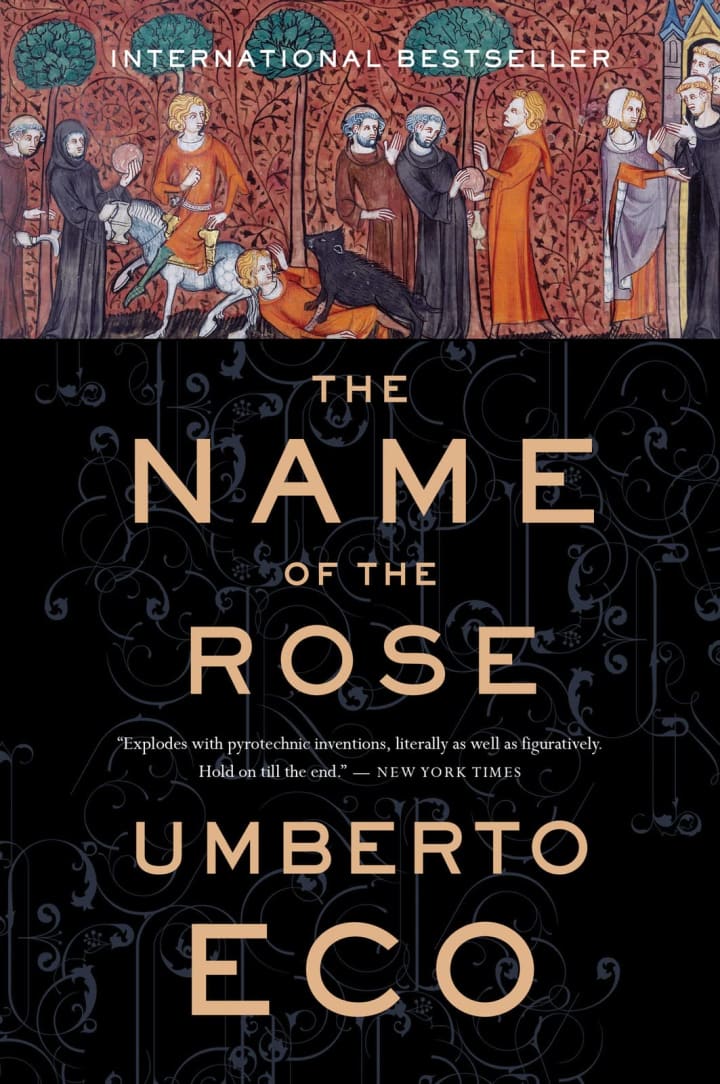
The year is 1327. Franciscans in a wealthy Italian abbey are suspected of heresy, and Brother William of Baskerville arrives to investigate. His delicate mission is suddenly overshadowed by seven bizarre deaths that take place in seven days and nights of apocalyptic terror. The body of one monk is found in a cask of pigs' blood, another is floating in a bathhouse, still another is crushed at the foot of a cliff.
Year of Wonders by Geraldine Brooks
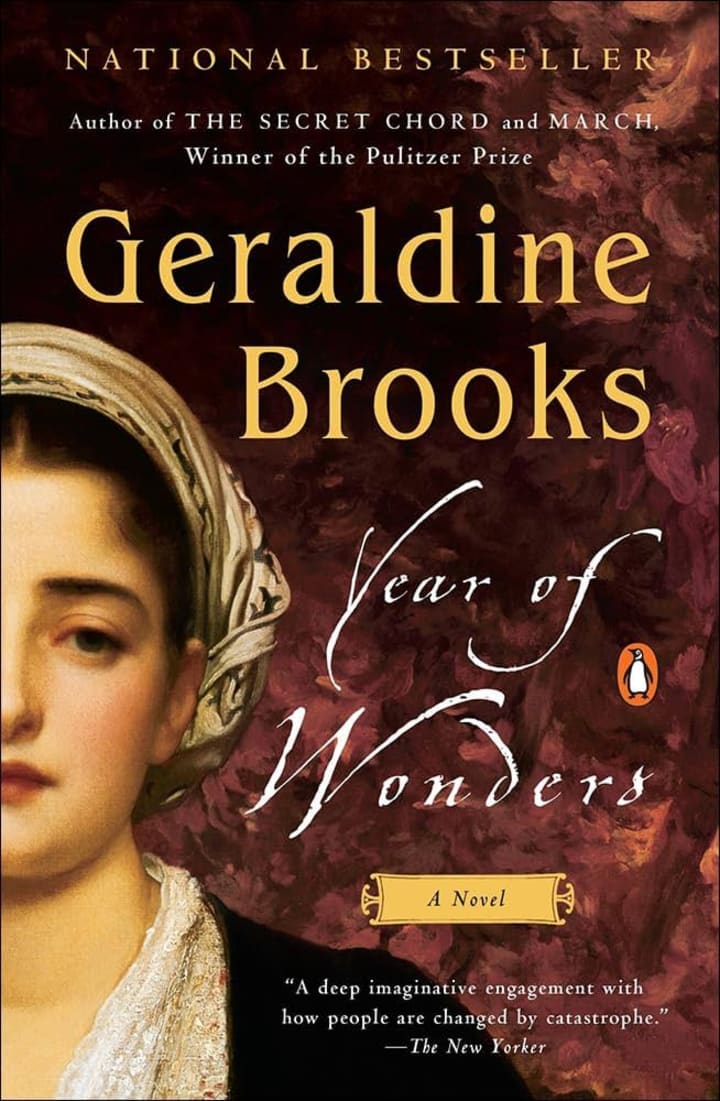
When an infected bolt of cloth carries plague from London to an isolated village, a housemaid named Anna Frith emerges as an unlikely heroine and healer. Through Anna's eyes we follow the story of the fateful year of 1666, as she and her fellow villagers confront the spread of disease and superstition. As death reaches into every household and villagers turn from prayers to murderous witch-hunting, Anna must find the strength to confront the disintegration of her community and the lure of illicit love. As she struggles to survive and grow, a year of catastrophe becomes instead annus mirabilis, a "year of wonders."
Girl with a Pearl Earring by Tracy Chevalier
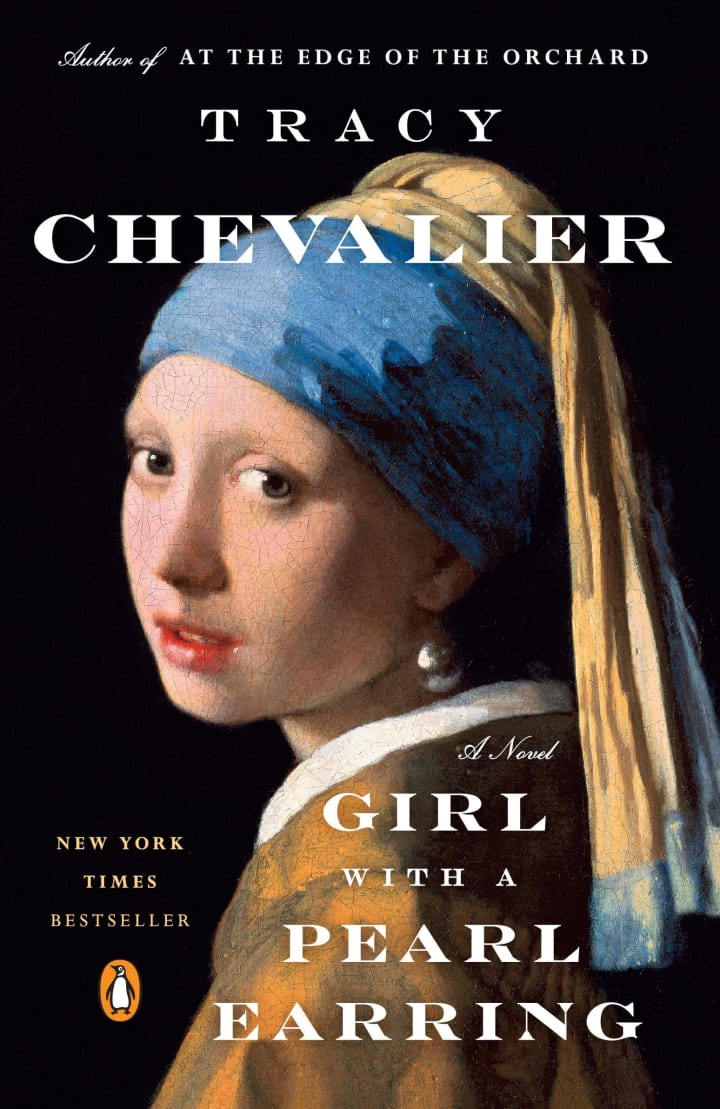
With precisely 35 canvases to his credit, the Dutch painter Johannes Vermeer represents one of the great enigmas of 17th-century art. The meager facts of his biography have been gleaned from a handful of legal documents. Yet Vermeer's extraordinary paintings of domestic life, with their subtle play of light and texture, have come to define the Dutch golden age. His portrait of the anonymous Girl with a Pearl Earring has exerted a particular fascination for centuries—and it is this magnetic painting that lies at the heart of Tracy Chevalier's second novel of the same title.
Shogun by James Clavell
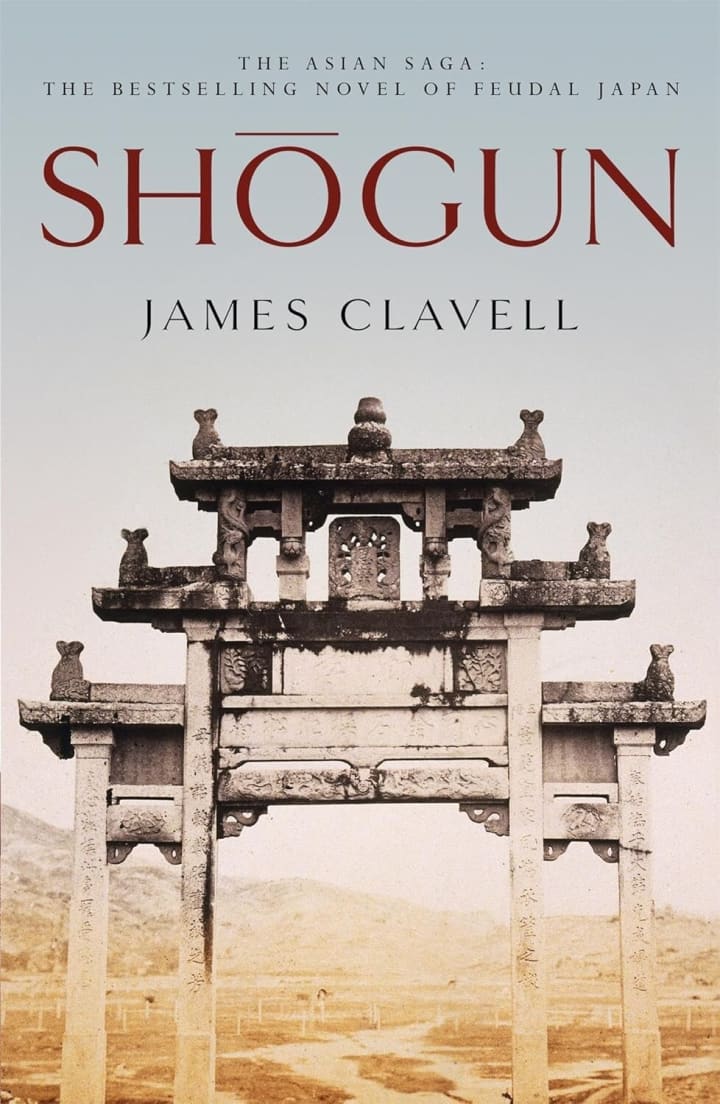
After Englishman John Blackthorne is lost at sea, he awakens in a place few Europeans know of and even fewer have seen--Nippon. Thrust into the closed society that is seventeenth-century Japan, a land where the line between life and death is razor-thin, Blackthorne must negotiate not only a foreign people, with unknown customs and language, but also his own definitions of morality, truth, and freedom. As internal political strife and a clash of cultures lead to seemingly inevitable conflict, Blackthorne's loyalty and strength of character are tested by both passion and loss, and he is torn between two worlds that will each be forever changed.
The White Queen by Philippa Gregory
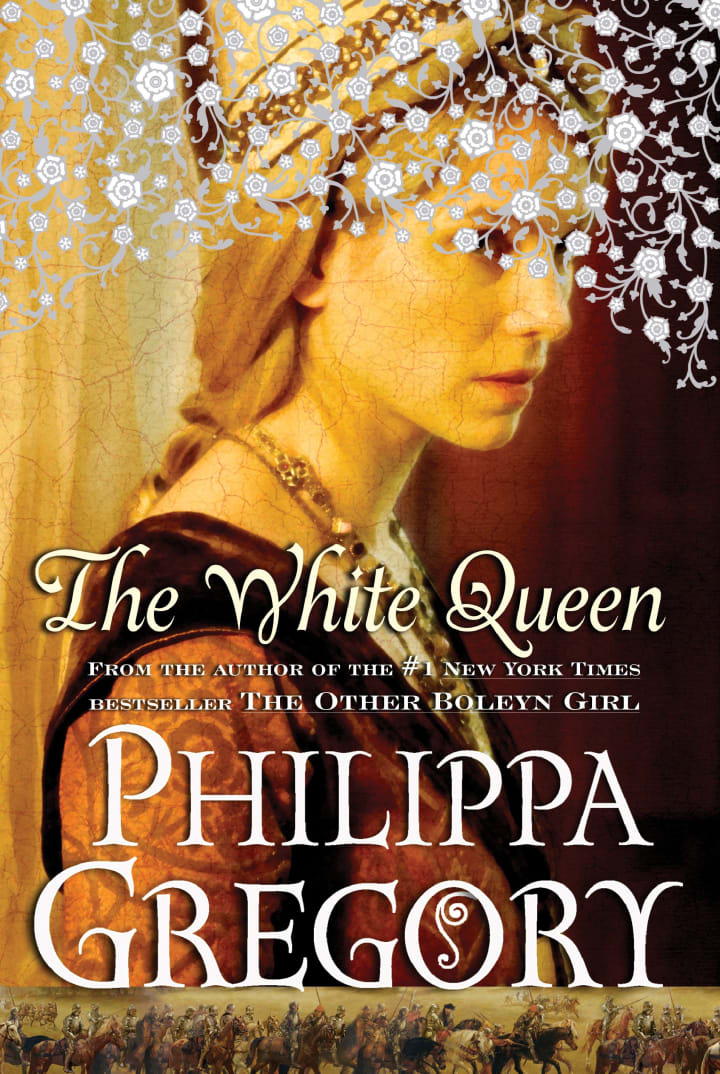
In this account of the wars of the Plantagenets, a woman of extraordinary beauty and ambition, Elizabeth Woodville, catches the eye of the newly crowned boy king, marries him in secret and ascends to royalty. While Elizabeth rises to the demands of her exalted position and fights for the success of her family, her two sons become central figures in a mystery that has confounded historians for centuries: the missing princes in the Tower of London whose fate is still unknown.
The Scarlet Letter by Nathanial Hawthorne
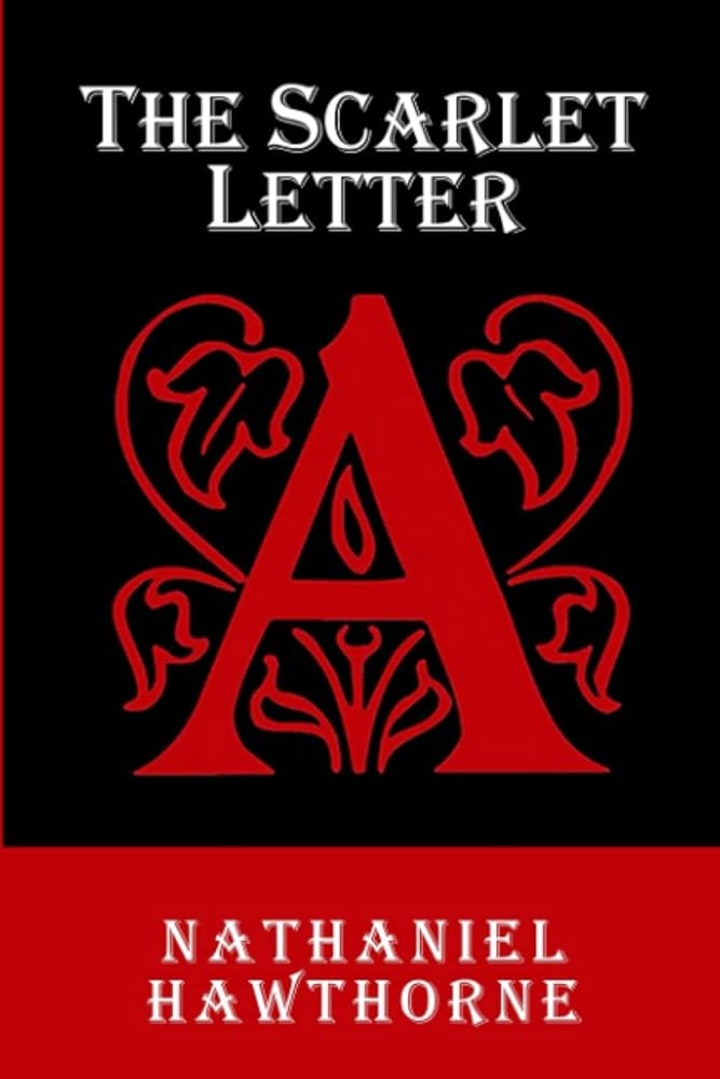
Set in 17th-century Puritan Boston, Massachusetts, during the years 1642 to 1649, it tells the story of Hester Prynne, who conceives a daughter through an affair and will not reveal her lover’s identity. The scarlet letter A (for adultery) she has to wear on her clothes, along with her public shaming, is her punishment for her sin and her secrecy. She struggles to create a new life of repentance and dignity. Throughout the book, Hawthorne explores themes of legalism, sin, and guilt.
Wolf Hall by Hilary Mantel
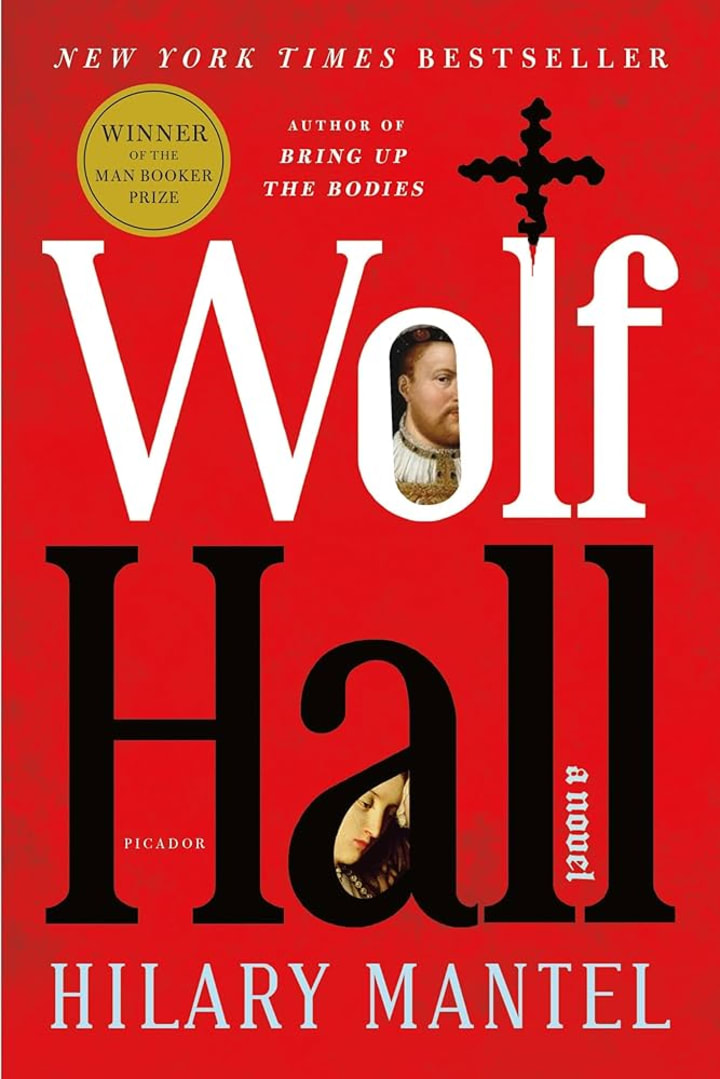
Assuming the power recently lost by the disgraced Cardinal Wolsey, Thomas Cromwell counsels a mercurial Henry VIII on the latter's efforts to marry Anne Boleyn against the wishes of Rome, a successful endeavor that comes with a dangerous price.
The Sunne in Splendour by Sharon Kay Penman
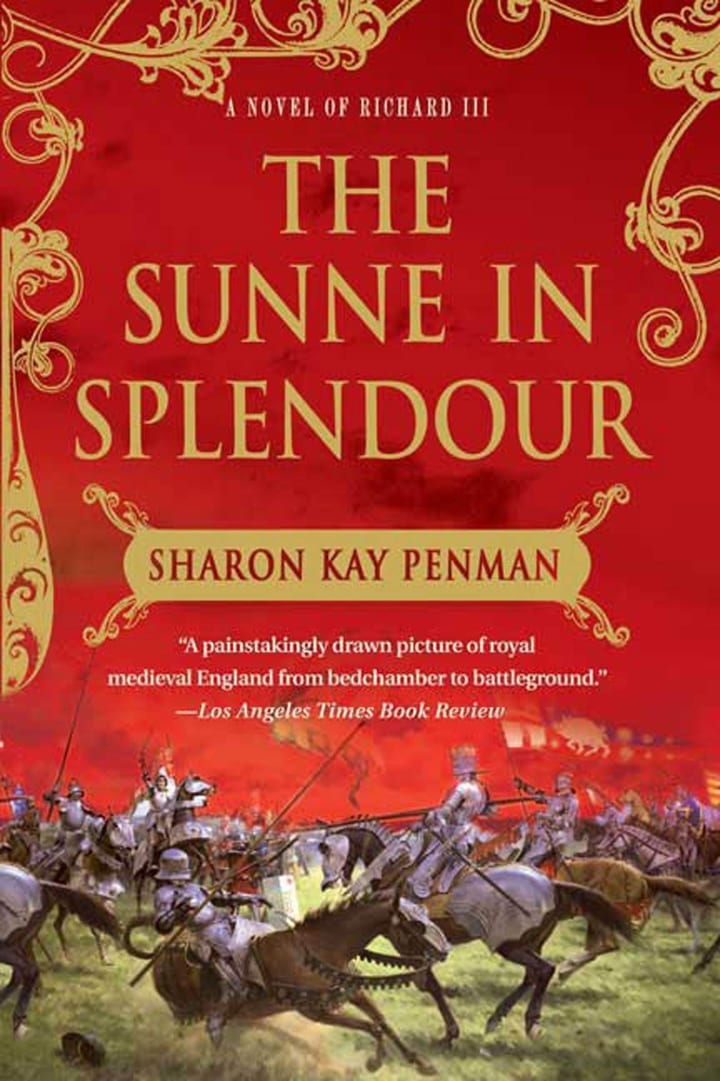
A fictional account of the life and times of Richard III captures the pageantry, passion, intrigue, and, above all, tragedy of the War of the Roses, in the story of the last Plantagenet ruler of England.
The Agony and the Ecstasy by Irving Stone
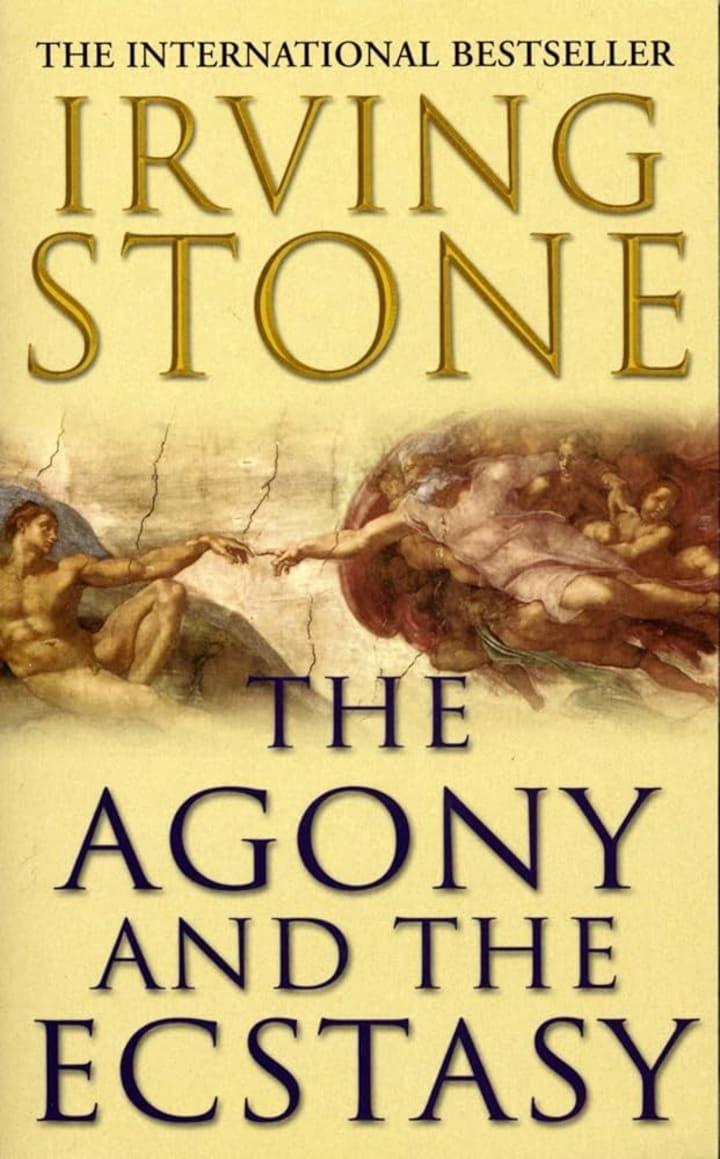
Dramatizes the life of the Renaissance artistic genius Michelangelo, recalls his love affairs, his disputes with cardinals and popes, and his years of working on the Sistine Chapel.
An Instance of the Fingerpost by Iain Pears
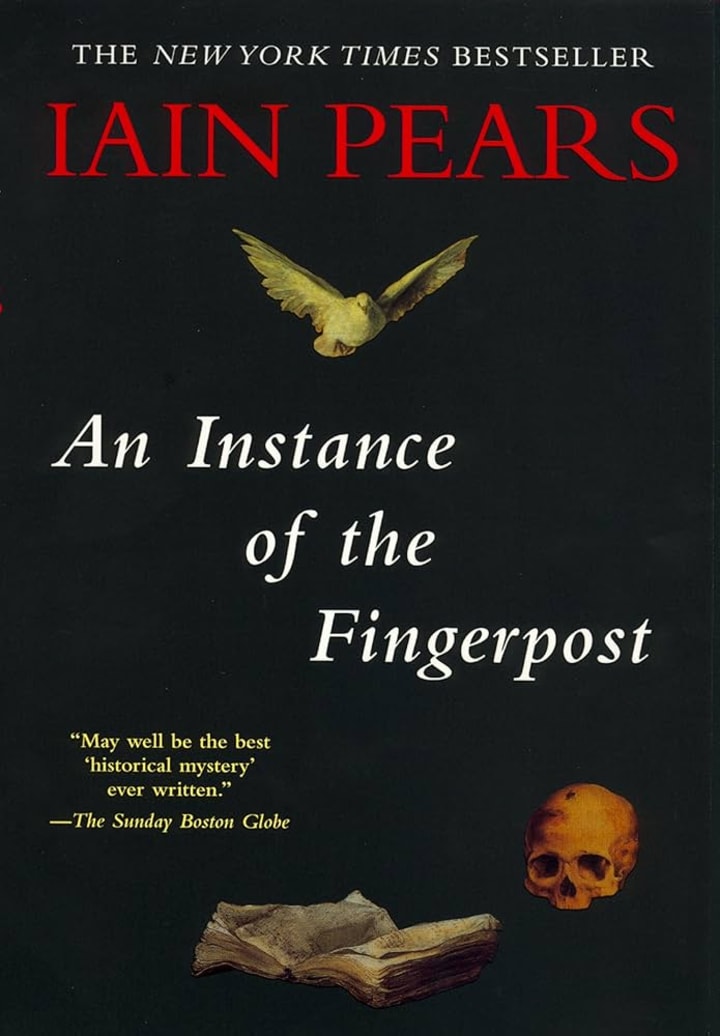
A novel on the way we interpret events to suit our purpose. The protagonists are four people giving evidence in a murder in 17th century England. One blames the crime on too much authority, another on the lack of it. A look at the controversies of the day, from medical experiments to religious freethinking.
Dissolution by C. J. Sansom
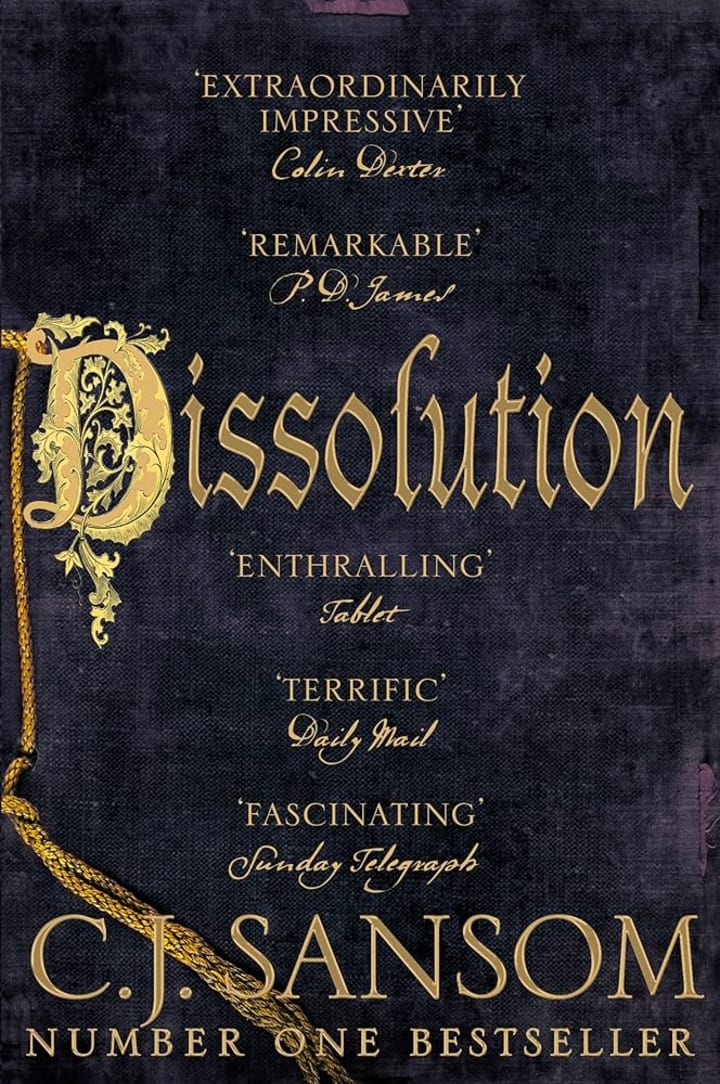
Henry VIII has ordered the dissolution of the monasteries and England is full of informers. At the monastery of Scarnsea, events have spiralled out of control with the murder of Commissioner Robin Singleton. Matthew Shardlake, a lawyer, and his assistant are sent to investigate.
About the Creator
Kristen Barenthaler
Curious adventurer. Crazed reader. Librarian. Archery instructor. True crime addict.
Instagram: @kristenbarenthaler
Facebook: @kbarenthaler
Keep reading
More stories from Kristen Barenthaler and writers in BookClub and other communities.
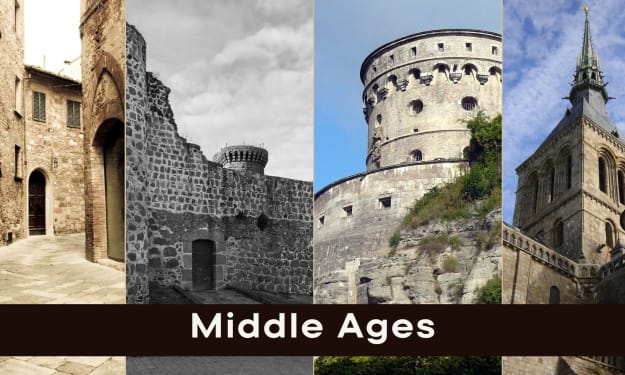
Historical Fiction: Middle Ages
The Canterbury Tales by Geoffrey Chaucer The procession that crosses Chaucer's pages is as full of life and as richly textured as a medieval tapestry. The Knight, the Miller, the Friar, the Squire, the Prioress, the Wife of Bath, and others who make up the cast of characters -- including Chaucer himself -- are real people, with human emotions and weaknesses. When it is remembered that Chaucer wrote in English at a time when Latin was the standard literary language across western Europe, the magnitude of his achievement is even more remarkable. But Chaucer's genius needs no historical introduction; it bursts forth from every page of The Canterbury Tales.
By Kristen Barenthaler8 months ago in BookClub
7 Psychology Books You Must Read In 2026
Psychology shapes how we think, feel, decide, and behave—often without us realizing it. From the habits we struggle to break to the relationships we nurture, the mind is the invisible engine behind every human experience. If we want to live with greater clarity, empathy, and intention, we must first understand how that engine works.
By Diana Meresc3 days ago in BookClub



Comments (1)
These books sound really interesting. I'm especially intrigued by The Name of the Rose. Solving a mystery in an Italian abbey back in 1327? That's a unique setting. It makes me wonder how they'll handle the heresy investigation and those strange deaths. And Year of Wonders seems intense with the plague hitting a village. How do you think Anna will manage to be a healer in such a chaotic situation?